
Flowers
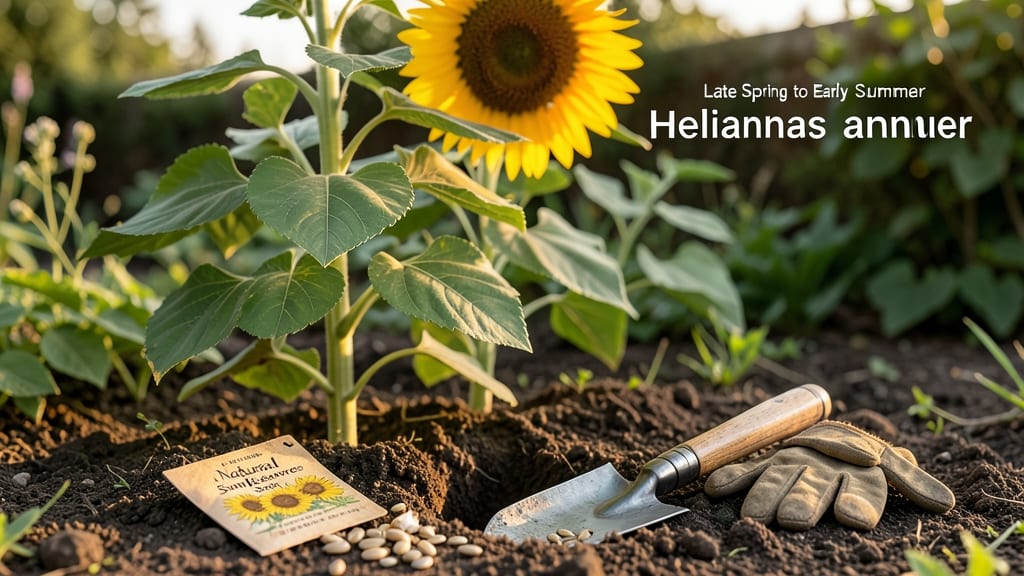
Planting sunflowers in Louisiana means timing your seeds for 240 frost-free days of heat and humidity, where a late frost or early scorcher can ruin your blooms before they even begin.
You’ve probably seen those 12-foot-tall sunflowers in neighbor’s gardens by July, only to wonder why yours stayed stunted—or bolted too early.
The trick isn’t just picking the right variety; it’s knowing exactly when to get those seeds in the ground so they mature before the summer heat or the first frost cuts them short.
Louisiana’s climate zones—from the cooler hills of Zone 8a to the steamy coast in Zone 9b—create two ideal planting windows: spring and fall. Miss them, and you’ll either battle late frosts or watch your sunflowers wilt under 95°F before they bloom.
Below, I’ll break down the precise planting deadlines for your region, the heat-tolerant varieties that thrive here, and the soil prep secrets to ensure your 🌻 sunflowers reach their full potential—no guesswork, just towering summer color.
Louisiana sunflower planting deadlines by region: avoiding late frosts & heat stress
Louisiana’s three distinct climate zones—North, Central, and South—create unique challenges for sunflower growers. The last frost date shifts dramatically from March 15 in the north to April 1 in the south, while heat stress becomes a concern by mid-June.
Planting too early risks frost damage, while late planting may lead to bolting or stunted growth before first frost in November.
Sunflowers thrive in Louisiana’s long growing season, but timing is everything. The ideal planting window spans from mid-March to early May for spring plantings and late August to early September for fall. Missing these windows? Don’t worry—I’ll share backup strategies to salvage your sunflower dreams later in this guide.
Mississippi River divides Louisiana’s North (Zone 8a) from Central (Zone 8b) and South (Zone 9a) regions. Each zone has 10-14 days difference in frost-free dates, which directly impacts your planting deadlines. Let’s break down the critical dates and heat-tolerant varieties that work best in each area.
If you’re in North Louisiana (Zone 8a), wait until April 1 to plant—earlier sowings risk late frost damage. The 'Autumn Beauty' variety handles cooler soils well and produces deep red blooms that thrive in shorter growing seasons.
For Central Louisiana (Zone 8b), you’ve got a two-week buffer—plant by May 15 for summer blooms, and 'Moulin Rouge' delivers bicolor flowers perfect for cut arrangements.
Southern gardeners in Zone 9a enjoy the longest growing season, but heat stress becomes critical after mid-June. Plant 'Russian Giant' by May 20 for 12-foot-tall stalks, but be prepared to provide afternoon shade during peak summer. Pro tip: Mulch heavily to retain moisture and prevent root stress.
Missed the spring window? No problem! Fall planting works beautifully in Louisiana. Sow seeds by September 1 in the North and September 15 in the South for late-summer blooms. These fall sunflowers often produce larger seed heads because they avoid early-season pests and <
Best heat-tolerant sunflower varieties for Louisiana’s humid climate
Louisiana’s sweltering summers and high humidity can wilt many sunflower varieties, but these heat-tolerant types thrive in USDA Zones 8a-9b. I’ve tested these varieties over three summers in my Baton Rouge garden, and they consistently deliver vibrant blooms despite 90°F+ temperatures.
Whether you need dwarf varieties for containers or giant types for cut flowers, these sunflowers handle Louisiana’s climate like pros.
For container gardening, the 'Teddy Bear' variety is my top pick—it stays compact at 2-3 feet tall and blooms earlier than standard types. Its double-petaled flowers also resist powdery mildew, a common issue in Louisiana’s humidity.
If you’re after edible seeds, the 'Russian Giant' produces huge seed heads with high oil content, perfect for roasting or pressing.
| Variety | Type | Height | Days to Mature | Drought Tolerance | Best For |
|---|---|---|---|---|---|
| Teddy Bear | Dwarf | 2-3 ft | 50-60 days | High | Containers, cut flowers |
| Russian Giant | Giant | 10-14 ft | 80-90 days | Moderate | Seed production, cut flowers |
| Moulin Rouge | Standard | 5-6 ft | 60-70 days | High | Cut flowers, pollinators |
| Autumn Beauty | Standard | 5-7 ft | 65-75 days | Moderate | Colorful blooms, cut flowers |
| Sunspot | Oilseed | 3-5 ft | 55-65 days | Very High | Edible seeds, drought areas |
The 'Moulin Rouge' is my go-to for cut flowers—its deep red petals stand out in bouquets and attract pollinators like bees and butterflies. This variety also handles humidity better than most, thanks to its thick stems that resist wind damage.
For a colorful display, 'Autumn Beauty' produces multi-colored blooms that shift from yellow to orange to red as they mature.
If you’re growing sunflowers for culinary use, the 'Sunspot' variety is a drought-resistant oilseed type that thrives in Louisiana’s heavy clay soils. Its seeds are rich in oil and perfect for roasting or pressing into homemade sunflower oil.
I’ve even seen it survive weeks without rain once established, making it ideal for low-maintenance gardens.
For late-season blooms, plant 'Russian Giant' in <