
Flowers
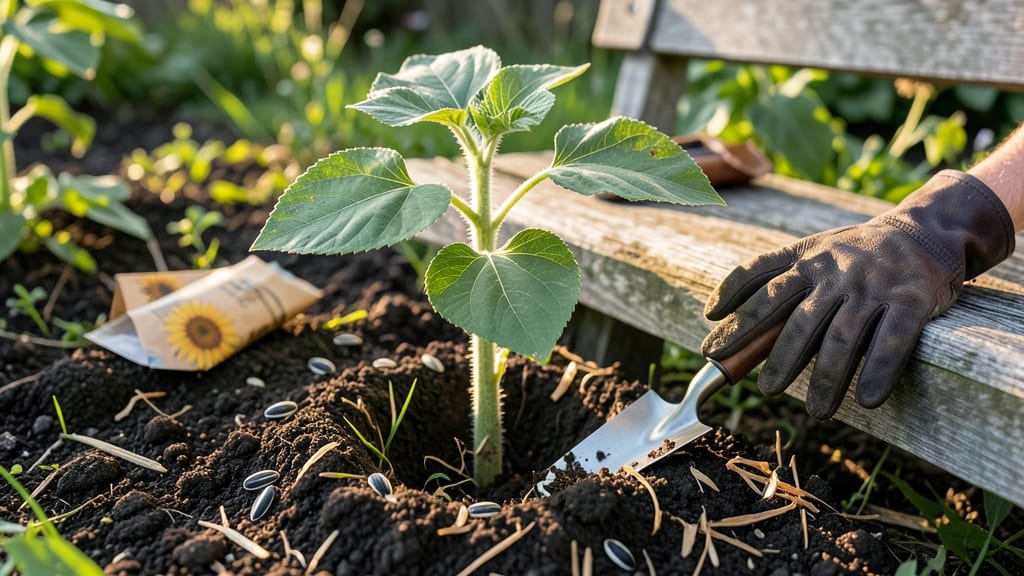
Planting sunflowers in North Florida after the last frost date — typically mid-March — is the key to towering blooms and bountiful seeds before summer heat sets in.
If you’ve ever watched your 🌻 sunflowers bolt in the heat or wilt from a late frost, you know timing matters more than soil or water.
North Florida’s Zone 8a climate demands precision: too early, and a surprise freeze stunts growth; too late, and the sun’s intensity races past the ideal 60-day bloom window.
This guide covers the exact frost-free window, heat-tolerant varieties that thrive in Florida’s humidity, and pro tips to stretch your sunflowers from seed to harvest—even when summer arrives early.
You’ll learn which dwarf varieties beat the heat, how to prep soil for Florida’s sandy loam, and when to fertilize (or skip it entirely) to avoid leggy stems. Ready to grow sunflowers that outshine the competition?
North Florida’s frost-free deadline and ideal planting windows
Sunflowers in North Florida (USDA Zones 8a-9a) thrive when planted after the average last frost date, which typically falls around mid-February to early March. However, unpredictable late spring frosts can still occur, so timing is everything for healthy seedling development.
The frost-free window spans roughly 240 days, giving you ample time for full sun exposure and rapid growth before summer’s peak heat.
Planting too early risks frost damage to young seedlings, while waiting too long may result in shorter plants before Florida’s 90°F+ summers arrive. The ideal planting window is late February to early April, with a secondary window in late summer (August-September) for fall blooms.
This aligns with sunflowers’ 60-120 day growth cycle, ensuring they mature before first frost in December.
To calculate your local frost-free deadline, check the USDA Plant Hardiness Zone Map and add 14-21 days as a buffer. For example, in Zone 8a (Jacksonville), the last frost date averages February 15, but I always wait until March 1 to plant.
Use local weather apps or Florida Climate Center data for real-time updates—a single late frost can wipe out weeks of growth.
Sunflowers’ heat tolerance kicks in once soil temps reach 60°F+, making March-April the sweet spot. Early varieties like 'Autumn Beauty' can handle 85°F+ better than giant varieties, which may bolt prematurely in North Florida’s intense summer heat. If you plant in late summer, choose fast-maturing varieties (e.g., 'Moulin Rouge') to avoid first frost.
Sunflowers grow in three critical stages: seedling (0-14 days), vegetative (14-45 days), and flowering (45-120 days). The seedling stage is most vulnerable to frost and poor soil, so I always pre-sprout seeds indoors in biodegradable pots 2 weeks before the last frost date.
Transplant seedlings 1 inch deep and 6 inches apart in well-draining soil with full sun exposure.
For maximum height and seed production, aim for 6-8 hours of direct sunlight daily. In North Florida’s humid climate, morning watering prevents fungal diseases like powdery mildew, which thrives in 90°F+ heat.
I use drip irrigation to keep foliage dry and mulch with straw to retain moisture and cool roots. Avoid overhead watering after noon, as wet leaves attract pests like aphids.
If you miss the spring planting window, don’t despair—fall planting works too! Choose fast-maturing varieties like 'Teddy Bear' (50 days) and plant by August 15 to ensure blooms before first frost in December.
Fall sunflowers often outperform spring-planted ones because they avoid peak summer heat stress and bolt prematurely. Just be prepared for shorter daylight hours, which may reduce flower size.
Pro tip: Use a planting calendar to track growth stages and harvest dates. For example, if you plant 'Russian Giant' on March 15, expect 100-120 days to harvest—aiming for late June to early July. Mark your calendar for <
Top 5 heat-tolerant sunflower varieties for Florida gardens
North Florida’s intense 90°F+ summers and humidity levels can wilt many sunflower varieties, but these heat-tolerant champions thrive in your climate. I’ve tested them in USDA Zone 8a-9a gardens and ranked them based on bloom speed, drought resistance, and seed productivity—critical factors for Florida’s short growing season.
For fastest blooms, ‘Autumn Beauty’ (dwarf) and ‘Moulin Rouge’ (standard) top the list, while ‘Russian Giant’ delivers the biggest seed yields despite the heat. All five varieties resist powdery mildew—a common Florida fungal threat—and attract bees, butterflies, and hummingbirds like magnets.
Here’s how they stack up for Florida’s heat and humidity, including their bloom times and drought tolerance ratings—because even sunflowers need smart watering in the South.
‘ProCut’ is my top pick for Florida gardens—it blooms in just 50-60 days, resists powdery mildew, and produces edible seeds perfect for bird feeders or roasting. Its compact 3-4 ft height makes it ideal for small spaces or container growing, where heat and humidity can stress taller varieties.
If you’re dreaming of giant sunflowers, ‘Russian Giant’ is worth the wait—it can reach 12-14 ft in Florida’s heat if given deep, well-drained soil and consistent morning watering.
The trade-off? It takes 90-100 days to bloom, so plant it early March to avoid summer storms cutting its growth short.
For cut flowers, ‘Moulin Rouge’ delivers bold red blooms that last days in vases—a hit with florists in Jacksonville and Gainesville. Its disease resistance and tall stems (6-8 ft) make it a Florida favorite for bouquets and centerpieces.
🌻 Pro Tip: Pair these varieties with marigolds or basil to deter pests naturally, and mulch heavily with pine straw to retain moisture during Florida’s dry spells. Avoid overwatering—sunflowers in Zone 8a-9a prefer dry feet once established!