
Flowers
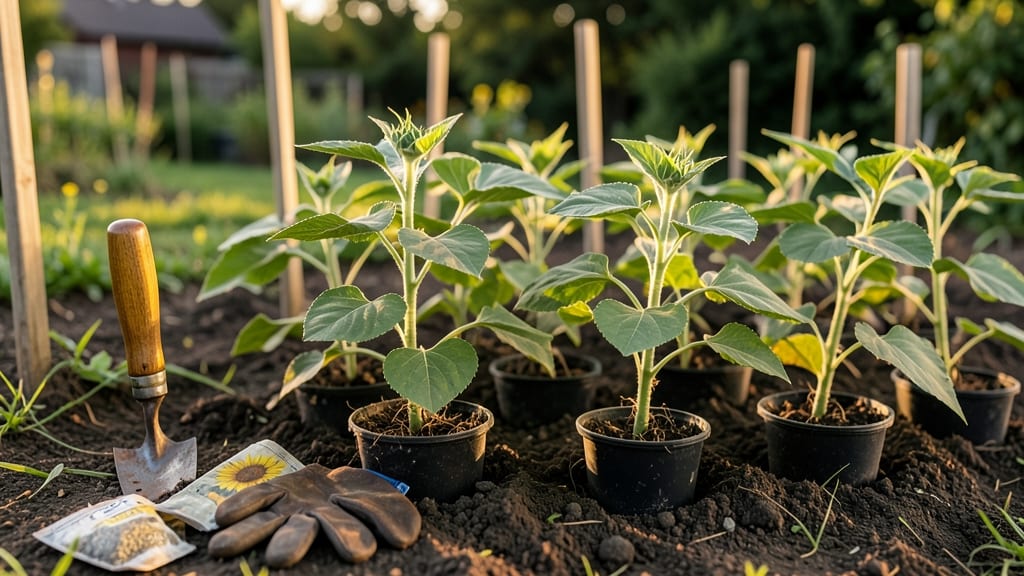
Planting sunflowers in Southern California works best from late January to early March—when soil temperatures hit 50°F+ and summer’s brutal heat hasn’t yet arrived.
Sunflowers thrive in Southern California’s warm climate—but planting them at the wrong time can mean wilted dreams before they even bloom. Timing is everything, and microclimates across the region create a delicate balance between heat, drought, and frost-free growing seasons.
Most of SoCal never sees frost, but inland areas like Riverside can hit 90°F+ by May, while coastal zones like San Diego stay milder. That means your 60–90-day sunflower varieties need to be in the ground early enough to mature before the heat peaks.
Below, I’ll break down the exact windows by microclimate, the best drought-resistant varieties for your zone, and how to adjust for fall planting—so you can enjoy those towering 🌻 blooms all season long.
Southern California sunflower planting zones: USDA & microclimate breakdown
Southern California’s diverse climate—from coastal San Diego to inland Palm Springs—means sunflower planting windows can vary by 4-6 weeks depending on your USDA zone and microclimate.
Unlike northern regions, SoCal’s frost-free year-round growing season lets you plant sunflowers almost anytime, but timing still matters for heat tolerance and bloom success. Let’s break down the best months for each zone and how to adapt for coastal vs. inland conditions.
The USDA zones 9a-11 dominate Southern California, but elevation and ocean proximity create microclimates that shift planting windows.
For example, coastal areas (9b-10a) like Malibu stay cooler and moister, while inland desert zones (10b-11) near Palm Springs experience extreme heat. Soil temperature is your best guide: aim for 50°F+ before planting to avoid stunted growth.
Most sunflower varieties thrive when planted in late winter to early spring, but heat-tolerant types like 'Moulin Rouge' can handle summer sowing with extra care.
| USDA Zone | Microclimate | Best Planting Window | Soil Temp | Heat-Tolerant Varieties |
|---|---|---|---|---|
| 9a (Coastal) | San Diego, Santa Barbara | Late January–March | 50–60°F | 'Autumn Beauty', 'Teddy Bear' |
| 9b (Coastal/Inland) | Los Angeles, Orange County | Mid-February–April | 55–65°F | 'Moulin Rouge', 'ProCut Hybrid' |
| 10a (Inland) | Riverside, San Bernardino | Early February–March | 55–70°F | 'Russian Giant', 'Autumn Beauty' |
| 10b-11 (Desert) | Palm Springs, Joshua Tree | September–October (fall) or February | 60–80°F | 'ProCut Hybrid', 'Sunspot' |
In USDA zone 9a (coastal areas), the cool, damp winters create ideal conditions for early planting—late January to March is perfect for varieties like 'Autumn Beauty', which thrives in milder temperatures. The ocean breeze helps regulate soil moisture, reducing the risk of overwatering or heat stress.
If you’re in Santa Barbara or San Diego, aim to plant before March 15 to avoid summer’s coastal fog, which can slow growth.
Moving inland to USDA zones 9b-10a (Los Angeles, Orange County), the Mediterranean climate shifts planting to mid-February through April.
Here, 'Moulin Rouge' shines with its heat-resistant petals and compact growth, making it ideal for urban gardens. Soil temperatures here can climb quickly, so mulching with straw or wood chips helps retain moisture and keep roots cool.
Avoid planting after April 15, as summer heat can cause bolting (premature flowering) or bud drop.
For inland desert zones (10b-11), like Palm Springs or Joshua Tree, the rules change dramatically. The extreme heat means spring planting is risky, but fall planting (September–October) or early February works beautifully.
Varieties like 'ProCut Hybrid' are bred for drought tolerance and high-temperature resilience, making them perfect for these areas. Elevation matters: plant at 3,000+ feet for cooler microclimates, or use shade cloth to protect seedlings from 100°F+ days.
One critical mistake SoCal gardeners make is planting sunflowers too late in spring—by May, the intense sun and dry winds can overwhelm young plants. Instead, focus on succession planting: sow a second batch in late summer (August) for fall blooms.
This works especially well in cooler coastal zones, where 'Autumn Beauty' can produce stunning deep red and burgundy flowers as temperatures drop.
To extend your sunflower season, start seeds indoors 2–3 weeks before your target outdoor date.
Use biodegradable pots to avoid transplant shock, and harden off seedlings by placing them in partial shade outdoors for 3–5 days before full sun exposure. Direct sowing is also an option—simply plant seeds ½ inch deep and keep soil consistently moist until germination (usually 7–14 days).
Pro tip: Monitor soil temperature with a soil thermometer—sunflowers won’t germinate well below 50°F. In hot inland zones, consider drip irrigation to deliver water directly to roots and reduce evaporation. Morning watering (before 10 AM) is key to preventing
How to adjust planting dates for coastal vs. inland SoCal conditions
Southern California’s microclimates create dramatic differences in sunflower growth success. Coastal areas like San Diego enjoy milder temperatures year-round, while inland cities such as Riverside face hotter summers and cooler winters.
These variations mean your planting window could shift by 4-6 weeks depending on location. Understanding these differences helps you avoid heat stress or stunted growth—key issues for sunflowers in SoCal.
Coastal regions benefit from cooler summers and warmer winters, allowing sunflowers to thrive year-round with minimal risk of frost. In contrast, inland areas experience hotter summers and cooler nights, which can stress young plants.
For example, San Diego gardeners can plant sunflowers as early as December, while Riverside gardeners should wait until February to avoid summer heatwaves. This timing ensures strong root establishment before the peak heat arrives.
🌱 Comparison Table: Coastal vs. Inland Planting Adjustments
To extend your fall blooms, coastal gardeners can plant heat-tolerant varieties like 'Autumn Beauty' as late as August. Inland gardeners should focus on succession planting in early spring to avoid summer heat.
For both regions, mulching is critical—coastal areas need 2–3 inches to retain moisture, while inland areas require 3–4 inches to protect roots from extreme heat. This simple adjustment can double your bloom time and ensure healthier plants.
Another key difference is watering frequency. Coastal sunflowers thrive on deep watering twice weekly, while inland plants may need three waterings per week during summer heatwaves. Always water in the early morning to reduce evaporation and fungal risks.
For drought-resistant varieties like 'ProCut Hybrid,' reduce watering to once weekly after establishment, but monitor soil moisture closely—sunflowers hate soggy roots.
If you're in a transition zone (e.g., Orange County or Ventura), split your planting schedule: start with coastal-friendly varieties in December and add inland-adapted types in February. This hybrid approach maximizes your growing season and ensures continuous blooms.
For example, 'Moulin Rouge' performs well in both regions but may need afternoon shade in inland areas during peak summer.
Finally, don’t overlook soil preparation. Coastal soils often retain too much moisture, so amend with compost and perlite for drainage. Inland soils may need organic matter to hold moisture longer.
Test your soil’s pH—sunflowers prefer 6.0–7.5. With these adjustments, your sunflowers will thrive year-round, regardless of whether you're near the ocean or miles inland. 🌻