
Flowers
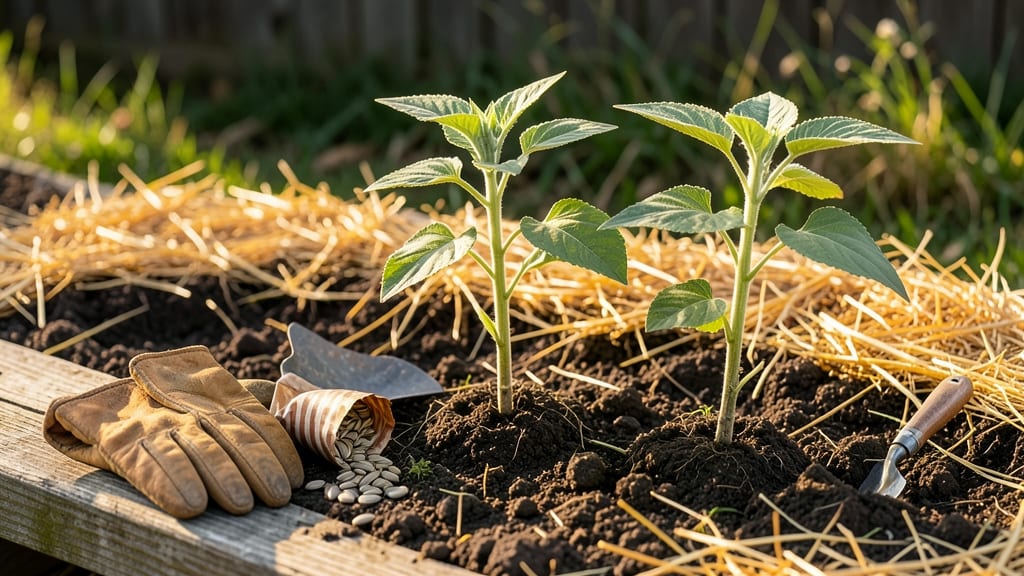
Planting sunflowers in Virginia at the right time ensures towering blooms and a garden bursting with color—miss the window, and you’ll end up with leggy, weak stems instead.
Sunflowers bring vibrant color and joy to any Virginia garden—but planting them at the wrong time can mean wilted disappointment instead of towering beauty. Timing is everything, especially when Virginia’s climate zones range from humid coastal areas to cooler mountain regions.
For most of Virginia, the best window is late April through early May, after the last frost but before summer’s scorching heat sets in. Coastal areas can start a little earlier, while higher elevations may wait until early June.
Whether you’re growing giant varieties for cutting or dwarf types for containers, I’ll walk you through the ideal planting months, soil prep secrets, and how to adjust for Virginia’s microclimates—so you get the full sun success you’re after.
Virginia planting zones and best months for sunflowers
Virginia’s diverse climate—from the humid coastal plains to the cooler Appalachian Mountains—means sunflowers thrive best when planted at the right time in your USDA zone. Most Virginia gardens fall within Zone 7b to Zone 8a, where frost dates and soil warmth dictate the perfect planting window.
For spring-planted sunflowers, aim for March through May, while late-summer varieties can go in August through September.
Sunflowers are warm-season plants that despise cold soil. In Zone 7b (eastern VA), wait until soil temperatures reach 55°F (mid-April to early May). In Zone 8a (western VA), you can start as early as late March.
The key is avoiding late frosts, which can stunt young seedlings. For giant varieties like ‘Mammoth’ or ‘Russian Giant,’ early planting ensures taller stems before summer heat sets in.
Soil preparation is just as critical as timing. Sunflowers prefer well-draining soil with a pH of 6.0–6.8. Work in compost or aged manure to improve fertility, especially in clay-heavy soils common in the Piedmont region. A light mulch after planting helps retain moisture and suppress weeds, which is especially helpful during Virginia’s hot, humid summers.
Here’s how Virginia’s planting zones break down for sunflower success:
| Zone | Best Planting Window | Soil Temp Requirement | Frost Risk | Prep Tip |
|---|---|---|---|---|
| 7b (Eastern VA) | Mid-April to early May | 55°F+ | High (last frost: mid-April) | Add compost to sandy soils |
| 7a (Central VA) | Late March to early April | 50°F+ | Moderate (last frost: late March) | Test soil pH (aim for 6.0–6.8) |
| 8a (Western VA) | Late March to April | 50°F+ | Low (last frost: early March) | Loosen clay soil with gypsum |
| Late Summer (All Zones) | August to early September | 60°F+ | None (first frost: Nov) | Choose dwarf varieties for shorter season |
For late-summer sunflowers, focus on August through September plantings. This second window works especially well for dwarf varieties like ‘Teddy Bear’ or ‘Autumn Beauty,’ which mature faster in Virginia’s shortened fall season.
These sunflowers often bloom just in time for fall festivals and wedding arrangements, adding late-season color when many other flowers fade.
If you’re growing giant sunflowers, prioritize early spring planting (March–April) to give them 100+ days of growth before summer heat slows them down. In Zone 7b, this means starting seeds indoors in late February and transplanting after the last frost.
For direct sowing, wait until mid-April when soil is consistently warm.
One common mistake in Virginia gardens is planting too early in Zone 7b, where late frosts can damage seedlings. Always check your local frost date averages—the Virginia Cooperative Extension provides free frost maps for precise timing.
Another tip: thin seedlings to 12–18 inches apart for giant varieties to prevent overcrowding, which leads to pale, leggy stems.
Sunflowers also handle poor soil surprisingly well, but they’ll reward you with bigger blooms if you amend the soil with compost or a balanced fertilizer (like 10-10-10) at planting. In sandy soils (common in coastal VA), mix in peat moss to retain moisture, while clay soils
How to extend sunflower season in Virginia’s heat and humidity
Virginia’s summer heat and humidity can turn your sunflowers from radiant giants into wilted shadows faster than you think. The key to keeping them blooming longer lies in smart shade management, mulching strategies, and choosing the right heat-tolerant varieties.
With these techniques, you can stretch your sunflower season from early summer into crisp autumn—when their golden faces shine brightest against the changing leaves.
Start by selecting drought-resistant varieties like ‘Autumn Beauty’ or ‘Moulin Rouge’, which thrive in Virginia’s 90°F+ temperatures and high humidity. These varieties not only survive but flourish, producing vibrant blooms even when other sunflowers struggle.
Pair them with proper care, and you’ll enjoy sunflowers well into October or November.
Here’s how to maximize their bloom time:
- 🌡️ Time shade strategically – Install light shade cloth (30-50%) when temps hit 90°F to protect young plants. Remove it by late afternoon to allow full sun for blooming.
- 💧 Water deeply at dawn – Aim for 1-1.5 inches weekly, focusing on the root zone to prevent fungal diseases like powdery mildew in Virginia’s humid air.
- 🌱 Mulch with 3-4 inches of straw or wood chips to retain moisture, regulate soil temp, and suppress weeds that compete for nutrients.
- 🪴 Fertilize sparingly – Use a low-nitrogen, high-phosphorus formula (like 5-10-10) every 4-6 weeks to encourage blooms over foliage.
- ✂️ Deadhead spent blooms – Remove faded flowers to redirect energy to new growth and extend the season by 2-4 weeks.
Don’t overlook the power of succession planting. After your first batch of sunflowers bolts in the heat, sow a second round in late July or early August. Choose shorter varieties like ‘Teddy Bear’ for easier care, and they’ll bloom just as Virginia’s weather cools.
This two-phase approach ensures your garden stays bright and cheerful from June through November.
Watch for pests like aphids or spider mites, which thrive in Virginia’s humidity. Spray plants with a neem oil solution (1 tsp per quart of water) every 7-10 days to keep them at bay without harming pollinators.
Healthy plants resist pests better, so prioritize soil health with compost and balanced nutrients.
With these tactics, your sunflowers will outlast the heat and reward you with longer seasons of color. Imagine strolling through your garden in October, surrounded by sunflowers nodding in the breeze—proof that Virginia’s climate doesn’t have to limit your gardening dreams.
The secret? Work with the heat, not against it.