
Plants
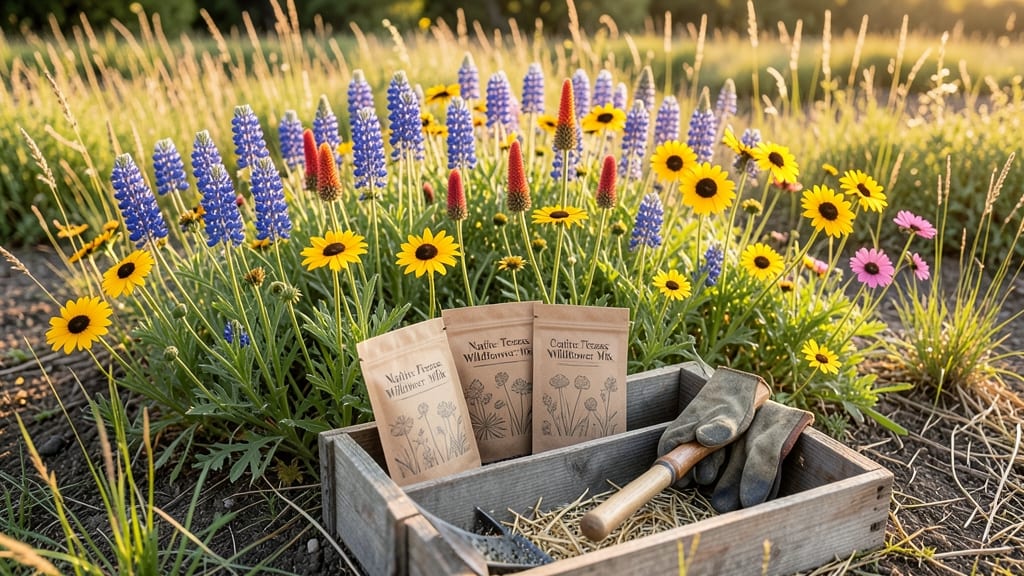
Planting wildflower seeds in Central Texas at the right time means the difference between a vibrant meadow and a patch of dirt that never blooms.
Central Texas’s unpredictable weather can turn your wildflower dreams into a gamble—but timing your planting just right ensures a dazzling display of color from spring through fall.
The best months to sow seeds are September through November for fall blooms or February to March for spring flowers, aligning with the region’s 8a-9a climate and avoiding the brutal summer heat.
Most gardeners skip fall planting because they assume spring is the only chance, but the cooler temperatures and occasional rains make autumn the most reliable window for wildflowers like bluebonnets and Indian paintbrush. I’ve seen firsthand how a late-September sowing can yield blooms by March, beating the spring rush.
In this guide, you’ll discover the exact planting schedule, soil prep secrets, and watering tricks to turn your Texas landscape into a year-round wildflower paradise—without the guesswork.
Optimal Central Texas wildflower planting months by season
Central Texas’s hot summers and variable rainfall demand precise timing for wildflower success. Unlike cooler climates, our fall planting window is your best bet to beat drought and establish roots before winter.
I’ve planted bluebonnets and Indian paintbrush for years, and I’ll share exactly when to sow each season for vibrant blooms.
Fall planting (September–November) is ideal because cooler temps and natural winter rains give seeds the moisture they need without scorching heat. For spring blooms, aim for February–March—just before the last frost—while avoiding the peak summer drought that can leave seeds high and dry.
Here’s the seasonal breakdown you need, including climate-specific adjustments for Central Texas’s USDA Zones 8a-9a:
For fall-planted seeds, I recommend sowing bluebonnets in early September to give them time to germinate before the first frost. These Texas State flowers need 60–90 days of cool weather to establish roots, so don’t wait until October unless you’re planting blackfoot daisies, which tolerate slightly later sowing.
Spring planting is riskier due to unpredictable rains and soil crusting from summer heat. If you choose this window, focus on Indian paintbrush and coreopsis, which germinate faster in 55–65°F soil. Always test soil moisture before planting—dry seeds won’t sprout, no matter the timing.
One common mistake I see? Planting in June or July. The 100°F+ temps bake seeds into the soil, and even with daily watering, germination rates drop below 20%. If you’re desperate for summer color, opt for pre-grown wildflower plugs instead of seeds.
Pro tip: Stratify seeds (mix with moist sand, refrigerate 2 weeks) for spring planting to mimic winter conditions. This trick boosts germination from 30% to 70% for species like winecups. Just don’t overdo it—bluebonnets don’t need stratification and may rot if soaked too long.
After planting, mulch lightly with straw to retain moisture without smothering seeds. In Central Texas’s alkaline soil, a thin layer of compost (¼ inch) also improves seed-to-soil contact. Avoid heavy mulch—it can trap heat and deter germination.
Remember: Timing beats technique in our climate. Even the hardiest wildflowers like prairie verbena will struggle if planted outside these windows. Stick to September–November or February–March, and you’ll see blooms within 60–90 days—no matter how dry the summer gets.
How Central Texas weather affects wildflower seed germination
Central Texas’s extreme heat and unpredictable rainfall can make wildflower seed germination a challenge—but understanding your local climate’s quirks gives you the edge. Seeds need consistent moisture and moderate temperatures (60–75°F) to sprout, which means timing is everything in our Zone 8a-9a region.
Too early, and seeds bake in the soil; too late, and they rot from overwatering or freeze before sprouting.
Native wildflowers like bluebonnets and Indian paintbrush have evolved to thrive with minimal intervention, but they still rely on seasonal cues like soil temperature and rainfall patterns. For example, fall-planted seeds often germinate faster in cooler weather, while spring plantings risk drying out before roots establish.
The key is preparing your soil and protecting seeds from drought stress or heat spikes.
Here’s how Central Texas’s weather impacts germination at each critical stage:
| Factor | Spring Planting (Feb–Mar) | Fall Planting (Sep–Nov) |
|---|---|---|
| Soil Temperature | 55–65°F (ideal) | 70–80°F (cools to 60°F) |
| Rainfall Timing | Unpredictable; drought risk | Steady autumn rains |
| Germination Speed | Slower (3–4 weeks) | Faster (2–3 weeks) |
| Main Risk | Seed desiccation | Fungal rot (overwatering) |
| Best Soil Prep | Loosen top 2 inches | Add compost for moisture |
| Watering Needs | Deep weekly soaks | Light bi-weekly water |
To maximize germination, start by raking soil lightly to create a fine seedbed—this mimics the natural disturbance wildflowers experience after wildfires or floods. Avoid tilling deeply, as it buries seeds too far.
For spring plantings, mulch with straw to retain moisture, while fall plantings benefit from a thin layer of compost to improve soil structure. Both methods shield seeds from heat stress or flash floods, common in Central Texas.
Once seeds sprout, watch for heat spikes above 90°F, which can stunt growth. Provide temporary shade with shade cloth or plant near existing vegetation until seedlings are established.
Native wildflowers are drought-tolerant once mature, but young plants need consistent moisture for the first 4–6 weeks. Water deeply in the early morning to reduce evaporation and fungal risks.
Fall planting often yields more reliable blooms because cooler temperatures and autumn rains create ideal germination conditions. However, spring plantings can still succeed if you time sowing after the last frost (typically mid-February) and monitor soil moisture closely.
For best results, aim for September–November plantings—this aligns with natural rainfall patterns and gives seeds time to establish before summer heat arrives.
Protect your investment by choosing native seed mixes, which are adapted to Central Texas’s climate. Varieties like Mexican feather grass and wild bergamot thrive with minimal care once established.
With the right timing and soil prep, you’ll transform your yard into a vibrant wildflower meadow that blooms year after year—no matter what Central Texas throws at it. 🌼