
Plants
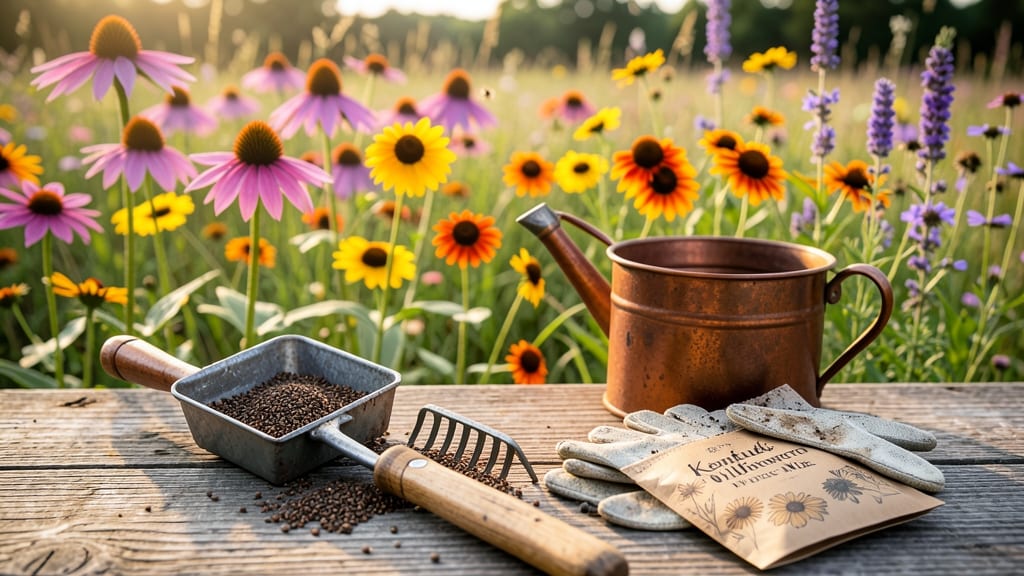
Planting wildflower seeds in Kentucky at the right time means the difference between a meadow bursting with color and a patch of dirt that never quite takes.
If you’ve ever scattered seeds in late spring only to watch them bake under the summer sun or get drowned out by weeds, you know how critical timing is. Kentucky’s 6a-7b climate gives you two prime windows—early spring and fall—but each has its own tricks to pull off best results.
In this guide, I’ll break down the exact months to plant for your region, how to prep Kentucky’s heavy clay soil, and which native wildflowers like Black-Eyed Susans and Purple Coneflowers thrive when sown in spring versus fall.
You’ll also learn how to read your local frost dates, avoid common pitfalls (like overwatering or planting too deep), and keep your wildflowers blooming from April through October—no guesswork required.
Optimal Kentucky wildflower planting seasons: spring vs fall comparison
Kentucky’s two prime wildflower planting windows—spring and fall—each offer unique advantages for germination and establishment. Understanding these differences helps you choose the best time for your native wildflower mixes based on your region’s microclimate and soil conditions.
Let’s break down the key factors influencing success in USDA Zones 6a-7b.
Spring planting (March-May) aligns with Kentucky’s last frost dates, typically around March 15 in Bluegrass and slightly later in Pennyrile’s warmer microclimates. Fall planting (September-November) leverages cooler temperatures and autumn rains to establish roots before winter dormancy.
Both seasons require careful timing to avoid soil temperature extremes that can hinder germination.
Here’s how these seasons compare for Kentucky gardeners, including moisture needs, soil temperature thresholds, and regional variations that impact your wildflower success.
| Factor | Spring Planting (March-May) | Fall Planting (September-November) |
|---|---|---|
| Best Time | After last frost (mid-March to early May) | 6-8 weeks before first frost (late Sept to early Nov) |
| Soil Temperature | 50-65°F (ideal for germination) | 60-70°F (cooler than spring) |
| Moisture Needs | Consistent watering (1/4" weekly) | Natural rainfall + supplemental water |
| Weed Competition | High (spring weeds emerge early) | Moderate (weeds dormant in fall) |
| Bluegrass Region | Plant after March 20 (soil warms faster) | Plant by October 15 (earlier frost risk) |
| Pennyrile Region | Plant after March 25 (warmer microclimate) | Plant by November 1 (longer growing season) |
| Germination Time | 7-14 days (warmer soil) | 10-21 days (cooler soil) |
| Establishment Time | 6-8 weeks (fast growth) | 8-12 weeks (slower but stronger roots) |
Spring planting offers faster germination due to Kentucky’s warming soils, but it requires vigilant weed control as invasive species like henbit and chickweed emerge early. In contrast, fall planting benefits from cooler temperatures that reduce weed pressure and allow seeds to establish roots before winter dormancy.
For Bluegrass region gardeners, aim to plant spring wildflowers after March 20 when daytime highs consistently reach 60°F. In Pennyrile’s warmer microclimates, you can push planting to March 25 or later, but monitor soil moisture—Kentucky’s clay soils dry out quickly in spring.
Fall planting success hinges on timing before the first frost, typically November 15 in most of Kentucky. In Pennyrile’s Zone 7b, you can extend planting to early November, but avoid seeding after October 31 in colder Bluegrass areas to prevent frost damage to tender seedlings.
My top recommendation for Kentucky gardeners? Try both seasons! Plant annual wildflowers like cosmos in spring for quick summer blooms, then sow perennial mixes (e.g., purple coneflower, black-eyed Susan) in fall for multi-year color. Just remember: water deeply after planting—Kentucky’s
How to prepare Kentucky soil for wildflower seed germination
Kentucky’s clay-heavy soils and alkaline pH can challenge wildflower germination, but with the right prep, your seeds will thrive. Native wildflowers like Black-Eyed Susans and Purple Coneflowers need loose, nutrient-rich soil to establish strong roots. The key? Testing your soil, amending it properly, and creating ideal conditions for seed-to-sprout success.
Start by testing your soil pH—most Kentucky gardens sit between 7.0 and 8.0 (alkaline), which can hinder germination. Aim for a slightly acidic to neutral range (6.0-7.0) for best results.
Use a home pH test kit or send a sample to your local University of Kentucky Cooperative Extension for professional analysis.
After planting, water deeply but infrequently—Kentucky’s humidity means wildflowers need moderate moisture but not soggy soil. Aim for 1/4 inch of water per week, either from rainfall or gentle watering. Avoid overhead sprinklers, which can wash seeds away or cause fungal issues.
For clay-heavy soils, consider adding sand or perlite (20% of your soil mix) to improve drainage. This helps prevent waterlogging, which can rot seeds before they sprout. If your soil tests too alkaline (above 7.5), mix in sulfur or peat moss to lower the pH gradually.
Finally, avoid fertilizers during germination—wildflowers thrive in low-nutrient conditions. Once established, a light application of compost tea in early spring will boost growth without overwhelming the delicate seedlings. With proper prep, your Kentucky wildflowers will reward you with vibrant blooms from spring to fall.