
Plants
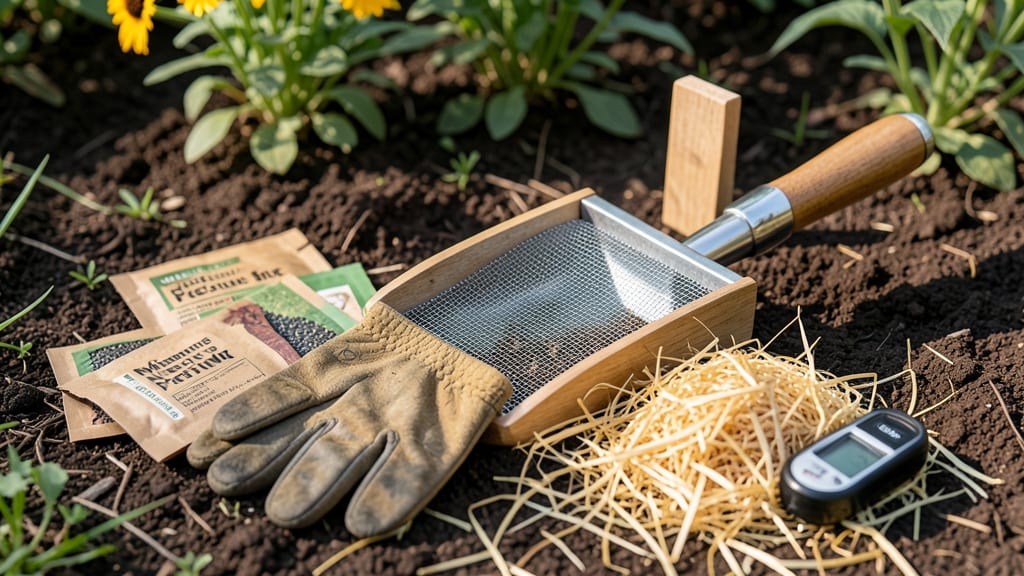
Planting wildflower seeds in Minnesota at the right time—whether in late summer or early spring—can mean the difference between a patch of vibrant blooms and a sad, frost-killed disappointment.
Minnesota’s unpredictable climate can make wildflower gardening tricky—but planting at the right time ensures vibrant blooms year after year, even through harsh winters. Timing isn’t just about avoiding frost; it’s about choosing the perfect window for cold-hardy seeds to thrive.
For USDA zones 4a-5b, the best windows are late August to early October for fall planting or early April to mid-May in spring. These periods give seeds time to establish roots before winter or summer heat sets in.
In this guide, you’ll learn how to pick the right varieties for your region, prep your soil, and care for your wildflowers so they bloom like crazy—no matter what Minnesota throws at them.
Best planting times for Minnesota wildflowers: frost-free vs. fall strategies
Minnesota’s USDA zones 3–5 mean wildflower seeds face short growing seasons and unpredictable frost. Planting at the wrong time can leave seeds exposed to harsh conditions, but choosing the right window—whether early spring, late summer, or fall—gives them the best chance to establish before winter.
The key is understanding how cold stratification and soil temperatures interact with your local climate.
Many gardeners assume spring planting is the only option, but fall planting (especially in September–October) often yields better results. Why? Cold-hardy wildflower seeds benefit from natural stratification—a process where seeds experience cold, moist conditions over winter, breaking dormancy for a stronger start in spring.
This mimics their natural lifecycle in Minnesota’s wild prairies.
Let’s break down the three best planting windows for Minnesota wildflowers, including soil prep tips, seed selection, and climate-specific advice for each zone. Whether you’re in Zone 3’s harsh winters or Zone 5’s milder transitions, timing makes all the difference.
For Zone 3 gardeners, focus on fall planting (October) to ensure seeds experience winter’s natural stratification. In Zone 5, you have flexibility—plant in late August for summer blooms or fall for next year’s flowers.
The goal is to avoid planting when soil temperatures are below 40°F or when frost is imminent.
If you’re planting in spring (March–April), prioritize annual wildflowers like cosmos or zinnia, which germinate quickly in warming soil. For perennials such as black-eyed Susans or coneflowers, fall planting is ideal—they’ll establish roots before winter and bloom vigorously the following year.
Pro tip: Use a seed starter mix if sowing early to prevent drying out.
Minnesota’s clay-heavy soils in many regions can suffocate seeds, so always loosen the top 2–3 inches of soil before planting. Mix in compost or sand to improve drainage, especially in Zone 4’s wetter areas.
After scattering seeds, lightly rake them into the soil—this ensures good seed-to-soil contact without burying them too deep.
Watering is critical in the first 4–6 weeks after planting, regardless of the season. Use a gentle spray to avoid displacing seeds, and aim for morning watering to reduce fungal risks. In fall-planted seeds, reduce watering as temperatures drop, but keep soil moist (not soggy) until the ground freezes.
Mulch with straw to protect seeds from winter winds and temperature fluctuations.
One common mistake is planting too early in spring when the ground is still frozen or too late in fall when frost is near.
Always check your local frost dates—in Zone 3, the first frost can arrive as early as mid-September, while Zone 5 may see frost in late October. Use a soil thermometer to confirm temperatures are safe for your chosen planting window.
For maximum bloom diversity, consider planting a mix of spring and fall seeds.
Top cold-hardy wildflower seeds for Minnesota gardens & their ideal planting months
Minnesota’s cold-hardy wildflowers thrive when planted at the right time, and choosing native varieties ensures minimal maintenance while supporting local ecosystems. These frost-resistant seeds can handle USDA Zones 3-5, making them perfect for Minnesota’s climate.
The key is planting either in early spring (April–May) or late summer/fall (August–October), allowing seeds to establish roots before winter.
Native wildflowers like black-eyed Susan, coneflower, and butterfly weed are not only beautiful but also drought-tolerant once established. They attract pollinators and require little care, making them ideal for low-maintenance gardens.
Below, I’ve curated a list of the top 10 cold-hardy wildflowers for Minnesota, including their ideal planting months and growing conditions.
⚠️ NON-NEGOTIABLE: Always prepare your soil by removing weeds and loosening the top layer. Wildflower seeds need good soil contact to germinate, so a light raking after planting is essential. Avoid fertilizing—these plants prefer low-nutrient soil.