
Companion Plants
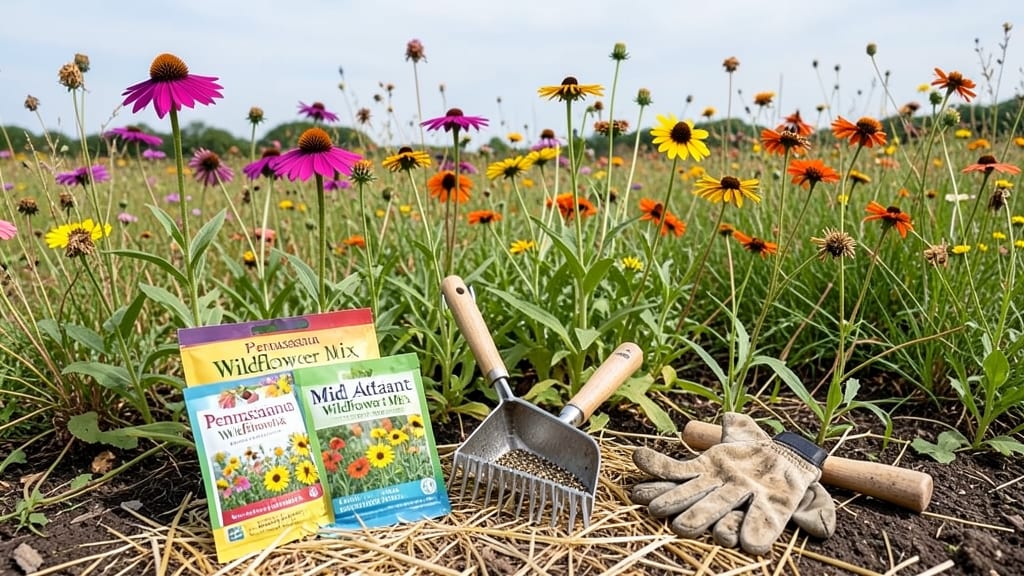
Planting wildflower seeds in Pennsylvania at the right time means the difference between a vibrant meadow and a missed opportunity 🌼 — and the best windows are spring and fall, with regional tweaks that matter.
Pennsylvania’s diverse climate—from the Appalachian foothills to the Erie coastline—means wildflower planting success depends on timing. Plant too early, and frost will wipe out your blooms; too late, and invasive species will take over.
In this guide, we’ll break down the ideal frost-date windows for your specific zone, whether you’re in the cooler 5a regions of the north or the milder 7a areas of the south.
You’ll also discover how to prep your soil, choose the right seed mixes for your microclimate, and keep deer from turning your meadow into a snack bar.
Pennsylvania wildflower planting calendar by frost dates and regions
Pennsylvania’s 6 distinct climate zones create unique planting windows for wildflowers. From the cool Appalachian highlands to the warmer Susquehanna Valley, timing your seeds correctly ensures vibrant blooms.
Most native species like black-eyed Susan and butterfly milkweed thrive when planted either in early spring or late summer/fall, avoiding extreme heat or frost.
Understanding your last frost date is critical—planting too early risks seedling loss, while waiting too long may let weeds dominate. Pennsylvania’s USDA zones 5a-7a span from March 15 (northern regions) to April 15 (southern areas) for average last frosts.
For fall planting, aim for 6-8 weeks before first frost, typically September-October.
Here’s your region-specific planting calendar, including seed stratification tips for native species that need cold treatment to germinate:
For northern PA regions, like the Poconos or Erie, prioritize late April-May planting to avoid late frosts. These areas benefit from fall planting in early September to leverage cooler soil temperatures.
In contrast, southern PA, such as Philadelphia or Lancaster, can start as early as mid-March and extend fall planting to early October.
Goldenrod and black-eyed Susan often require cold stratification—place seeds in a moist paper towel in the fridge for 30-45 days before planting. Butterfly milkweed, however, germinates best with light scarification (lightly nicking the seed coat) to improve water absorption. Always test soil moisture before planting—dry seeds won’t sprout, even with perfect timing.
Pro tip: Mulch lightly after planting to retain moisture without smothering seeds. Use
Spring vs. fall planting: which works best for PA wildflowers?
Deciding whether to plant wildflower seeds in spring or fall can make or break your garden’s success. Pennsylvania’s USDA zones 5a-7a create unique challenges—cooler northern regions vs. milder southern climates. Both seasons offer advantages, but timing is everything for germination rates and establishment before winter’s first frost.
Fall planting is often preferred because cooler soil temperatures reduce seedling stress and weed competition. However, spring planting gives seeds a head start in warmer soil, which speeds up growth. The key is understanding your last frost date and soil moisture conditions in your specific PA region.
Spring Planting (March–May)
- Warmer soil speeds up germination
- Longer growing season for establishment
- Easier to monitor watering needs in spring
- Higher weed competition early on
- Risk of drought stress in late spring
- Late plantings may not bloom the first year
Fall Planting (September–October)
- Cooler soil reduces seedling stress
- Less weed pressure in early spring
- Seeds stratify naturally over winter
- Must plant 6 weeks before first frost for germination
- Soil may be too dry or frozen in late fall
- Less time for root establishment before winter
For northern PA (zones 5a-6a), fall planting is ideal—aim for late August to early October to ensure seeds germinate before first frost. In southern PA (zones 6b-7a), you have more flexibility, but avoid planting after mid-October to prevent winter kill.
Always check your local frost dates and adjust accordingly.
One critical rule for fall planting: seeds need 6 weeks of warm soil before winter sets in. If your region’s first frost arrives in mid-October, plant by early September. For spring plantings, wait until after your last frost date—typically mid-April to early May—to avoid frost damage.
Soil moisture is another game-changer. Fall-planted seeds benefit from winter snowmelt, while spring-planted seeds rely on consistent rainfall. If your area experiences drought conditions, spring planting may require supplemental watering to keep seeds moist until germination.
Weed competition is often worse in spring-planted wildflowers, as weeds germinate early and outcompete seedlings. Fall planting gives wildflowers a head start in the spring, reducing the need for manual weeding. However, if you choose spring planting, apply a light mulch after germination to suppress weeds naturally.