
Plants
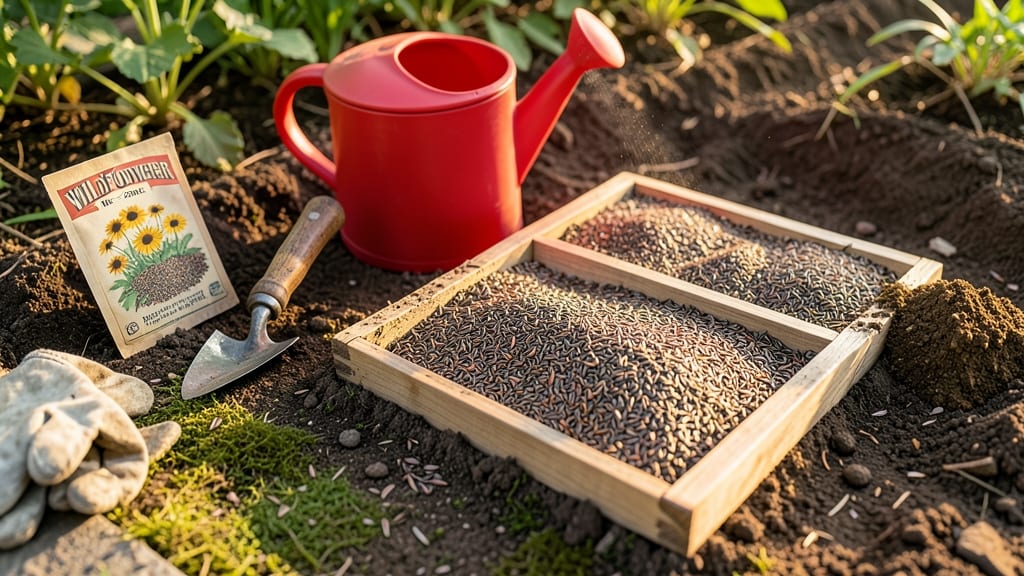
To plant wildflower seeds in Zone 5 for the best germination rates, aim for late summer to early fall or early spring when soil temperatures hover between 50°F and 65°F.
Struggling to time your wildflower planting in Zone 5? Planting at the wrong time can mean sparse blooms or failed germination—here’s exactly when to sow for vibrant meadows every year.
In Zone 5, where first frost arrives by mid-October, fall planting (August–September) gives seeds time to establish roots before winter. Spring planting (March–April) works too, but you’ll need to act fast before summer heat sets in.
Below, I’ll break down the ideal timing, soil prep tips, and how to choose the right wildflower mix for your Zone 5 garden’s light and climate. Ready to transform your space into a pollinator paradise?
Best planting windows for wildflower seeds in Zone 5 (spring vs fall)
Timing your wildflower seeds correctly in Zone 5 can mean the difference between a vibrant meadow and a sparse patch of weeds. Since Zone 5 spans diverse climates—from Chicago’s lake-effect winters to Pittsburgh’s humid summers—understanding the ideal windows is critical.
Both spring and fall planting work, but each has unique advantages based on soil temperatures and regional frost patterns.
Most wildflower seeds thrive when soil temperatures hover between 50°F and 70°F. In Zone 5, this typically occurs in late summer/early fall (August–September) or early spring (March–April). However, microclimates—like urban heat islands or sheltered valleys—can shift these windows by 2–4 weeks.
For example, Chicago’s lake breezes may delay spring planting until mid-April, while Pittsburgh’s inland location might allow earlier sowing in late March.
Fall planting often yields higher germination rates (up to 30% more than spring) because seeds establish roots before winter dormancy. Spring planting, however, gives seeds a head start in the growing season.
The key is balancing soil moisture, temperature, and frost risk—each factor varies dramatically across Zone 5’s sub-regions.
For spring planting, aim for 4–6 weeks before your last frost date (typically mid-May in Zone 5). In Chicago, this means sowing by early April, while Pittsburgh’s earlier last frost (early May) allows planting until late April.
Use a soil thermometer to confirm temperatures—seeds won’t germinate below 45°F, even if the air is warm.
Fall planting is my top recommendation for Zone 5 because it reduces competition from weeds and gives seeds a 6–8 week head start before winter. Target 6–8 weeks before your first frost (usually mid-October), ensuring seeds germinate but don’t sprout too early.
In Detroit, for example, planting in early September aligns with ideal soil temps of 60°F–65°F.
Regional adjustments are key: Urban areas (like Chicago’s downtown) may experience 2–3°F warmer soil temps due to heat islands, while rural zones (like northern Indiana) can be 5°F cooler. Monitor local weather patterns—fall rains can delay planting, while spring droughts may require pre-sowing irrigation.
Pro tip: Mix annual and perennial seeds for year-round color. Annuals (like cosmos) germinate quickly in spring, while perennials (like black-eyed Susan) benefit from fall’s cooler temps. Always lightly rake seeds into 1/4-inch of soil—wildflowers need light to germinate!
After sowing, keep soil consistently moist (not soggy) for 4–6 weeks. Fall-planted seeds may need less watering once established, as
How to prepare your Zone 5 soil for wildflower seed success
Wildflower seeds thrive when planted in well-prepared soil that mimics their natural meadow habitats. In Zone 5, where winters are cold and summers can be hot, your soil prep strategy makes the difference between sparse blooms and a vibrant meadow.
The key? Starting with a clean, loose, and nutrient-rich seedbed that retains moisture without becoming waterlogged.
Before you even think about scattering seeds, focus on soil health. Wildflowers are resilient but not fussy—they need good drainage, a neutral pH (6.0–7.5), and a lightly disturbed surface to ensure direct contact with soil.
Skipping this step often leads to poor germination or seedlings that struggle to establish roots.
🌱 Key Takeaway: When to Plant Wildflower Seeds in Zone 5
✅ Pro Tip: For fall planting, aim to sow 6–8 weeks before the first frost to allow seeds to germinate and establish roots before winter.
Start by testing your soil’s pH—wildflowers prefer a neutral to slightly acidic environment. Grab a soil test kit (or send a sample to your local extension office) to check levels. If your soil is too acidic (below 6.0), amend with lime.
For alkaline soil (above 7.5), mix in sulfur or peat moss. This adjustment ensures nutrients are available for your seeds.
Next, tackle soil texture. Wildflower seeds need direct contact with soil to germinate, so avoid burying them. Use a broadfork or tiller to loosen the top 2–3 inches of soil, breaking up compacted layers.
For large areas, a rototiller works, but be gentle—wildflowers dislike heavily disturbed soil. If your soil is clay-heavy, mix in compost or sand to improve drainage.
Moisture retention is critical in Zone 5’s variable climate. After loosening the soil, spread a 1-inch layer of compost or well-aged manure over the area. Compost adds organic matter and improves water retention, while manure provides nitrogen for early growth.
Avoid fresh manure—it can burn seeds. For sandy soils, add coco coir or peat moss to help hold moisture longer.
Finally, address common soil pitfalls that can derail your wildflower dreams. If your soil is too rocky, clear debris to create a smooth seedbed. For weed competition, apply a pre-emergent herbicide (like corn gluten meal) before planting, or hand-pull weeds after sowing.
If your area is prone to erosion, consider planting in containers or raised beds to protect seeds from washing away.
With your soil prepped and tested, you’re ready to scatter seeds and watch your Zone 5 meadow come to life. Remember: patience is key—wildflowers may take 1–2 years to reach their full bloom potential, but the wait is worth it for the colorful, pollinator-friendly display. 🌼