
Planting
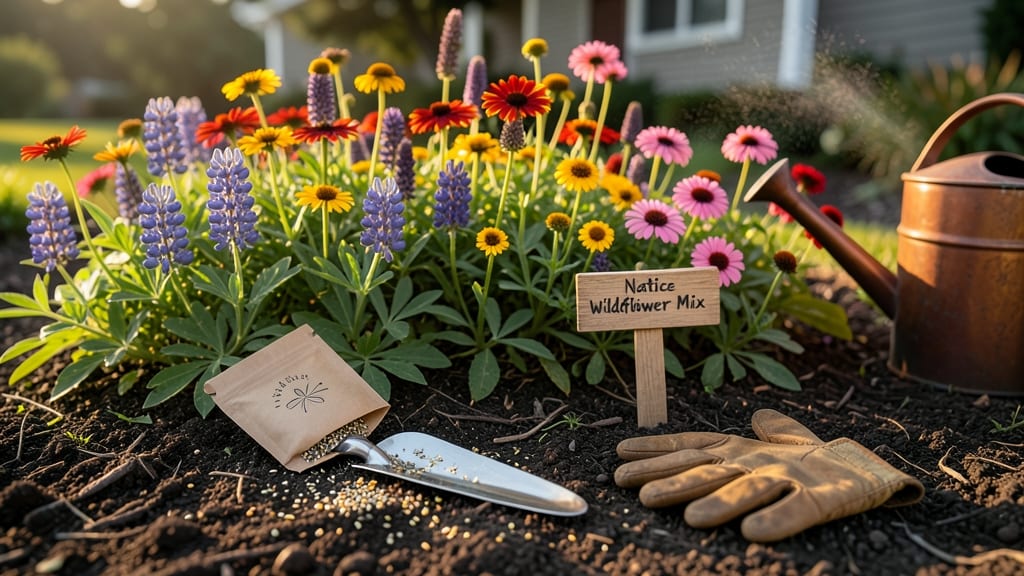
To plant wildflower seeds in Zone 9, aim for fall or winter—October through February—when cooler temps and moisture give them the best shot at thriving.
Picture this: you’ve spent hours scattering 🌼 seeds across your landscape, only to watch them bake under summer sun or rot in winter’s occasional chill. That’s why timing matters so much in Zone 9’s unpredictable microclimates.
Here’s the secret to year-round color: plant in fall for spring blooms, or in winter (January–February) to beat the heat. Native varieties like California poppies and black-eyed Susans will reward you with low-maintenance beauty if you get the schedule right.
Below, I’ll break down the best months, soil prep tips, and the top wildflowers for your region—so you can skip the guesswork and enjoy blooms from March through August.
Best months to plant wildflower seeds in Zone 9 for maximum blooms
Zone 9’s mild winters and hot summers create unique opportunities for wildflower planting. Unlike colder zones, you can plant year-round with the right timing. The key is leveraging cool-season rains and avoiding peak summer heat, which can bake seeds before germination.
Coastal areas have slightly different windows than inland deserts due to humidity and temperature variations.
Fall planting (October–December) is my top recommendation for Zone 9 wildflowers. Seeds germinate with winter rains, establish roots before summer, and bloom spectacularly in spring. This method works especially well for native annuals like California poppies and lupines, which thrive with this head start.
Inland deserts benefit from early fall planting, while coastal regions can extend slightly into late fall.
Here’s the expert-approved planting schedule for Zone 9 wildflowers, including microclimate adjustments:
| Season | Best Planting Months | Why It Works | Ideal Wildflowers | Microclimate Notes |
|---|---|---|---|---|
| Fall | October–December | Seeds germinate with winter rains; roots establish before summer heat. | California poppies, lupines, bluebonnets, coreopsis | Coastal: Extend to late Dec. Inland: Plant by Nov. |
| Winter | January–February | Cooler temps reduce evaporation; seeds stay moist longer. | Black-eyed Susans, salvias, blanket flowers | Coastal: Best for shade-tolerant species. Inland: Avoid frost pockets. |
| Spring | March (early) | Quick germination before summer drought; ideal for summer-blooming perennials. | Desert marigold, gaillardia, penstemon | Coastal: Use shade cloth if planting late. Inland: Water daily until established. |
| Avoid | June–September | Extreme heat dries out seeds; germination rates drop below 30%. | N/A (except pre-soaked seeds) | Coastal: Humidity may help slightly. Inland: Never plant. |
Spring planting (early March) is your second-best option, especially for summer-blooming perennials like desert marigold or gaillardia. These wildflowers thrive when seeded just before the monsoon rains in Arizona or the spring showers in Southern California.
For coastal Zone 9 areas, spring planting works well in partial shade, but inland deserts require daily watering until seeds sprout.
Winter planting (January–February) is often overlooked but ideal for shade-tolerant wildflowers like salvias and black-eyed Susans. The cooler temperatures slow evaporation, keeping seeds moist longer. This method is perfect for coastal microclimates where humidity naturally increases seed germination rates.
Inland gardeners should avoid winter planting in frost-prone pockets, even in Zone 9.
Never plant wildflower seeds in summer (June–September) unless you’re using pre-soaked seeds with shade cloth. The 100°F+ temperatures common in Zone 9 bake seeds before they germinate, resulting in less than 30% success rates.
Even coastal areas struggle with high humidity and heat stress during these months. If you must plant in summer, use shade cloth and daily watering—but fall planting remains the gold standard.
For coastal Zone 9 (e.g., San Diego, Los Angeles), extend your fall planting window into late December thanks to milder temperatures and consistent moisture. Inland deserts (e.g., Phoenix, Las Vegas) should plant by mid-November to avoid early winter dry spells.
Always check your local USDA microclimate maps—even within Zone 9, temperatures can vary by 10°F or more just miles apart.
Pro tip: Mix native wildflower seeds with a light layer of compost or sand to improve soil contact. In clay-heavy soils (common in Southern California), add perlite or coarse sand to prevent waterlogging. Coastal gardeners should focus on drought-tolerant mixes
How to prepare your Zone 9 soil for wildflower seed success
Zone 9’s unique climate—with its mild winters and intense summer heat—demands special attention when preparing soil for wildflower seeds. Unlike cooler zones, your soil must balance moisture retention and drainage to prevent seed rot or drought stress.
Start by testing your soil’s pH level, which should ideally fall between 6.0 and 7.5 for most native wildflowers. Use a simple soil test kit (available at garden centers) to check, then adjust with lime (to raise pH) or sulfur (to lower it) if needed.
Many Zone 9 areas struggle with clay-heavy soils that compact easily, smothering young seedlings. To improve drainage, mix in compost or aged manure (2–3 inches deep) and top with a thin layer of sand or perlite.
For sandy coastal soils, amend with organic matter like leaf mold or coconut coir to help retain moisture. Avoid over-tilling, as this can disrupt soil structure and expose seeds to harsh surface conditions.
⚠️ callout warning
⚠️ Zone 9 Planting Pitfall: Timing + Soil = Failure
Planting wildflower seeds in Zone 9’s peak summer heat (June–August) can fry them before germination. Even with perfect soil prep, seeds need cool, moist conditions to sprout. Fall (October–December) is ideal—seeds germinate with winter rains, and plants establish roots before summer. Never plant in dry, cracked soil, even if it’s "prepared."
Choose native wildflower seed mixes tailored to your region, as they’re adapted to Zone 9’s drought and heat. Look for labels specifying California native, Southwest wildflowers, or Florida-friendly varieties, depending on your location. These seeds thrive with minimal intervention once established.
Scatter seeds lightly (about 1/8 inch deep) over prepared soil and press gently with a board or rake to ensure contact. Avoid burying seeds too deeply, as most wildflowers need light to germinate.
After planting, maintain consistent moisture for the first 4–6 weeks by watering deeply 2–3 times per week (early morning is best). Once seedlings appear, reduce watering to once weekly to encourage deep root growth. Mulch with straw or wood chips (1–2 inches thick) to suppress weeds and retain soil moisture.
This step is critical in Zone 9’s dry spells, especially in coastal areas where winds can dry soil quickly.
Skip heavy fertilizers—wildflowers thrive in low-nutrient soils. Instead, top-dress with compost tea or a light 5-5-5 fertilizer (1 tablespoon per 10 sq ft) in early spring if growth appears sluggish. Over-fertilizing can lead to lush foliage but fewer blooms, defeating the purpose of planting wildflowers.
Monitor for pests like aphids or disease signs (yellowing leaves, mold), and address issues promptly with neem oil or horticultural soap.
For long-term success, let wildflowers self-seed naturally by leaving spent blooms on plants until they dry. This ensures a continuous display of color year after year with minimal effort. In Zone 9’s Mediterranean climates, some species (like California poppies) may go dormant in summer—don’t panic!
They’ll rebound with fall rains. With the right soil prep, your wildflower meadow will become a pollinator paradise and a low-maintenance masterpiece. 🌿