
Flowers
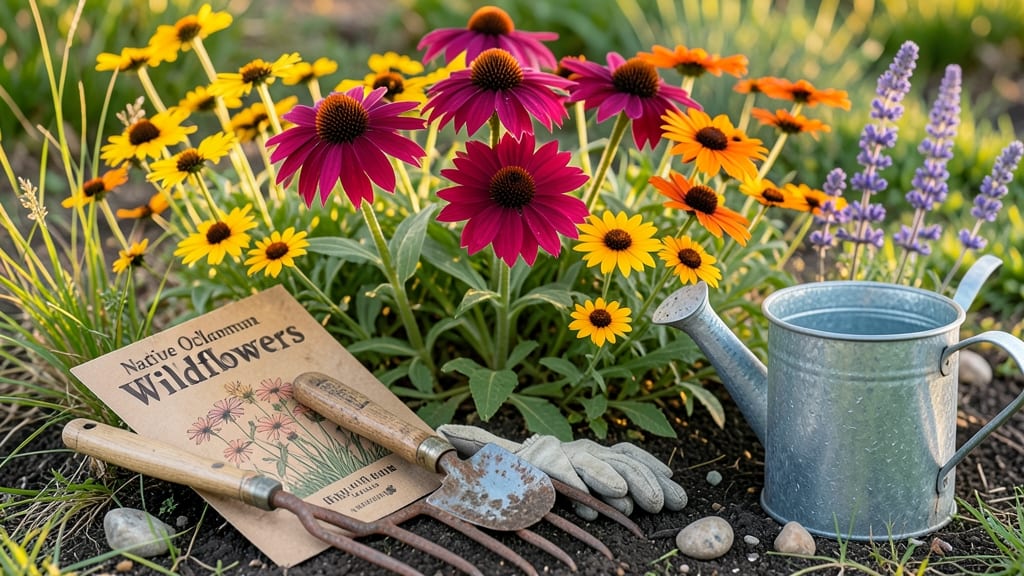
Planting wildflowers in Oklahoma at the right time ensures they thrive through the seasons and bloom like a vibrant meadow 🌼 — and the best windows are late winter to early spring or fall.
Timing your wildflower planting in Oklahoma’s USDA Zone 7a can mean the difference between a vibrant meadow and a late-season disappointment—here’s exactly when to plant for maximum blooms and frost-proof survival.
Oklahoma’s unpredictable weather makes the fall planting window (September to October) a smart choice for many native species, while early spring (February to April) works for hardier annuals.
Below, I’ll break down the exact deadlines by zone, soil prep tips, and the top 5 wildflowers that thrive in Oklahoma’s climate—so you can skip the guesswork and get blooms every season.
Optimal wildflower planting windows in Oklahoma’s Zone 7a (with frost deadline maps)
Oklahoma’s Zone 7a offers two prime windows for planting wildflowers, but timing is everything. Fall planting (September-October) gives seeds time to establish roots before winter, while early spring planting (March-April) avoids late frosts.
The key? Understanding your last frost date—typically March 15 in Oklahoma City and slightly earlier in Tulsa.
Native wildflowers like Black-Eyed Susan and Purple Coneflower thrive when planted after soil temperatures reach 50°F. In Oklahoma’s variable climate, fall planting is often safer—seeds germinate in spring when warmth returns.
But if you miss fall, don’t panic: spring planting works too, as long as you’re past the last frost.
Regional differences matter. Northern Oklahoma (e.g., Norman) has earlier frost risks than southern areas (e.g., Oklahoma City). Use the USDA frost maps below to pinpoint your exact deadline. For example, Tulsa’s last frost is March 10, while Lawton’s is March 20—a 10-day difference that impacts planting success.
🌱
| Planting Window | Best For | Soil Temp Threshold | Frost Risk | Oklahoma City Deadline |
|---|---|---|---|---|
| Fall (Sept-Oct) | Perennials, Native Species | 50-60°F | Low (Seeds dormant) | October 15 |
| Early Spring (Mar-Apr) | Annuals, Fast Bloomers | 55-65°F | Moderate (After last frost) | April 1 |
| Late Spring (Apr-May) | Heat-Tolerant Species | 60°F+ | None (Safe) | May 15 |
| Winter (Dec-Feb) | Cold-Hardy Annuals | 40°F+ | High (Avoid) | Not Recommended |
For annual wildflowers, aim for late spring planting (April-May) to ensure blooms before Oklahoma’s summer heat peaks. Species like Sunflower and Cosmos germinate quickly in warm soil, giving you summer-long color.
But if you’re planting perennials like Blazing Star or Prairie Coneflower, fall is your best bet—they’ll establish roots and survive winter dormancy.
Soil temperature is your secret weapon. Use a soil thermometer to confirm 50°F+ before planting. In Oklahoma’s clay-heavy soils, fall rains help seeds settle, while spring planting requires light irrigation to keep soil moist until germination. Pro tip: Mulch lightly after planting to retain moisture and regulate temperature.
Don’t overlook micro-climates. A south-facing slope in Tulsa may warm up 2 weeks earlier than a shaded valley in Oklahoma City. Observe your garden’s sun exposure and adjust planting dates accordingly.
For example, shady areas (e.g., under trees) are better for fall planting of shade-tolerant species like Wild Bergamot.
If you’re new to wildflowers, start with native species—they’re adapted to Oklahoma’s drought and heat. Plant Indian Paintbrush in early spring for spring blooms, or Goldenrod in fall for late-summer color. Remember: Native wildflowers support pollinators and require minimal maintenance once established.
For container planting, follow the same rules but use well-draining potting mix. Containers warm up faster than soil, so you can plant 2-3 weeks earlier than in-ground. Just ensure pots have drainage holes to prevent root rot during Oklahoma’s summer downpours.
🌿
Finally, mark your 2025 planting calendar now! Use local weather forecasts to adjust for unpredictable Oklahoma springs. If a late frost hits, cover new seedlings with frost cloth until temperatures rise.
With the right timing, your wildflower meadow will bloom from spring to fall, attracting butterflies, bees, and hummingbirds all season long.
How to adjust planting times for Oklahoma’s unpredictable weather patterns
Oklahoma’s weather can throw a curveball at even the most experienced gardeners—late frosts, sudden droughts, and unpredictable rainfall make wildflower planting a high-stakes game. The key to success lies in flexibility and preparation.
I’ve learned that fall planting often outperforms spring in Zone 7a, but only if you account for soil moisture and frost risks. Let’s break down how to adapt your timeline to Oklahoma’s whims.
First, understand that Oklahoma’s last frost dates can vary by 2-3 weeks between regions—Oklahoma City typically sees its final frost around March 15, while Tulsa might push it to March 25.
For wildflowers, this means your backup planting window could shift dramatically. If you’re in a high-risk zone like the western panhandle, consider starting seeds indoors in February to give them a head start.
- 1 Monitor soil temps: Plant when soil reaches 50°F+ (use a soil thermometer). Cold soil delays germination.
- 2 Stratify seeds: Cold-moist treatment (e.g., Indian Blanket) mimics winter conditions. Soak seeds in water for 24 hours, then refrigerate for 30-60 days.
- 3 Use mulch: Apply 2-3 inches of straw after planting to retain moisture and insulate roots during late frosts.
- 4 Backup dates: If rain delays planting, Oklahoma’s secondary window is September 15–October 15 for fall-blooming species like Aster.
- 5 Drought prep: Water deeply once a week for 2 weeks post-planting to establish roots. Use drip irrigation to avoid evaporation.
For seed stratification, I’ve had the most success with native Oklahoma wildflowers like Black-Eyed Susan and Purple Coneflower. These species often require cold stratification to break dormancy. My trick?
Place seeds in a damp paper towel, seal them in a plastic bag, and refrigerate for 4-6 weeks before planting. This mimics the natural winter chill they’d experience outdoors, ensuring faster and more reliable germination.
Oklahoma’s erratic rainfall is another wild card. To combat drought risks, I recommend pre-watering the soil 24 hours before planting. This gives seeds the moisture they need to sprout without relying on unpredictable spring showers.
After planting, use mulch to lock in moisture—straw or wood chips work best. Pro tip: Avoid synthetic mulches like plastic, which can overheat soil and stress young seedlings.
If you’re planting in high-risk zones like the Panhandle or western Oklahoma, consider a two-phase approach. Start with hardy annuals like Sunflower in early March, then follow up with perennials like Butterfly Weed in late April.
This staggered timeline ensures continuous blooms and reduces the impact of late frosts. Always check the National Weather Service for 10-day forecasts before committing to outdoor planting.
Finally, don’t overlook the power of container gardening for high-value wildflowers. If your ground is too rocky or dry, use large pots with drainage holes and plant fast-growing species like Zinnias or Cosmos.
These can be moved to sheltered spots if frost warnings arise. With these adjustments, you’ll turn Oklahoma’s unpredictable weather into an advantage—not a roadblock.