
Flowers
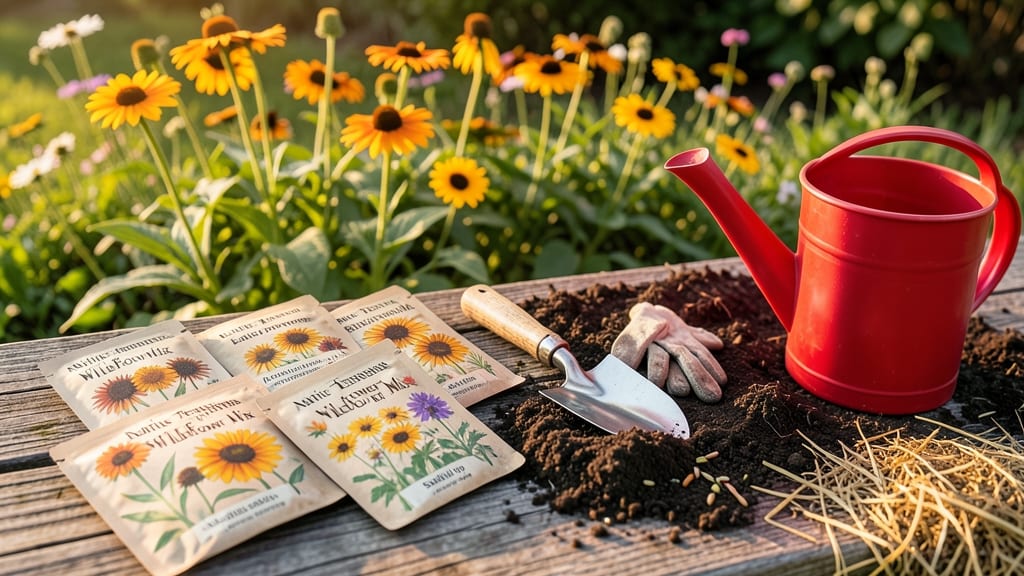
Planting wildflowers in Tennessee at the right time means the difference between a meadow bursting with color 🌼 and a patch of weeds—so timing your seeds by zone is the key to success.
Tennessee’s diverse climate zones—from the humid Appalachian highlands to the hot Lowland Plains—can make wildflower planting timing feel like a guessing game. But planting at the wrong time means fewer blooms and more weeds, while getting it right unlocks vibrant meadows that thrive year after year.
For Zone 6a, aim for late winter to early spring (after March 15), while Zone 7a-8a gardeners can also plant in fall for spring blooms. The secret? Scatter seeds directly into prepared soil after the last frost date or in early fall for perennial varieties.
Below, I’ll break down the best months by zone, the top Tennessee-native wildflowers for your climate, and pro tips to keep your meadow blooming from spring to fall—no matter where you are in the state.
Tennessee wildflower planting calendar by USDA hardiness Zone
Tennessee spans USDA zones 6a-8a, creating unique planting windows for wildflowers depending on your location. In the cooler Appalachian Mountains (Zone 6a), you’ll plant earlier than in the warmer Lowland Plains (Zone 8a).
The key is aligning your planting with last frost dates and seasonal rainfall patterns to give seeds the best chance to germinate and establish before summer heat arrives.
For annual wildflowers, timing is critical—they complete their life cycle in one season, while perennials can be planted slightly later but need strong roots before winter.
I’ll break down the best months for each zone, including early spring, fall, and even late summer options for drought-resistant varieties that thrive in Tennessee’s humid climate.
Here’s your zone-specific planting calendar, including frost-free dates and ideal soil conditions for maximum blooms. Remember, native wildflowers like black-eyed Susan and purple coneflower adapt better to Tennessee’s soil and weather than non-native species, so prioritize those for long-term success.
In Zone 6a, where frosts linger until mid-March, focus on early spring planting (March-April) for annuals like coreopsis and bee balm. These fast-growing flowers bloom quickly, giving you vibrant color before summer arrives.
For perennials, a late summer planting in September allows roots to establish before winter dormancy.
Zone 7a gardeners have the most flexibility, with two ideal planting windows: early spring (February-April) and late summer (August-September). This zone’s milder winters make fall planting especially effective for perennials like purple coneflower, which thrive when established before the first frost.
Avoid planting in June or July—Tennessee’s summer heat can cause seeds to dry out before germination.
For Zone 8a’s warmer climate, early planting in January-February takes advantage of cooler temperatures and consistent rainfall. Late summer planting in August works well for drought-tolerant species like Mexican sunflower, which can handle the heat once established.
Skip fall planting here—winters are too mild for traditional cold stratification needs.
Pro tip: Always test your soil’s moisture before planting. Tennessee’s clay-heavy soils in some regions (like Middle TN) can become waterlogged after rain, while sandy soils in West TN dry out quickly.
Adjust your planting schedule based on recent rainfall—if the ground is soggy, wait 1-2 weeks for it to dry slightly before scattering seeds.
One mistake I see often is planting annual wildflowers too late in spring, which leads to weak growth before summer’s heat arrives. For example, cosmos and zinnia planted after May in Zone 7a may bolt to seed quickly instead of blooming.
Instead, aim for April planting to give them 3-4 months of growth before Tennessee’s peak summer temperatures.
For perennial wildflowers, consider a staggered planting approach—sow half your seeds in spring and the other half in late summer. This extends your bloom time from early summer to fall, creating a continuous nectar source for pollinators.
In my own garden in Zone 7a, this method gave me black-eyed Susans blooming from July through October.
Remember that native wildflowers are your best bet for low-maintenance success. They’ve evolved alongside Tennessee’s climate, requiring less water and fertilizer once established. Pair your planting schedule with minimal soil disturbance—wildflowers often thrive in poor, rocky soil where traditional garden plants struggle.
Finally, keep a planting journal your first year to track which species thrive in your microclimate. Note any adjustments you make to timing or soil prep—this will help you refine your approach for future seasons.
With the right schedule, you’ll transform your Tennessee landscape into a pollinator paradise that blooms reliably year after year. 🌼
Best wildflower types for Tennessee seasons and their ideal planting times
Tennessee’s four distinct seasons create perfect conditions for wildflowers that bloom from early spring to late fall. Choosing the right species for each season ensures continuous color and supports local pollinators like bees and butterflies.
Native wildflowers thrive with minimal care once established, making them ideal for Tennessee’s humid subtropical to temperate continental climates.
Spring-blooming wildflowers like Virginia bluebells and wild columbine love Tennessee’s mild March and April temperatures, while summer favorites such as black-eyed Susans and coneflowers need warm soil to germinate.
Fall species like goldenrod and aster take advantage of cooler weather, while hardy clover varieties can even sprout in late summer for winter interest.
- 1 Spring Wildflowers (March-April): Plant Virginia bluebells and wild columbine in well-draining soil with partial shade. These thrive in Tennessee’s USDA Zones 6-8 and bloom early to attract pollinators.
- 2 Summer Wildflowers (May-June): Scatter black-eyed Susans and coneflowers seeds in full sun after the last frost. These drought-tolerant perennials love Tennessee’s hot summers and reward you with bold blooms through fall.
- 3 Fall Wildflowers (September-October): Sow goldenrod and aster seeds in late summer for vibrant fall color. These late-season bloomers thrive in full sun to partial shade and provide nectar for migrating butterflies.
- 4 Year-Round Options (August-September): Plant clover and alfalfa in late summer for winter interest. These nitrogen-fixing plants improve soil health and provide early spring blooms in Tennessee’s cooler regions.
For East Tennessee’s cooler microclimates (Zones 6-7), focus on spring and fall planting to avoid summer drought stress. In West Tennessee’s warmer zones (Zone 8), you can extend planting into early November for winter-hardy species.
Always prepare soil by removing weeds and loosening the top 2-3 inches to improve seed-to-soil contact.
Native wildflowers like purple coneflower and butterfly weed are low-maintenance and attract beneficial insects. Pair them with annuals like cosmos for instant color. Water newly planted seeds daily for 2 weeks to keep soil moist, then reduce to weekly watering once established.
Tennessee’s diverse ecosystems support wildflowers that bloom from March through November. By matching species to seasons, you’ll create a self-sustaining meadow that requires minimal intervention. Start small with a 10x10-foot plot, then expand as you master timing and care.