
How To
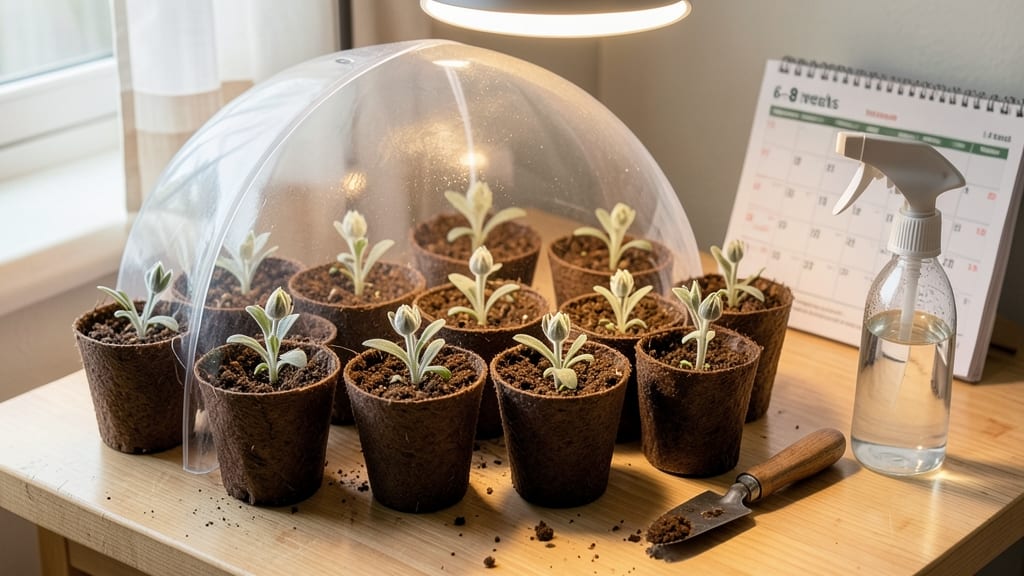
To start strawflower seeds indoors for vibrant summer blooms, aim for 8 to 10 weeks before your last frost date — typically mid-February for USDA Zone 6a and earlier for colder regions.
Strawflowers (Helichrysum) are prized for their long-lasting blooms and vibrant colors—but timing your indoor seed start can mean the difference between lush summer cuttings and leggy, weak plants.
If you rush the process, seedlings may bolt in heat or stretch too tall for transplanting. Wait too long, and you risk frost damage before they mature. The key is calculating your local frost-free window and working backward from there.
In this guide, I’ll break down the exact start dates by zone, how to adjust for early or late frosts, and the 3-step indoor setup to ensure strong, healthy plants ready for the garden.
Strawflower seed starting timeline by USDA hardiness zones
Timing your strawflower seeds indoors is critical for zero-frost success. These drought-tolerant beauties need 90-120 days to mature from seed to bloom, but their transplant readiness varies dramatically by zone.
Start too early, and you'll face leggy seedlings; too late, and your summer blooms vanish. Let's break down the perfect indoor start windows for USDA Zones 3 through 10.
Strawflowers thrive in full sun and well-draining soil, but their cold maturity timeline must align with your local last frost date. For example, in Zone 3 (average last frost: May 15), you'll need to begin seeds indoors by March 1 to ensure blooms by summer.
Meanwhile, Zone 10 gardeners enjoy a longer window, starting as late as February 20 for similar results.
Here's the key: subtract your last frost date from the 120-day maturity window (ideal for full summer blooms), then work backward. Add 2-4 weeks if you want early summer flowers or need to harden off seedlings properly.
This approach ensures your strawflowers reach their peak bloom period—June through October—without frost damage.
| USDA Zone | Avg. Last Frost | Optimal Indoor Start | Transplant Ready | Bloom Window |
|---|---|---|---|---|
| Zone 3 | May 15 | March 1 - March 15 | May 1 - May 15 | July - September |
| Zone 4 | May 1 | February 25 - March 10 | April 25 - May 10 | June - September |
| Zone 5 | April 25 | February 15 - February 28 | April 15 - April 30 | June - October |
| Zone 6 | April 15 | February 1 - February 15 | April 1 - April 15 | June - October |
| Zone 7 | March 31 | January 20 - February 10 | March 15 - April 5 | May - October |
| Zone 8 | March 15 | January 10 - January 25 | March 1 - March 15 | April - November |
| Zone 9 | February 15 | December 20 - January 10 | February 1 - February 1
How to calculate your exact strawflower start date for zero-frost bloomsCalculating your strawflower seed start date requires three key pieces of information: your local last frost date, the cold maturity days listed on your seed packet, and the transplant timing needed for strong roots. Strawflowers typically need 90-120 days to reach bloom from seed, but your exact start window depends on your USDA zone and frost patterns. Start by finding your average last frost date using the USDA Plant Hardiness Zone Map or local agricultural extension records. For example, in Zone 7, the last frost usually falls around April 15, while Zone 4 gardeners might see frost until May 15. This date is your transplant deadline—the point when seedlings should be hardened off and moved outdoors. Next, check the days to maturity on your strawflower seed packet. Most varieties list 90-120 days to bloom, but this includes both indoor and outdoor growing time. To calculate your indoor start date, subtract 10-14 days for transplant hardening and root establishment. For a Zone 7 gardener with a May 1 transplant goal, starting seeds by February 15 ensures blooms by summer. ⚠️ Common Timing Mistakes to Avoid
Pro Tip: Use a seedling heat mat if your home stays below 65°F (18°C) to speed up germination and avoid weak starts. Adjust your start date if you’re aiming for extended-season blooms. For a fall harvest, calculate backward from your first frost date (e.g., October 15 in Zone 7) and start seeds 10-12 weeks priorJuly for a late-summer transplant, but requires consistent warmth and supplemental lighting. Test your timing with a troubleshooting checklist if seedlings struggle. Are they too tall or spindly? Increase light exposure or use grow lights. Are leaves yellowing or wilting? Check for overwatering or nutrient deficiencies. Strawflowers thrive with bright, indirect light and well-draining soil, so mimic these conditions indoors. Once you’ve nailed your start date, mark it on your gardening calendar alongside hardening-off dates (typically 10-14 days before transplant) and expected bloom windows. With precise timing, you’ll enjoy cut flowers that last weeks in vases—all while avoiding the heartbreak of frost-nipped blooms. |