
Watering
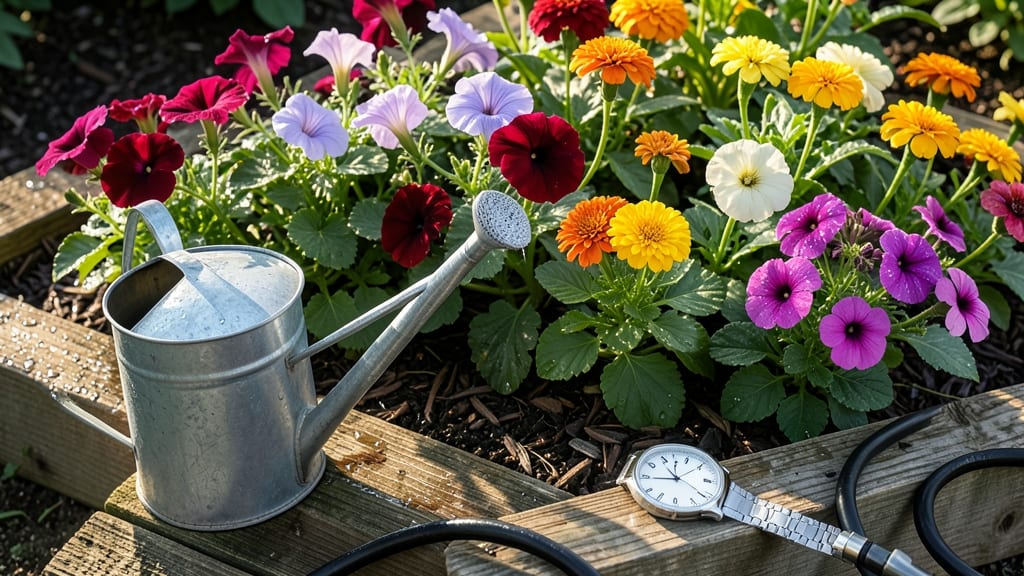
When’s the best time to water flowers? Early morning—before the sun climbs high and the heat evaporates moisture away.
Struggling to keep your flowers thriving? The secret isn’t how much you water—but when. Timing directly impacts root health, disease prevention, and blooming success, yet most gardeners get it wrong.
Watering in the morning gives roots a full day to absorb moisture before the sun dries out the soil. This simple shift can mean the difference between vibrant blooms and wilted petals by afternoon.
Below, I’ll break down why morning watering works best, how to adjust for your climate, and what to watch for when your flowers signal they’re thirsty—or drowning.
Why early morning watering maximizes flower health and growth
If you’ve ever wondered why your roses or petunias look wilted by afternoon despite regular watering, the answer lies in timing. Early morning watering isn’t just a gardening habit—it’s a science-backed strategy that boosts flower health, prevents disease, and encourages deeper root growth.
The key lies in how sunlight, temperature, and humidity interact with moisture during different times of day.
When you water in the early morning (before 10 AM), you give your flowers a head start to absorb water before the sun intensifies. This reduces evaporation rates by up to 30% compared to afternoon watering, ensuring roots get the hydration they need.
Plus, cooler morning air minimizes stress on plants, helping them thrive instead of struggling.
Here’s why this matters: Fungal diseases like powdery mildew and black spot thrive in damp conditions. Watering at night leaves foliage wet overnight, creating the perfect breeding ground for pathogens. Morning watering lets leaves dry quickly, keeping your garden healthy and disease-free.
Another critical factor is root development. When you water in the morning, roots have the entire day to grow and strengthen before evening. This leads to deeper root systems, which means your flowers can access nutrients and water more efficiently, even during drought conditions.
But timing isn’t one-size-fits-all. Climate and humidity levels play a huge role. In arid regions, like the Southwest U.S., morning watering is essential to combat rapid evaporation. In humid climates, like the Southeast, you might still water in the morning but avoid overhead watering to prevent fungal issues.
Ideal morning watering occurs when temperatures are between 50°F and 75°F. Below 50°F, roots absorb water slowly, while above 75°F, evaporation spikes, making watering less effective. Humidity also matters: in low-humidity areas, water more frequently in the morning; in high-humidity zones, spacing out watering sessions prevents over-saturation.
| Time of Day | Best For | Why It Works | Climate Fit |
|---|---|---|---|
| 6:00 AM - 9:00 AM | Root absorption | Low evaporation, cool temps | All climates |
| 10:00 AM - 2:00 PM | Surface moisture | High evaporation, stress | Avoid in dry climates |
| Evening (After 6:00 PM) | Disease risk | Wet foliage overnight | Humid climates only |
The type of flower you’re growing also influences the best morning watering approach. Drought-tolerant flowers, like lavender or succulents, need less frequent but deeper watering in the morning. In contrast, tropical flowers, such as hibiscus or impatiens, benefit from consistent morning moisture to mimic their natural high-humidity environments.
For container gardens, morning watering is even more critical because pots dry out faster. Watering in the morning ensures roots stay hydrated throughout the day, preventing wilting.
A pro tip: use drip irrigation or soaker hoses in the morning to deliver water directly to the roots, minimizing waste and maximizing efficiency.
If you’re unsure whether your flowers are getting enough water, check the soil moisture 2-3 inches below the surface. It should feel damp but not soggy. Adjust your morning watering schedule based on weather forecasts—afternoon rain means you can skip morning watering, while heatwaves may require extra hydration.
Remember, the goal is to create a consistent routine that aligns with your garden’s needs. Start with morning watering, observe your flowers’ response, and tweak as needed. With the right timing, you’ll see healthier blooms, stronger stems, and a garden that thrives all season long.
How to adjust your watering schedule by season and flower type
Your watering schedule should change with the seasons and the types of flowers in your garden. Summer heat demands more frequent watering, while winter dormancy requires minimal moisture. Even the soil type—whether sandy or clay-heavy—plays a critical role in how often you should water.
Let’s break down the best practices for each scenario so your blooms stay vibrant year-round.
For drought-resistant flowers like lavender or succulents, less is more. These plants thrive on infrequent, deep watering to encourage strong root systems. In contrast, tropical varieties such as hibiscus or cannas need consistent moisture to mimic their humid native environments.
Understanding these differences ensures you’re not over- or under-watering, both of which can stunt growth or invite pests.
Soil type is another game-changer. Sandy soil drains quickly, requiring more frequent but lighter watering, while clay soil holds moisture longer, so you’ll water less often but deeply. Always check the top inch of soil before watering—if it’s dry, it’s time to hydrate your plants.
Pro tip: Group flowers with similar watering needs together in your garden. This makes it easier to adjust your schedule without missing a beat.
For example, place succulents and lavender near each other and water them together every 7-10 days, while keeping hibiscus and roses in a separate zone for more frequent hydration.
Pay attention to the signs your flowers give. Drooping leaves or yellowing petals often signal underwatering, while mushy stems or moldy soil indicate overwatering. Adjust your schedule based on these cues—your plants will thank you with longer blooming seasons and healthier foliage.
With these seasonal adjustments, your garden will flourish regardless of the weather. Start by observing your plants’ responses and fine-tuning your routine. Happy gardening! 🌸