
Lawn
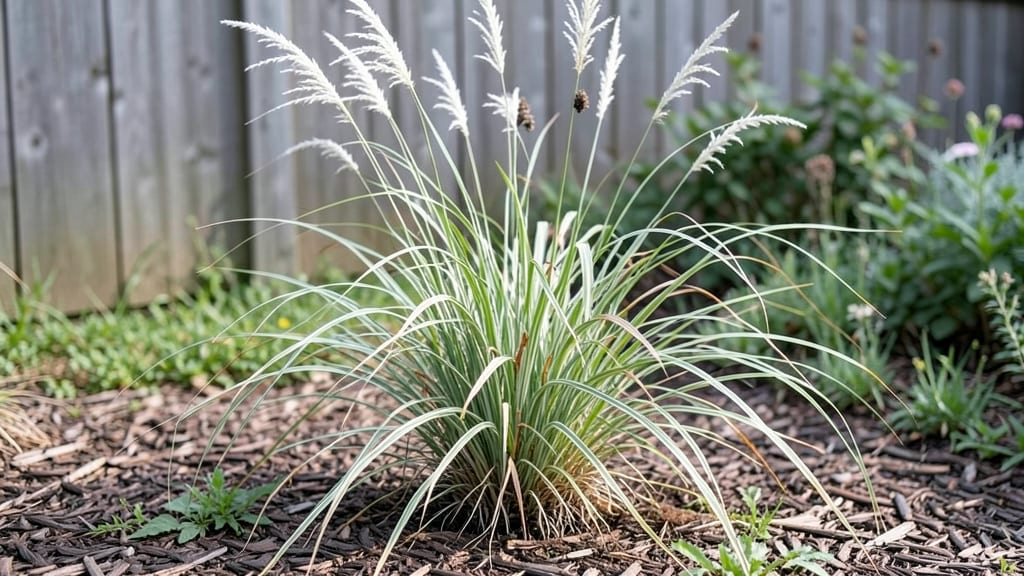
White flowering grass adds a dreamy, ethereal touch to any garden with its delicate blooms and graceful movement 🌿 — a standout choice for adding texture and movement without the fuss.
Picture this: a soft, white cloud of blooms swaying in the breeze, catching sunlight just right to create a shimmering effect that transforms your yard into a serene escape.
Unlike high-maintenance perennials, these grasses thrive on neglect, making them perfect for busy gardeners or those who crave beauty with minimal effort.
Whether you're designing a cottage-style border, a modern minimalist garden, or a wildflower meadow, white flowering grasses bring height, contrast, and seasonal interest. They pair beautifully with deep purples, rich greens, and even bold reds, creating stunning visual contrasts that elevate any landscape design.
In this guide, I’ll share five top varieties for year-round appeal, plus expert tips on planting, pairing, and care to keep your white flowering grass looking its best with almost no work. Let’s get started!
5 Best white flowering grasses for year-round landscaping
White flowering grasses bring a soft elegance and movement to gardens, thriving through all seasons while requiring minimal care. Unlike traditional lawns, these ornamental varieties add texture and height without the upkeep.
Whether you're designing a modern minimalist garden or a romantic cottage landscape, these grasses create stunning focal points that bloom from late summer through winter.
I’ve selected five standout varieties known for their white plumes, hardiness, and adaptability. Each offers unique growth habits—some towering at 6 feet, others staying compact at 2 feet—so you can mix and match for layered visual interest.
These grasses also attract pollinators while providing year-round structure, even when other plants fade.
🌿
| Variety | Hardiness Zones | Mature Height | Bloom Season | Key Features |
|---|---|---|---|---|
| Miscanthus sinensis 'Zebrinus' | 5-9 | 6-8 ft | Late Summer-Fall | Striped foliage, arching plumes, drought-tolerant |
| Pennisetum 'White Wonder' | 6-10 | 3-4 ft | Summer-Fall | Soft, feathery plumes, heat-resistant, compact clumps |
| Stipa tenuissima 'Boules' | 5-9 | 1-2 ft | Summer | Fine-textured, drought-proof, mounding habit |
| Deschampsia cespitosa 'Goldtau' | 4-9 | 2-3 ft | Summer-Fall | Golden foliage, airy plumes, moisture-loving |
| Carex oshimensis 'Evergold' | 5-8 | 1-2 ft | Spring-Summer | Evergreen, soft clumps, shade-tolerant |
Miscanthus sinensis 'Zebrinus' stands out with its striking striped foliage and arching white plumes, making it a statement piece for borders or mixed beds. It thrives in full sun and handles drought once established, perfect for xeric landscapes. Pair it with purple coneflowers or black-eyed Susans for a bold contrast.
For a softer look, Pennisetum 'White Wonder' delivers feathery plumes that sway gently in the breeze. This heat-loving grass reaches 3-4 feet and blooms from late summer through fall, adding winter interest when other plants fade.
It’s ideal for container gardens or modern landscapes where clean lines are key.
If you prefer low-maintenance ground cover, Stipa tenuissima 'Boules' creates lush, mounding clumps with fine-textured blades. Its drought resistance makes it perfect for rock gardens or dry slopes, while its delicate seed heads add texture without overwhelming smaller spaces.
🌷
Deschampsia cespitosa 'Goldtau' offers a unique golden hue that brightens shady areas. Its airy plumes dance in the wind, creating movement even on still days. This grass loves moisture, making it ideal for pond edges or rain gardens, where it thrives alongside hostas or ferns.
For year-round color, Carex oshimensis 'Evergold' stays green all winter with soft, arching foliage. Unlike other grasses, it tolerates partial shade, perfect for woodland gardens or understory plantings. Its compact size makes it great for edging or small spaces where taller grasses might overwhelm.
When selecting varieties, consider your garden’s sunlight and soil type. Most white flowering grasses prefer well-draining soil and full sun, but Carex and Deschampsia adapt to moister conditions. For snowy winters, Miscanthus and
How to design a textured landscape with white flowering grasses
White flowering grasses are the secret weapon for creating textured, low-maintenance landscapes that dance in the breeze while adding year-round visual interest. Their soft plumes and arching forms provide movement, while their silvery-green foliage contrasts beautifully with deep greens and bold colors.
The key to a stunning design lies in strategic layering, complementary pairings, and seasonal color coordination—all while keeping maintenance simple.
Start by understanding the height and spread of your chosen grasses. Taller varieties like Miscanthus sinensis 'Zebrinus' (up to 6 feet) make dramatic backdrop plants, while shorter types such as Pennisetum 'White Wonder' (2-3 feet) thrive in mid-border placements.
Pairing them with perennials, shrubs, and hardscapes creates depth and visual harmony. For example, planting white flowering grasses near purple coneflowers or salvia creates a striking color contrast, while adding evergreen shrubs like boxwood provides structure.
- 1. Height Layering: Place tall grasses (4-6 ft) at the back, medium (2-3 ft) in the middle, and dwarf varieties (1-2 ft) near pathways or borders.
- 2. Color Coordination: Pair white blooms with purples, blues, or deep greens for maximum contrast. Try Russian sage or black-eyed Susan nearby.
- 3. Seasonal Interest: Choose grasses that bloom in late summer/fall (e.g., Panicum 'Northwind') to extend your garden's season.
- 4. Hardscape Pairings: Use grasses to soften stone paths, walls, or fences—their movement adds life to rigid structures.
- 5. Spacing Rules: Space mature clumps 18-36 inches apart for a natural look, or plant in odd-numbered groupings (3, 5, or 7) for focal points.
- 6. Mulch for Texture: Use wood chips or gravel around grasses to enhance their airy, ethereal appearance while suppressing weeds.
Don’t overlook the power of seasonal transitions. In spring, let grasses emerge fresh against early bloomers like daffodils or bleeding hearts. By summer, their plumes will contrast with sunflowers or coneflowers, and in winter, their dried seed heads add structure to bare branches.
For a modern look, group grasses with succulents or ornamental grasses in varying shades of green, while a cottage garden thrives with lavender, roses, and peonies nearby.
When incorporating hardscapes, use grasses to soften edges. Plant Pennisetum 'Hameln' along a gravel pathway or Miscanthus near a wooden deck to blur the lines between nature and design.
For container gardens, choose dwarf varieties like Carex 'White Silk' in terracotta pots—their delicate plumes will spill over edges beautifully. Remember, less is more: a few well-placed grasses create impact without overwhelming smaller spaces.
Finally, embrace the movement of grasses by placing them where breezes can sway their plumes. Near a pond or fountain, their gentle rustling adds a soothing soundtrack to your garden. For urban spaces, their air-purifying qualities and low water needs make them ideal for sustainable landscaping.
With these tips, your textured landscape will feel effortlessly elegant—all while requiring minimal upkeep.
🌿