
Shrubs
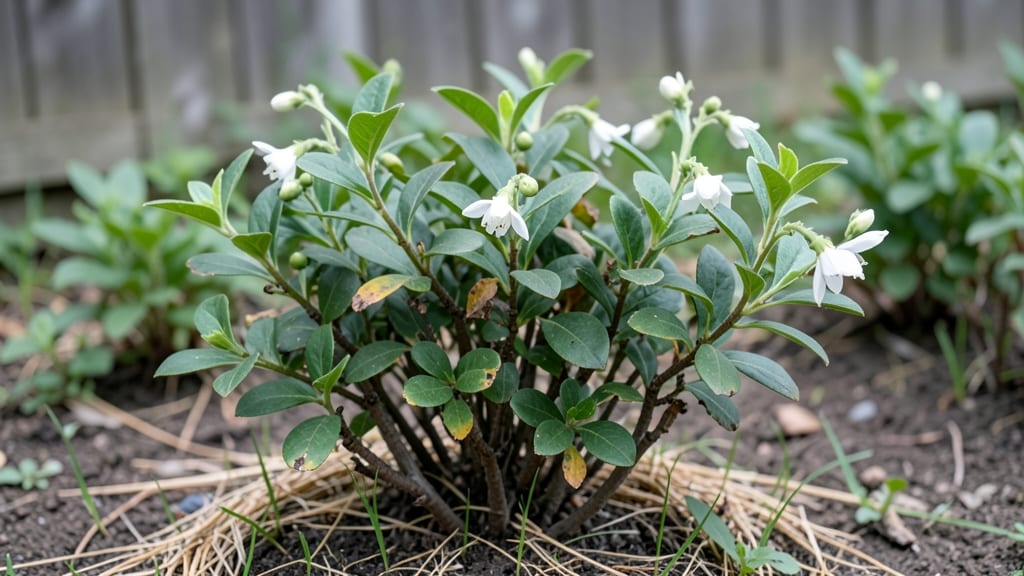
The delicate wild blueberry flowers 🫐 are the secret to a bountiful harvest, but pruning them wrong can leave you with sparse berries next year.
Wild blueberry bushes thrive when properly pruned, but timing your cuts around their delicate flowers can make or break next year’s harvest—here’s exactly when and how to prune for maximum berry production.
If you’ve ever watched your bushes bloom beautifully only to produce just a few berries, you’re not alone. The key lies in understanding when to trim—too early, and you risk cutting off next year’s flowers; too late, and you smother the plant’s growth.
For USDA Zone 6a growers, the best time to prune is late winter or early spring, just as the buds begin to swell but before the flowers appear.
Below, I’ll walk you through the exact steps to prune your wild blueberries for bigger harvests, including how to spot overgrowth, avoid common mistakes, and keep your bushes healthy year after year.
Optimal wild blueberry flower pruning timeline for peak harvests
Pruning your wild blueberry bushes at the right time ensures abundant flower buds for next year’s harvest. These delicate shrubs rely on precise timing to balance flower production and berry size.
Cut too early, and you risk removing next year’s blooms—cut too late, and you may stress the plant during critical growth phases.
The key is understanding how wild blueberry flower buds develop. Unlike highbush varieties, wild blueberries (Vaccinium angustifolium) produce flower buds on one-year-old wood, meaning last year’s growth will bear this year’s blooms. This makes timing even more critical.
In northern climates (Zones 3-5), prune in late winter or early spring before buds swell, while southern growers (Zones 6-7) have a slightly extended window into early spring.
Your late winter pruning should focus on removing dead or diseased wood first. Use clean, sharp pruners to make 45-degree cuts just above a bud or branch collar. Avoid cutting into healthy green stems, as this can expose the plant to pests or fungal infections.
In northern climates, wait until the ground thaws but before bud break—typically February to early March.
In early spring, shift to selective thinning of overcrowded stems. Wild blueberries naturally form clumps of 3-5 stems—anything beyond this competes for nutrients and sunlight, reducing flower bud formation.
Aim to leave 3-5 of the healthiest, most vigorous stems per clump. This opens the canopy, allowing more sunlight to reach inner branches where flower buds develop.
After your harvest in late summer, perform a light pruning to remove fruit-bearing stems. These stems have already fulfilled their purpose and won’t produce next year’s flowers. Cutting them back redirects the plant’s energy toward new growth that will bear next season’s blooms.
This is also the time to remove any weak or spindly growth that didn’t produce well.
Climate plays a critical role in adjusting your timeline. In northern zones (3-5), where winters are harsher, prune earlier in late winter to avoid delayed bud break from cold snaps.
In southern zones (6-7), you can extend pruning into early spring but stop by mid-April to prevent heat stress on new growth. Always monitor local frost dates—pruning too late can stress the plant before it’s ready for summer growth.
One common mistake is pruning during bloom or after flowering. This removes current year’s flower buds and can drastically reduce next year’s harvest. Wild blueberries are spring bloomers, so avoid heavy pruning from April to June.
Instead, focus on light maintenance like removing dead flowers to encourage berry development.
To maximize berry size, pair your pruning with proper fertilization. After pruning in early spring, apply a balanced, acid-loving fertilizer (like 10-10-10) to support new growth.
In northern climates, a light application in early spring is sufficient, while southern growers can add a second feeding in late summer to boost root development before winter.
Finally, mulch your wild blueberry bushes with 2-3 inches of pine needles or peat moss after pruning. This retains moisture, regulates soil temperature, and slowly releases
Signs your wild blueberry bush needs pruning (and when to avoid it)
Your wild blueberry bush might look healthy, but hidden signs of overgrowth or stress can signal it’s time for pruning. Look for crowded branches that block sunlight, dead wood from winter damage, or flower-heavy stems that drain energy from berry production.
These visual cues help you decide when to prune without harming next year’s wild blueberry flowers.
Pruning at the wrong time—like during bloom season—can reduce your berry yield by up to 50%. The key is to act when the bush is dormant but before new growth begins.
This ensures you’re not cutting off potential flower buds that form over winter. Timing is everything for maximizing both plant health and harvest potential.
⚠️ Critical Mistake: Pruning During Bloom
Wild blueberry flowers form on wood from the previous year. If you prune during spring bloom (April-May), you risk removing next year’s berry-producing branches. Wait until after harvest season (September) or in late winter (February) to avoid this costly error.
Start by inspecting your bush for dead or diseased branches. These appear brown and brittle, often with no leaves or signs of life. Remove them immediately—they can spread disease to healthy stems.
Next, look for overcrowded canes competing for sunlight. Thin these out to improve air circulation, which reduces fungal risks like powdery mildew.
Another red flag is flower-laden branches that look like they’re struggling. While flowers are essential, too many can exhaust the plant before berries mature. Aim to prune 10-20% of the oldest canes annually to balance flower production with berry development. This renewal pruning keeps your bush productive for decades.
After pruning, don’t forget post-care steps. Apply a 2-inch layer of mulch around the base to retain moisture and acidify the soil. Water deeply but avoid overwatering, which can drown roots.
A light balanced fertilizer (10-10-10) in early spring will encourage strong new growth without overstimulating flower production too soon.
Use this quick checklist after pruning: ☑️ Remove all dead/diseased wood, ☑️ Thin crowded canes, ☑️ Prune at a 45-degree angle above a bud, ☑️ Sterilize tools with rubbing alcohol, ☑️ Monitor for new growth in 2-3 weeks.
Following these steps ensures your bush stays healthy and productive year after year.