
Flowers
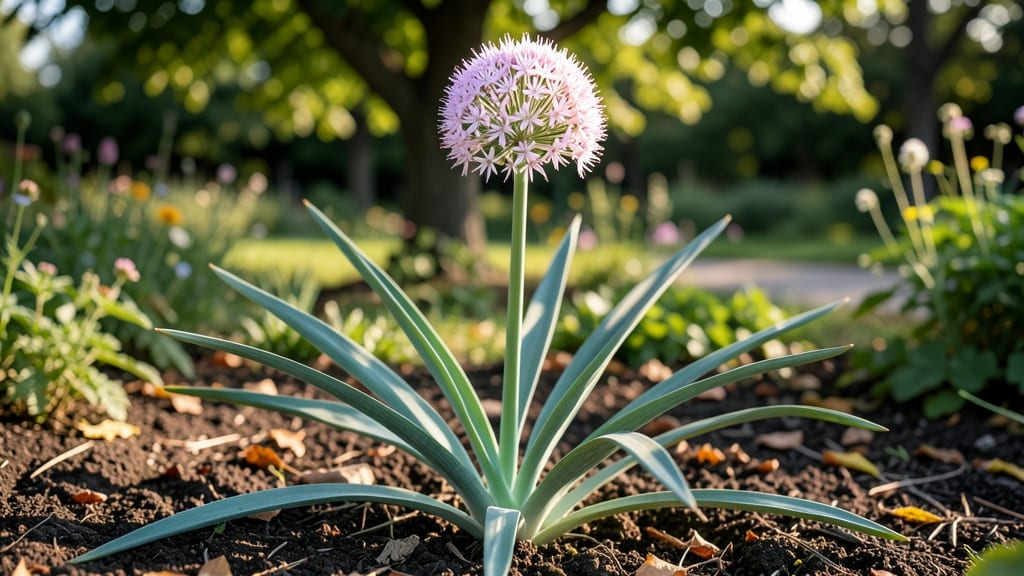
Wild leek flowers bring a delicate, edible charm to gardens and plates alike, blooming with star-shaped blossoms that hummingbirds adore.
Imagine plucking vibrant, edible flowers straight from your garden—wild leek flowers aren’t just beautiful, they’re a culinary gem that adds delicate flavor and striking color to salads, teas, and garnishes. But how do you grow, harvest, and use them safely?
These native wildflowers thrive in woodland gardens and cottage landscapes, pairing perfectly with ferns, hostas, and other shade-loving perennials. Their late spring blooms attract pollinators while adding a unique touch to wildflower meadows.
Below, you’ll discover how to integrate them into your garden design, when to harvest for peak flavor, and creative ways to use these edible blooms—both in the landscape and on your plate.
How to identify and grow wild leek flowers in your garden
Wild leek flowers, also known as ramps (Allium tricoccum), are a stunning woodland native that thrives in shaded gardens. These edible blooms produce delicate, star-shaped flowers in clusters, adding both beauty and flavor to your landscape.
Unlike their pungent leaves, the flowers offer a milder, sweeter taste perfect for garnishes or teas.
Growing wild leeks from seed or division is rewarding but requires patience—plants take 2-3 years to mature and flower. The key lies in mimicking their natural woodland habitat: moist, well-drained soil with partial shade.
Once established, they’ll spread slowly, creating lush, low-maintenance patches that attract pollinators like bees and butterflies.
Choose the Right Location
Select a shady to partially shaded spot with moist, well-draining soil. Wild leeks thrive under deciduous trees or along forest edges, where they receive dappled sunlight for 2-4 hours daily.
Prepare the Soil
Amend the soil with compost or leaf mold to improve moisture retention. Avoid heavy clay or sandy soils—wild leeks prefer humus-rich, slightly acidic soil (pH 6.0-7.0). Test your soil and adjust with peat moss or aged compost if needed.
Plant Wild Leeks
Plant seeds, bulbs, or divisions in early spring (March-April) or fall (September-October). Space divisions 6-12 inches apart and cover with 1-2 inches of soil. Seeds require stratification—plant them in fall or cold-treat for 60 days before sowing.
Water Consistently
Keep soil evenly moist but not soggy. Water deeply 1-2 times per week in dry spells, focusing on the root zone. Mulch with leaf litter or shredded bark to retain moisture and suppress weeds—this mimics their natural woodland floor environment.
Fertilize Lightly
Use a balanced, organic fertilizer (5-10-10) once in early spring to encourage growth. Avoid high-nitrogen fertilizers, which can make leaves too robust and delay flowering. Compost tea or fish emulsion applied monthly during active growth (March-June) works well.
Encourage Flowering
To promote flower production, ensure plants receive adequate light (partial shade) and minimal disturbance. Deadhead spent flowers to redirect energy to bulb development, which supports future blooms. Flowers typically appear in late spring (May-June) after 2-3 years of growth.
Wild leeks pair beautifully with native woodland plants like trillium, bloodroot, and ferns. These companion plants create a lush, layered garden that thrives in shade while attracting pollinators. Avoid planting near aggressive ground covers like mint or creeping charlie, which can choke out young leeks.
Harvesting wild leek flowers is simple: snip stems just above the leaves when buds are fully open but before they brown. Use clean, sharp scissors to avoid damaging the plant.
Flowers last 3-5 days in a vase with fresh water—add a splash of vinegar to extend their life and enhance their delicate onion-garlic aroma.
If you’re growing wild leeks for culinary use, focus on leaves first—they’re most flavorful before flowering. However, the flowers add a subtle, floral note to dishes. Try infusing them into honey, vinegar, or olive oil for a unique twist on classic flavors.
Just remember: moderation is key—wild leeks contain allicin, which can be harsh in large quantities.
For organic gardeners, wild leeks are a low-maintenance, sustainable choice. They self-seed over time, creating natural colonies. To propagate, divide mature clumps in early spring or fall, ensuring each section has 3-5 bulbs. This method preserves genetic diversity and strengthens your garden’s resilience.
🌿 With the right conditions, wild leek flowers will reward you with years of blooms and a touch of woodland magic in your garden. Start small, be patient, and soon you’ll be harvesting these edible jewels straight from your shade garden! 🌸
Edible uses of wild leek flowers: recipes and culinary tips
Wild leek flowers (Allium tricoccum) offer a delicate onion-garlic flavor with a mild sweetness, making them perfect for gourmet dishes. Their vibrant purple-pink blooms also add stunning visual appeal to plates.
But before using them, always confirm proper identification—never consume if you're unsure, as some lookalikes are toxic.
These edible flowers shine in salads, teas, and garnishes, but their versatility extends to infused oils, syrups, and even desserts. The key is harvesting at peak bloom when petals are fully open but still firm. Always wash gently to remove dirt or insects before culinary use.
- 1 Floral Infusions: Steep 1 cup wild leek flowers in 1 quart olive or sunflower oil for 2 weeks. Strain and use as a drizzle for pasta or dipping sauce for crusty bread.
- 2 Herbal Tea Blends: Combine 1 tbsp dried flowers with peppermint or chamomile for a soothing digestive tea. Steep in hot water for 5-7 minutes.
- 3 Garnish Mastery: Use whole flowers as a plate garnish for soups, cheese boards, or seafood dishes. Their bright color contrasts beautifully with creamy or dark backgrounds.
- 4 Sweet Applications: Infuse honey or simple syrup with flowers for a floral glaze on pancakes or fruit salads. The flavor pairs well with berries or citrus.
- 5 Safety First: Never eat flowers treated with pesticides or herbicides. Harvest from organic gardens or pesticide-free wild areas only.
For best results, pair wild leek flowers with complementary flavors like goat cheese, honey, or fresh herbs. Their subtle allium notes enhance dishes without overpowering. Store fresh flowers in the fridge for up to 3 days or dry them for later use.
Pro tip: Freeze dried flowers in ice cubes for a flavorful garnish in cocktails or cocktails. Their visual appeal makes them a chef’s secret weapon for elevating simple dishes into showstoppers.
Always remember: Moderation is key. While wild leek flowers are edible, their mild toxicity in large quantities means they should be treated as a seasoning, not a staple. When in doubt, start with small amounts.