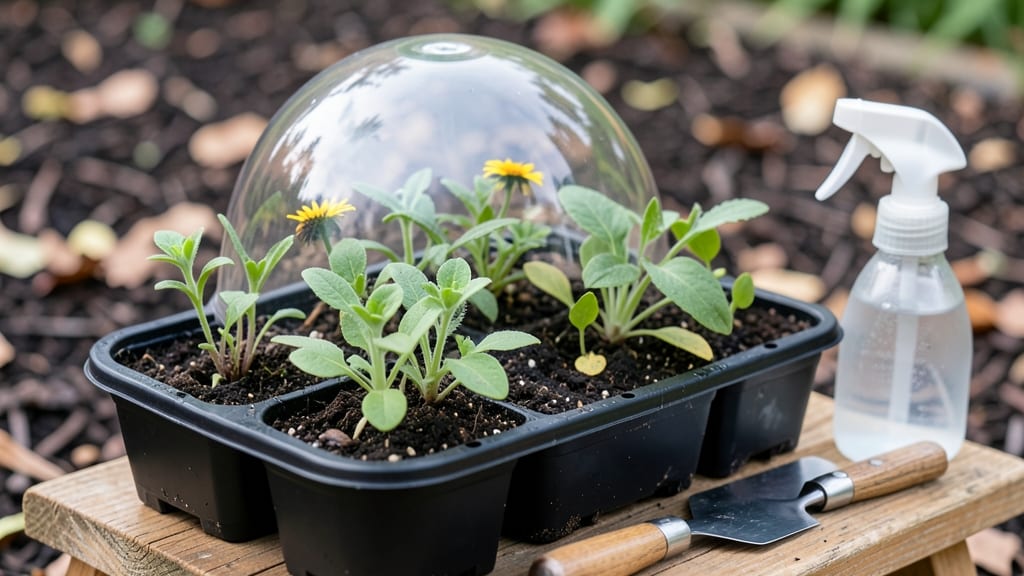
Understanding the wildflower germination time 🌼 can turn a patch of bare soil into a vibrant meadow—if you know the tricks.
Struggling to get your wildflower seeds to sprout? The secret to faster germination isn’t heat—it’s cold moisture, and understanding the exact wildflower germination time can double your success rate.
Most wildflowers need 7 to 21 days to break through the soil, but some perennials take up to 60 days if conditions aren’t right. The key? Mimicking nature’s chilling cycles with simple moisture tricks.
In this guide, I’ll break down the ideal timing for fall vs. spring planting, how to prep your seeds for speed, and the one mistake that keeps gardeners waiting months for sprouts.
Wildflower germination time: how long until sprouts appear?
Wildflower seeds are nature’s patience test—some sprout in just 5 days, while others need up to 6 weeks to break dormancy. The key difference? Whether they’re annuals (fast growers) or perennials (slow starters).
I’ve planted cosmos seeds that popped in 7 days and black-eyed Susans that took 3 weeks—same conditions, different timelines. Let’s break down what’s really happening underground and how to predict your sprouts.
Most wildflower seeds need consistent moisture and cool temperatures to germinate, but the exact timing depends on the species. Annuals like zinnias often sprout within 7–14 days, while perennial wildflowers such as coneflowers or bee balm can take 2–4 weeks.
Even within the same family, germination windows vary—sunflowers might appear in 5–10 days, but their giant varieties take 2–3 weeks longer. Understanding these ranges helps you set realistic expectations and avoid premature digging.
Here’s the golden rule: Cold, moist soil speeds up germination for most wildflowers. Think of it like waking a hibernating bear—stratification (a cold treatment) mimics winter conditions and breaks seed dormancy.
In my Zone 6a garden, I’ve found that fall-sown seeds often sprout faster in spring because they’ve already experienced natural stratification. If you’re planting in spring, consider pre-chilling seeds for 1–2 weeks in the fridge to mimic winter’s work.
Soil temperature plays a huge role—most wildflowers germinate best between 60–75°F, but some, like lupines, prefer cooler soils (50–60°F). If your soil is too warm, germination slows or fails entirely.
I once planted California poppies in 80°F soil and waited 6 weeks for sprouts—only to realize they’d needed cooler conditions. Always check your seed packet for ideal soil temps, and use a soil thermometer to monitor conditions.
Moisture is just as critical as temperature. Wildflower seeds need even moisture to stay hydrated, but they’ll rot if overwatered. The best method? Keep the soil consistently damp (like a wrung-out sponge) without soggy pockets.
I use a spray bottle for small seedbeds and a drip irrigation line for larger areas. Pro tip: Water in the early morning to reduce fungal risks and let excess moisture evaporate before nightfall.
Light also affects germination—most wildflowers need some light to sprout, so avoid burying seeds deeper than 1/4 inch. Sunflowers and cosmos are exceptions; they can handle slightly deeper planting.
If you’re sowing in low-light areas, consider starting seeds in a sunny windowsill or under grow lights until they’re 2 inches tall before transplanting.
| Wildflower Type |
Germination Time |
Ideal Soil Temp (°F) |
Best Planting Time |
Notes |
| Annuals (Fast) |
5–14 days |
60–75°F |
Spring or Fall |
Zinnias, cosmos, sunflowers |
| Perennials (Slow) |
2–6 weeks |
50–65°F |
Fall (best) or Early Spring |
Coneflowers, bee balm, black-eyed Susans |
| Native Wildflowers |
7–21 days |
55–70°F |
Fall or Spring |
Lupines, goldenrod, milkweed |
| Shade-Tolerant |
14–30 days |
50–60°F |
Spring (after frost) |
Foxgloves, columbine, astilbe |
D
Cold moisture tricks to speed up wildflower germination
Wildflower seeds often need a little help breaking their natural dormancy to sprout faster. While many gardeners focus on warmth, the real secret lies in cold moisture techniques that mimic natural winter conditions.
These methods can cut your wildflower germination time by 30-50%, giving you vibrant blooms sooner. The key is understanding how to prepare seeds before planting—without needing fancy equipment.
Most wildflower seeds require one of three cold treatments: stratification, scarification, or chilling. Each method tricks seeds into thinking they’ve survived winter, breaking dormancy so they’ll germinate more reliably.
For example, black-eyed Susans and coneflowers often need stratification, while lupines respond well to scarification. Let’s dive into the simplest DIY techniques you can try at home.
🌱 Step-by-Step Cold Moisture Prep for Faster Germination
-
1. Stratification (Cold Moisture Treatment)
Mix seeds with moist peat moss or sand in a sealed bag. Store in your fridge’s crisp drawer for 4-8 weeks (adjust for seed type).
-
2. Scarification (Seed Coat Softening)
Rub seeds between sandpaper or coarse grit to scratch the outer shell, then soak in lukewarm water for 12-24 hours before planting.
-
3. Chilling (Quick Cold Shock)
Place dry seeds in a zip-top bag with a damp paper towel. Freeze for 24-48 hours, then thaw before sowing.
-
4. Outdoor Cold Exposure
Sow seeds in late fall (before frost) and let winter handle the work. Cover with light mulch to retain moisture.
-
5. Post-Treatment Planting
Sow treated seeds 1/4-inch deep in well-draining soil. Keep moist (not soggy) until sprouts appear in 7-21 days.
⏱️ Pro Tip: Label each bag with the seed type and treatment date to track progress!
Don’t overcomplicate it—even a simple paper towel method works wonders. Fold a damp paper towel around your seeds, place it in a sealed bag, and refrigerate for 2 weeks.
This mimics the natural moisture and cold that wildflowers experience in their native habitats. Test a few seeds first to see which method works best for your specific mix.
Timing matters too. For spring planting, start treatments in January-February. If sowing in fall, treat seeds in September-October so they’re ready to sprout early next year.
Patience is key—some seeds need up to 8 weeks of cold to break dormancy, but the wait pays off with stronger, hardier plants.
Once your seeds are prepped, maintain consistent moisture in the soil. Use a light misting or drip irrigation to avoid washing seeds away, and place a clear plastic dome over seedlings until they’re established.
Within 2-4 weeks, you’ll see those first tiny sprouts pushing through the soil—a reward for your cold moisture tricks!
Remember, every wildflower species has unique needs. Experiment with these methods on a small scale first, then scale up what works best for your garden. With the right cold moisture treatment, you’ll transform wildflower germination time from a slow wait into a quick, rewarding process. Happy planting! 🌿
★★★★★4.7(3 reviews)
|