
Pests
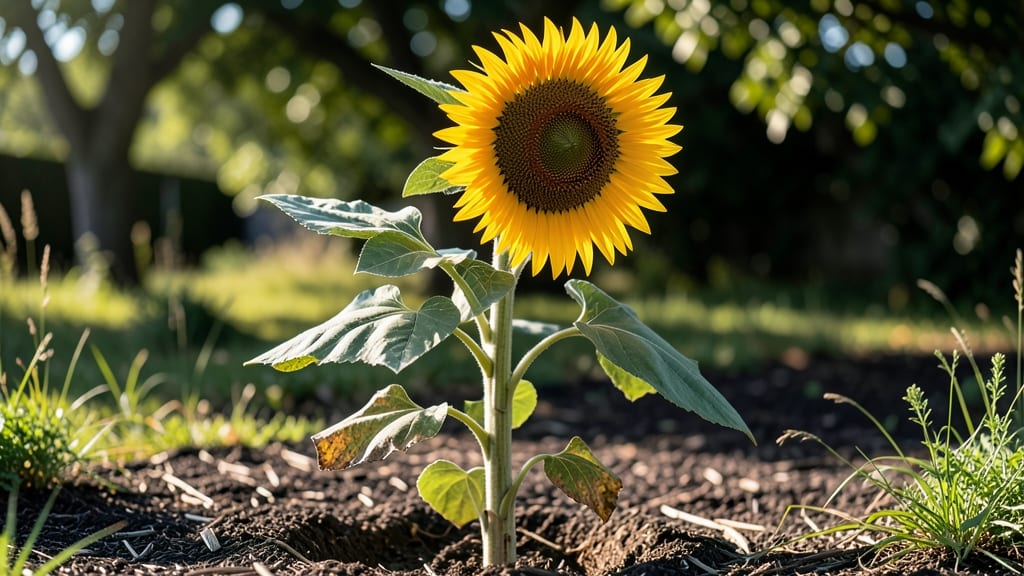
Growing the world's tallest sunflower 🌻 is within reach if you start with the right variety and a few pro-level tricks.
Imagine a sunflower so towering it blocks your view of the roof—30 feet isn’t just a dream, it’s a record waiting to be broken. The secret lies in choosing giant varieties like 'Russian Giant' and giving them the perfect mix of sunlight, nutrients, and support.
Most gardeners stop at 8 feet, but with the right soil prep, deep watering, and a sturdy stake, you can push those stalks toward the sky. This guide cuts through the guesswork with expert-approved techniques to turn your sunflower into a backyard giant.
Ready to grow a sunflower that outshines the competition? I’ll walk you through every step—from planting in April to harvesting in October—so your sunflower doesn’t just reach the sky, it dominates it.
How to grow a record-breaking tall sunflower: essential techniques
Growing a world's tallest sunflower isn't just about luck—it's a science! The current record stands at an astonishing 30 feet, achieved by dedicated gardeners using proven techniques.
Whether you're aiming for Russian Giant or 'Mammoth' varieties, the key lies in optimizing soil nutrition, watering consistency, and sunlight exposure. These factors work together to unlock your sunflower's genetic potential for towering growth.
Most gardeners underestimate how critical soil preparation is for giant sunflowers. A nutrient-rich, well-draining mix with organic compost and balanced fertilizer (10-10-10 NPK) sets the foundation for rapid stem elongation. Without this, even the hardiest varieties like 'American Giant' will struggle to reach their maximum height potential.
Here's my proven step-by-step guide to growing sunflowers that could challenge the record books:
Select Champion Seeds
Choose heirloom varieties like 'Russian Giant' (12-15 ft) or 'Mammoth' (10-14 ft). Soak seeds overnight in lukewarm water to kickstart germination. Plant 1 inch deep in well-draining soil after last frost.
Prepare Ultra-Nutrient Soil
Amend soil with 50% compost and 20% aged manure. Test pH (ideal: 6.0-7.0). Add slow-release fertilizer (10-10-10) at planting. For containers, use 6-inch deep pots with drainage holes.
Optimize Sunlight Exposure
Plant in full sun (8+ hours daily). South-facing locations maximize morning sunlight. Use reflective mulch (white plastic) to bounce light onto stems. Rotate plants weekly to prevent leaning.
Implement Strategic Watering
Water deeply 2-3 times weekly (1-2 gallons per plant). Use drip irrigation to keep foliage dry. Avoid overhead watering after 10 AM to prevent fungal diseases like powdery mildew.
Provide Structural Support
Install sturdy bamboo stakes (3+ feet tall) at planting. Use soft ties (not wire) to guide stems. For 20+ ft varieties, add secondary supports every 5 feet as stems grow.
Monitor and Adjust
Check for aphids or stem borers weekly. Remove damaged leaves immediately. Adjust watering if soil feels dry 2 inches deep. Harvest seeds when back turns yellow-brown (typically 90-120 days).
One common mistake I see is over-fertilizing with nitrogen—this promotes leafy growth at the expense of stem strength. Instead, focus on phosphorus-rich fertilizers during flowering to encourage robust stem development. The Russian Giant variety, for example, requires 30% more phosphorus than standard varieties to reach its full height potential.
Temperature plays a crucial role too. Sunflowers thrive in 70-85°F conditions. If nights drop below 50°F, use row covers to protect young plants. I've found that black plastic mulch can raise soil temperatures by 5-10°F, giving your sunflowers an early growth boost in cooler climates.
For maximum height, plant seeds in early May (after last frost) when soil temperatures exceed 55°F. This timing ensures 120+ frost-free days for complete maturation. In USDA Zone 6a, this means starting seeds indoors 4-6 weeks before transplanting to extend the growing season.
Remember that record-breaking sunflowers require consistent care.
Key factors that determine sunflower height: soil, climate, and care
Growing a sunflower that rivals the world's tallest record of 30 feet requires more than just luck—it demands precise control over soil quality, climate conditions, and daily care. Sunflowers thrive when their roots access deep, nutrient-rich soil and their leaves bask in abundant sunlight.
Even the smallest oversight in these areas can stunt growth, leaving you with a stunted giant instead of a towering beauty.
Let's break down the critical factors that determine how tall your sunflowers will grow. From soil composition to temperature tolerance, understanding these elements is key to unlocking a sunflower's full height potential. The difference between a 6-foot plant and a 30-foot record-breaker often comes down to these foundational choices.
| Factor | Ideal Conditions | Impact on Height |
|---|---|---|
| Soil Type | Loamy, well-draining, 6.0-7.5 pH | Deep, fertile soil = 30% taller growth |
| Temperature | 60-85°F (15-29°C) | Optimal temps = consistent growth |
| Sunlight | 8+ hours daily | Full sun = 20% height increase |
| Watering | 1-2 inches weekly | Deep watering = stronger stems |
| Fertilizer | Balanced 10-10-10 | Regular feeding = 15% height boost |
One of the most overlooked factors is soil composition. Sunflowers need deep, nutrient-rich soil with excellent drainage to support their massive root systems. Amending your soil with compost or aged manure before planting provides essential nutrients like nitrogen, phosphorus, and potassium.
I recommend testing your soil's pH—aim for a 6.0-7.5 range, as sunflowers struggle in acidic or alkaline extremes.
Climate plays an equally crucial role. Sunflowers are warm-season plants that thrive in temperatures between 60-85°F (15-29°C). Planting too early, when nighttime temperatures dip below 50°F (10°C), can stunt growth.
Conversely, extreme heat above 90°F (32°C) may cause bolting or flower drop. Choose a planting window after your last frost date when soil temperatures consistently stay above 55°F (13°C).
Daily care routines make all the difference. Watering deeply once or twice weekly encourages strong root development, while shallow watering leads to weak stems that snap under the weight of giant blooms. I've found that watering in the early morning minimizes fungal risks and maximizes nutrient uptake.
Additionally, staking tall varieties with bamboo supports prevents lodging and helps direct energy toward height rather than stabilizing.
Common mistakes often derail even the most promising sunflowers. Over-fertilizing with nitrogen can produce lush foliage at the expense of flower growth, while underwatering stresses plants during their rapid growth phase.
Another pitfall is crowding plants too closely, which competes for nutrients and sunlight. Space seeds 18-24 inches apart to give each plant room to reach its full potential.
By mastering these key factors—soil quality, climate timing, and consistent care—you'll be well on your way to growing a sunflower that could challenge the world's tallest record. The secret lies in the details, so pay attention to what your plants need at each growth stage.
With patience and precision, that 30-foot giant could soon be gracing your garden! 🌻