
Diseases
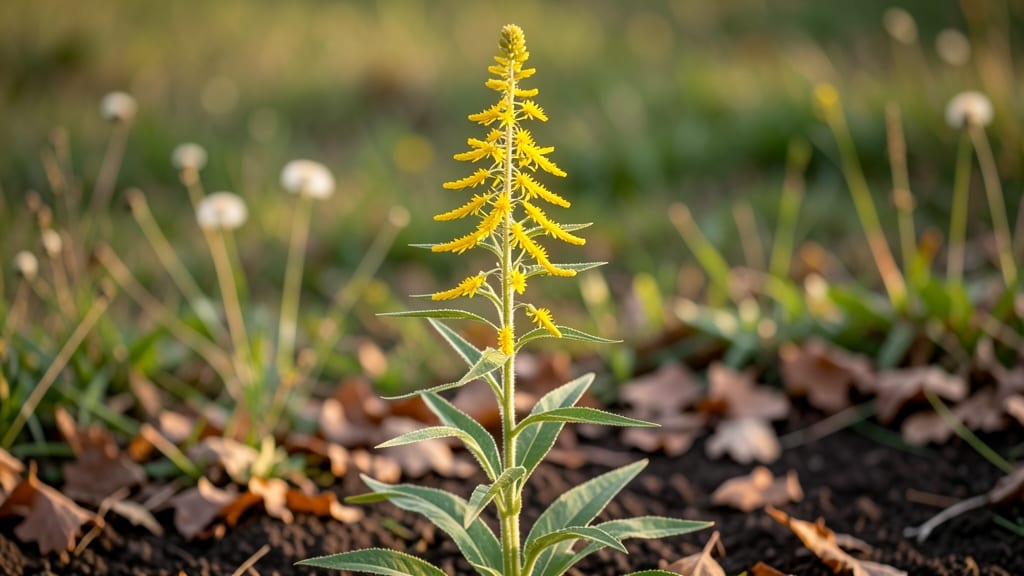
A yellow flower stalk on your sunflower 🌻 is a red flag—it’s your plant’s way of signaling trouble before it’s too late.
You’ve poured time and care into growing those towering blooms, only to notice the stalks turning pale and weak. That yellowing isn’t just cosmetic; it’s a cry for help, often tied to overwatering, hidden nutrient gaps, or even sneaky fungal hitchhikers.
Don’t panic—most of these issues are reversible with the right tweaks. Whether it’s adjusting your watering schedule, boosting magnesium levels, or spotting early powdery mildew, this guide breaks down the five most common causes and exactly how to fix them before your sunflower’s health spirals.
By the end, you’ll know when to prune, when to wait, and how to keep your stalks vibrant from April’s planting all the way through September’s harvest.
5 Common causes of yellow flower stalk in plants (with visual clues)
When your sunflowers or other flowering plants develop yellow flower stalks, it’s rarely a good sign—but it’s almost always fixable. The key is identifying the exact cause by examining the color intensity, texture changes, and plant behavior.
Yellowing can signal anything from nutrient deficiencies to fungal infections, and each requires a different solution. Let’s break down the most common culprits and how to spot them.
Start by inspecting the stalk’s color: Is it a pale yellow, deep yellow, or yellow with brown spots? Next, check the leaves—are they wilting, curled, or covered in spots? These clues will help you pinpoint whether your plant is thirsty, starving, or battling pests.
The good news? Most yellow flower stalk issues respond quickly to targeted care once you know the root cause.
Pale yellow stalks with green veins in leaves? Your plant is starving for nitrogen or magnesium. Check soil pH—ideal range is 6.0–7.0 for most flowers.
Yellow stalks with mushy texture and root rot smell? Your plant is drowning. Test soil moisture—it should feel like a wrung-out sponge, not a swamp.
Yellow stalks with white powdery patches? Powdery mildew thrives in humid, shaded conditions. Spray with neem oil or baking soda solution (1 tsp per quart of water).
Yellowing stalks with sticky residue (aphids) or fine webbing (spider mites)? Wipe leaves with soapy water or introduce ladybugs as natural predators.
Sudden yellowing after hot days or replanting? Provide afternoon shade and mulch to retain moisture. Avoid fertilizing stressed plants for 2–4 weeks.
Let’s tackle nutrient deficiencies first, as they’re the most common culprit for yellow flower stalks. If your plant’s stalks are turning a pale yellow while the veins remain green, it’s likely a nitrogen deficiency.
Nitrogen is essential for leaf and stalk development, and a lack of it causes older leaves and stalks to yellow first. Test your soil with a DIY kit (available at garden centers for under $10) to confirm the issue.
For magnesium deficiencies, look for interveinal yellowing—where the area between leaf veins turns yellow while the veins stay green. This is a classic sign of chlorosis, often caused by high soil pH or poor magnesium availability.
Amend your soil with Epsom salt (1 tablespoon per gallon of water) every 2–3 weeks until the yellowing stops. Always water deeply after application to prevent root burn.
If your yellow flower stalks feel soft or mushy to the touch, overwatering is likely the culprit. Root rot thrives in waterlogged soil, cutting off oxygen to the roots and causing stalks to yellow and collapse.
Improve drainage by adding perlite or sand to heavy soils, and ensure pots have drainage holes. Water only when the top 1–2 inches of soil are dry—stick your finger in the soil to check.
Fungal infections like powdery mildew often appear as yellow stalks with white powdery spots. This fungus spreads rapidly in humid, shaded conditions, especially on plants like roses, zinnias, and sunflowers.
Prune affected stalks immediately and apply a fungicide spray (like neem oil) every 7–10 days until the issue resolves. Improve airflow around your plants by spacing them properly and avoiding overhead watering.
Pests such as aphids or spider mites can also cause yellowing stalks by sucking sap and weakening the plant. Check the undersides of leaves for tiny insects or fine webbing.
Blast them off with a strong spray of water or use an insecticidal soap. For severe infestations, introduce beneficial insects like ladybugs or lacew
How to revive a yellowing flower stalk: step-by-step fixes by problem
Yellow flower stalks often signal stress, but with the right approach, you can revive your plant and restore those vibrant blooms. The key is identifying the specific cause—whether it’s nutrient deficiency, overwatering, or pest damage—and addressing it immediately.
Let’s break down the fixes by problem so you can take action fast.
Start by examining the stalk’s texture and leaf condition. Soft, mushy stalks usually mean overwatering, while crispy, dry ones point to underwatering. Yellowing paired with spots or powdery residue likely indicates fungal infection or pest activity. Once you pinpoint the issue, follow the tailored steps below.
Yellowing flower stalks can quickly spread to healthy parts of your plant. If left untreated, fungal diseases like powdery mildew or bacterial infections can kill your plant within days. Always act within 48 hours of noticing yellowing to prevent permanent damage.
Pro Tip: Isolate affected plants immediately to stop the spread to nearby flowers or foliage.
For nutrient deficiencies, like a lack of magnesium or nitrogen, amend your soil with Epsom salt (1 tbsp per gallon of water) or a balanced fertilizer. Water the base of the plant thoroughly, ensuring the solution reaches the roots.
Repeat every 2-3 weeks until the yellowing subsides. Look for new growth as a sign of improvement.
If overwatering is the culprit, adjust your watering schedule to every 5-7 days instead of daily. Ensure your pots have drainage holes and use well-draining soil.
For container plants, let the top 1-2 inches of soil dry out before watering again. This helps prevent root rot, which often causes yellow stalks.
When pests like aphids or spider mites are to blame, spray the affected areas with a mix of water and neem oil (1 tsp per quart of water). Focus on the undersides of leaves and the base of the flower stalk.
For severe infestations, use an insecticidal soap and repeat every 3-5 days until the pests are gone.
Environmental factors, such as too much shade or extreme heat, can also cause yellowing. Move your plant to a sunnier spot (6+ hours of sunlight) or provide afternoon shade if temperatures exceed 90°F.
Mulch around the base to regulate soil temperature and retain moisture, which supports healthier stalk growth.
Finally, if the stalk is completely brown and crispy, it’s likely dead and should be pruned. Cut it back to the healthiest green growth just above a leaf node to encourage new blooms. This not only revives your plant but also promotes fuller, stronger growth in the future.