
Plants
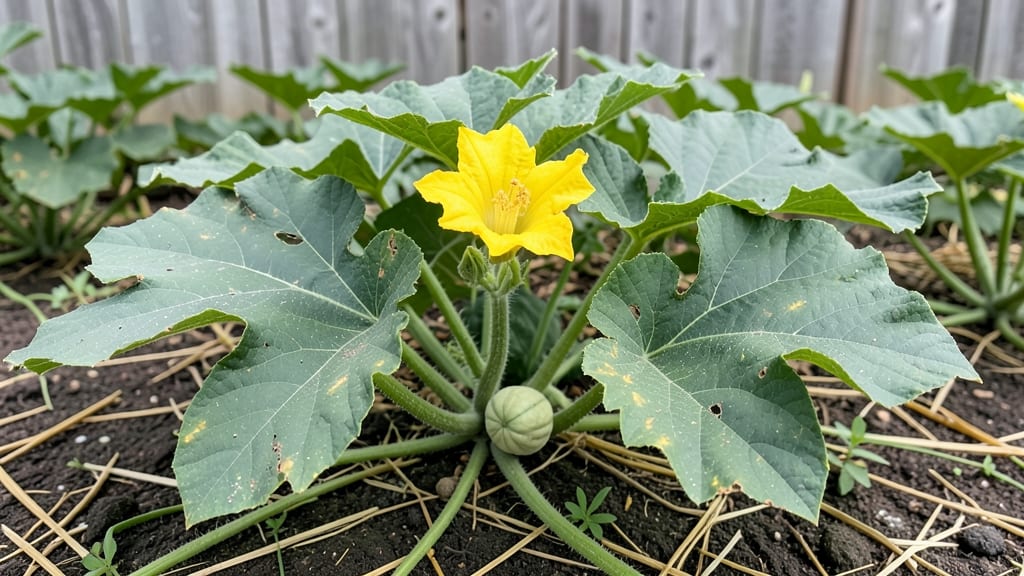
Growing a yellow flowered gourd 🎃 transforms your garden into a sunlit canvas of trailing vines and golden blooms—without the fuss of fussy annuals.
Imagine your garden bursting with vibrant yellow blooms and lush, trailing vines—yellow flowered gourds bring both beauty and productivity to any outdoor space. These versatile plants thrive with the right care, offering stunning flowers, edible fruits, and even decorative gourds for fall displays.
Unlike picky perennials, these gourds love full sun and well-drained soil, making them perfect for USDA Zone 6a gardeners. Plant them in April-May after the last frost, and you’ll soon have vines stretching toward the sky—ready to reward you with harvests from August to October.
In this guide, I’ll walk you through selecting the best varieties, planting for success, and keeping your vines thriving. You’ll discover how to maximize those showstopping yellow flowers, troubleshoot common issues, and turn your garden into a gourd lover’s paradise.
Identifying and selecting the best yellow flowered gourd varieties
Yellow flowered gourds add a sunshine pop to any garden while providing edible fruits or decorative gourds. The best varieties combine vibrant blooms, high productivity, and adaptability to your climate. Whether you're growing for culinary use or ornamental displays, selecting the right type ensures success.
Not all gourds produce yellow flowers—focus on Cucurbita species like C. pepo and C. maxima, or ornamental Lagenaria varieties. These species thrive in warm climates (USDA Zones 4-11) and reward gardeners with abundant blooms and unique fruits.
Here’s a breakdown of my top yellow-flowered gourd varieties, tailored for maximum blooms and productivity:
| Variety | Type | Flower Color | Fruit Use | Mature Size | Days to Harvest | Climate Zone |
|---|---|---|---|---|---|---|
| Golden Cushaw (Cucurbita pepo) | Edible | Bright yellow | Culinary (sweet, nutty) | 10-20 ft vine | 90-100 days | 4-11 |
| Tiffany (Lagenaria siceraria) | Ornamental | Golden-yellow | Decorative (dried gourds) | 15-25 ft vine | 100-120 days | 5-10 |
| Hubbard (Cucurbita maxima) | Edible | Deep yellow | Culinary (pumpkin-like) | 20-30 ft vine | 100-120 days | 3-10 |
| Golden Delicious (Cucurbita pepo) | Edible | Lemon-yellow | Culinary (squash) | 10-15 ft vine | 80-90 days | 4-11 |
| Turkish Towel (Lagenaria siceraria) | Ornamental | Pale yellow | Decorative (textured gourds) | 12-20 ft vine | 110-130 days | 5-9 |
The Golden Cushaw stands out for its sweet, nutty flavor and prolific yellow blooms, making it ideal for culinary gardens. Its compact vine size (10-20 ft) suits smaller spaces, while still producing large, edible fruits.
For ornamental appeal, the Tiffany gourd offers golden-yellow flowers and intricate dried gourds, perfect for fall decor.
If you live in cooler climates (Zones 3-5), opt for Hubbard gourds, which thrive in shorter seasons and produce deep yellow flowers with hearty fruits. Their larger vine size (20-30 ft) requires trellising but rewards with abundant harvests.
For quick results, Golden Delicious matures in just 80-90 days, ideal for short-season gardens.
For textured decorative gourds, the Turkish Towel variety produces pale yellow blooms and unique, ribbed fruits. These gourds dry beautifully for craft projects and holiday displays, thriving in warmer climates (Zones 5-9). Always check your last frost date—most yellow-flowered gourds need 90-120 frost-free days to mature.
When selecting varieties, prioritize sunlight exposure and soil drainage. Yellow-flowered gourds demand full sun (6+ hours) and well-draining soil to prevent rot and mildew. Amend heavy soils with compost or sand to improve airflow.
In container gardens, choose compact varieties like Golden Delicious and use large pots (15+ gallons) with drainage holes.
Pro tip: Plant multiple varieties to attract pollinators and boost fruit set. Bees love yellow gourd flowers, increasing your chances of successful pollination. Save seeds from your healthiest plants for next year’s garden experiments—many gourds self-pollinate reliably.
🌱
Step-by-step guide to planting and early care for healthy vines
Yellow flowered gourds need the perfect start to grow into those lush, blooming vines you dream of. The key lies in soil preparation, sunlight exposure, and proper spacing—all critical for robust early growth.
I’ve planted these beauties for years, and I’ve learned that skipping these steps can mean fewer flowers and smaller fruits. Let’s get your vines off to the best possible start!
First, test your soil pH—yellow flowered gourds thrive in slightly acidic to neutral soil (pH 6.0-7.0).
If your soil is too alkaline, amend it with compost or peat moss to lower the pH. Poor drainage is another enemy, so raise beds or mix in sand or perlite if your soil feels compacted.
These plants are heavy feeders, so enriching the soil now will pay off in vibrant blooms and abundant harvests.
How to Plant Your Yellow Flowered Gourds
- 1 Choose the right location: Select a spot with full sun (6+ hours daily) and shelter from strong winds. Gourds love warmth, so wait until after the last frost (typically mid-April in Zone 6a) to plant.
- 2 Prepare the soil: Loosen soil to a depth of 12 inches, removing rocks and weeds. Mix in 2-3 inches of compost or well-rotted manure to boost nutrients. For heavy clay soil, add sand or coconut coir to improve drainage.
- 3 Plant seeds at the right depth: Sow seeds 1 inch deep and 3-4 feet apart (they’ll spread!). If planting in rows, space rows 5-6 feet apart to allow vines to sprawl. For trellised varieties, plant 6 inches from support structures.
- 4 Water thoroughly after planting: Give seeds a deep watering to settle soil around them. Keep soil consistently moist (not soggy) until germination, which takes 7-14 days in warm conditions. Use a soaker hose to avoid disturbing seeds.
- 5 Apply starter fertilizer: Once seedlings emerge, feed with a balanced fertilizer (10-10-10) at half-strength. This encourages strong root and vine development. Reapply every 4-6 weeks during the growing season to maintain blooms and fruit production.
After planting, mulch around the base with straw or shredded leaves to retain moisture and suppress weeds. This is especially important in hot, dry climates where soil can dry out quickly.
Mulch also helps regulate soil temperature, which is crucial for yellow flowered gourds—they love warmth but can struggle in extreme heat. Aim to keep mulch 2-3 inches thick but avoid piling it against stems to prevent rot.
Watering is another critical early-care task. Deep watering—1-2 inches per week—is better than frequent shallow drinks. Water early in the morning to reduce evaporation and fungal risks. If you notice wilting leaves during the day, it’s a sign your gourds need more water.
However, avoid overwatering, as soggy soil can lead to root rot and fewer blooms. A simple trick? Stick your finger 1 inch into the soil—if it’s dry, it’s time to water.
Finally, watch for early signs of stress like yellowing leaves or stunted growth. These often signal nutrient deficiencies or pests. A quick fix? Side-dress with compost tea or fish emulsion for a nutrient boost.
For pests like squash bugs, handpick them early in the morning when they’re sluggish. With these steps, your yellow flowered gourds will be well on their way to a bloom-filled, productive season!