
Vegetables
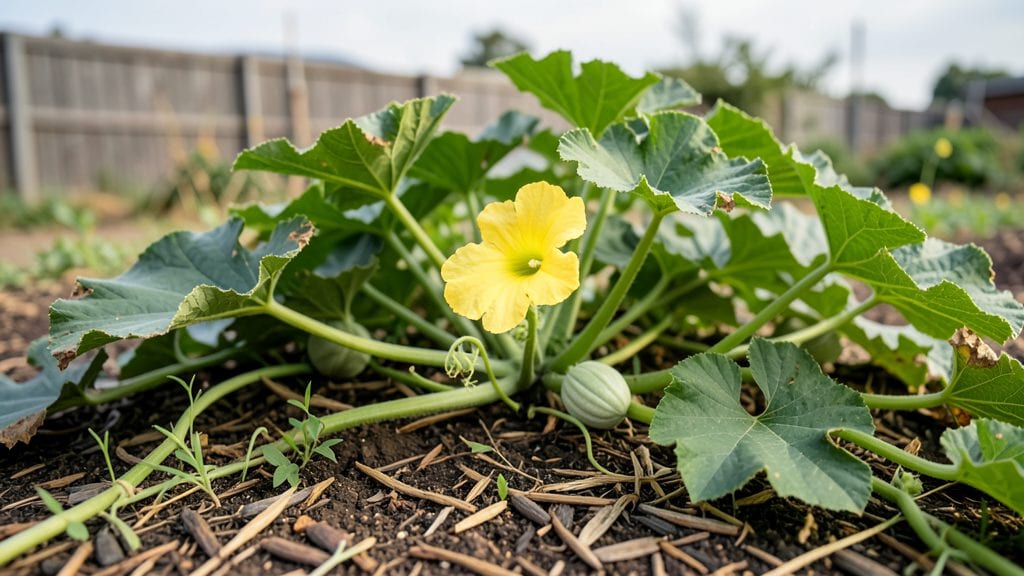
Growing yellow squash flowers 🎃 is your secret weapon for a garden bursting with plump, productive fruit—but too many gardeners never see those first blooms.
You’ve planted your seeds, waited for the vines to climb, and maybe even added a little fertilizer, yet the flowers still refuse to show up.
That’s because squash plants need more than just soil and sunshine to thrive—they demand the right balance of warmth, water, and patience to trigger those vibrant blooms that lead to harvest.
Here’s the good news: with a few simple adjustments—like timing your watering, protecting them from pests, and giving them just the right amount of sunlight—you can turn those lush green vines into a flowering powerhouse. Let’s break down exactly what your yellow squash needs to start blooming like clockwork.
By the end, you’ll know not just when to expect those first flowers but how to keep them coming all season long, so your garden becomes the talk of the neighborhood. Ready to unlock the full potential of your squash patch?
Why your yellow squash flowers aren’t blooming (and how to fix it)
If your yellow squash plants are putting all their energy into lush green leaves but refusing to produce those delicate yellow flowers, you’re not alone. Many gardeners overlook the subtle cues that signal their plants need adjustments.
Without proper blooms, you’ll miss out on the squash harvest you’re dreaming of. The good news? Most flowering problems stem from fixable issues like temperature stress, watering mistakes, or nutrient imbalances. Let’s diagnose the root cause and get those flowers blooming again.
Yellow squash plants thrive when they receive the right combination of sunlight, moisture, and nutrients. But even the hardiest varieties can stall their flowering cycle if conditions aren’t ideal. For example, overwatering can drown roots, while underwatering stresses the plant.
Similarly, cool night temperatures below 55°F can delay blooming, and poor soil fertility starves the plant of essential minerals. The key is identifying which factor is holding your plants back.
One of the most common mistakes is assuming that more water is always better. In reality, yellow squash needs consistent moisture but hates soggy soil. When roots sit in waterlogged conditions, they struggle to absorb nutrients, which directly impacts flower production.
Additionally, excessive nitrogen in fertilizers can promote leafy growth at the expense of blooms. Balancing these elements is crucial for encouraging your plants to shift their energy toward flowering.
Another critical factor is sunlight exposure. Yellow squash is a sun-loving plant that requires at least 6-8 hours of direct sunlight daily. If your plants are shaded—even partially—they’ll prioritize leaf growth over flower development.
Check your garden layout: nearby trees, fences, or even tall neighboring plants can cast shadows that limit sunlight. Moving your squash to a sunnier spot can trigger a rapid response in flower production.
Don’t overlook the role of pollinators either. While yellow squash flowers can self-pollinate, having bees, butterflies, and other pollinators visit increases your chances of fruit set. If your garden lacks pollinator activity, you might need to attract them with native flowers or even hand-pollinate the blooms yourself.
This is especially important in container gardens or urban settings where pollinators are scarce.
Seasonal timing also plays a role. Yellow squash plants typically start flowering 45-60 days after planting, but if you planted too early—before the soil warmed to at least 60°F—growth can stall. Cold soil slows root development, which in turn delays flowering.
If you’re in a cooler climate, consider using black plastic mulch or a cold frame to warm the soil and jumpstart the growing season.
Pests and diseases can also sabotage your blooming plans. Squash vine borers, aphids, and powdery mildew all drain a plant’s energy, leaving little for flower production. Inspect your plants regularly for signs of damage, such as chewed leaves or white powdery spots.
Early intervention with neem oil or insecticidal soap can save your plants and restore their flowering potential.
Yellow squash flowers often fail to bloom due to over-fertilizing with nitrogen. While nitrogen fuels leafy growth, it suppresses flowering. If your plants are lush but flowerless, switch to a low-nitrogen, high-phosphorus fertilizer (like 5-10-10) to encourage blooms. Phosphorus is the nutrient that triggers flower and fruit development.
Let’s talk about pruning for a moment. While yellow squash doesn’t require heavy pruning, removing excessive side shoots can redirect energy toward the main stem, where flowers and fruits develop. Focus on trimming any shoots that grow below the first 5-6 leaves, as these compete with the primary growth.
Just be careful not to over-prune, as this can stress the plant and delay flowering even further.
If your yellow squash plants are still struggling to bloom after addressing these factors, it might be time to investigate their root health. Compacted or poor-quality soil can restrict root growth, limiting the plant’s ability to absorb water and nutrients.
Amend your soil with compost or well-rotted manure to improve its structure and fertility. A simple soil test can reveal deficiencies in potassium or magnesium, both of which play a role in flower production.
Finally, remember that patience is key. Yellow squash plants follow a natural cycle, and rushing them—whether through over-fertilizing or aggressive pruning—can backfire. Monitor your plants closely, adjust care as needed, and soon you’ll be rewarded with an abundance of vibrant yellow flowers and the squash they produce.
With the right conditions, your garden can become a blooming paradise!
Step-by-step guide to maximizing yellow squash flower production
Yellow squash plants need the right conditions to produce abundant flowers, which directly translate to more squash on your vine. Flower production depends on a mix of pruning techniques, soil health, and even pollination assistance.
Many gardeners overlook simple adjustments that can double—or even triple—your yellow squash blooms, leading to a harvest you’ll actually want to share.
If your plants are lush but flowerless, the solution often lies in pruning methods that redirect energy toward blooming rather than leafy growth. I’ve found that hand-pollination tricks work wonders for indoor growers, while companion plants like marigolds can attract more bees to your garden naturally.
Let’s break down the exact steps to transform your squash patch into a blooming paradise.
How to Boost Yellow Squash Flower Production
- 1 Prune aggressively to remove suction shoots (shoots growing from the stem base). These steal energy from flowering. Use clean pruning shears to cut just above a leaf node.
- 2 Apply a balanced fertilizer (10-10-10) when plants are 4-6 inches tall. Focus on phosphorus-rich amendments like bone meal to encourage blooming. Avoid nitrogen-heavy feeds, which promote leafy growth instead.
- 3 Hand-pollinate indoor or low-bee areas by gently shaking plants in the morning or using a soft paintbrush to transfer pollen from male to female flowers. Female flowers have tiny squash bumps at their base.
- 4 Plant companion flowers like marigolds or nasturtiums nearby to attract pollinators. These also deter pests like squash bugs, which can damage flowers before they open.
- 5 Water deeply in the morning to keep soil consistently moist but not waterlogged. Drought stress or soggy roots can halt flowering. Mulch with straw to retain moisture and regulate soil temperature.
Timing is everything when it comes to yellow squash flowers. Plant seeds after your last frost date in warm soil (70°F+), and expect flowers to appear in 4-6 weeks under ideal conditions.
If you’re in a cooler climate, use black plastic mulch to warm the soil faster and kickstart blooming.
For container growers, choose compact varieties like ‘Eight Ball’ and ensure pots are at least 12 inches deep. Place containers in full sun and fertilize weekly with a low-nitrogen solution to prioritize flowers over foliage.
I’ve seen container-grown squash produce just as many blooms as in-ground plants when given the right care!
Monitor your plants daily for pests like squash vine borers, which can chew through stems and destroy flowers before they open. Use row covers early in the season to protect young plants, and remove any damaged leaves immediately to prevent spread.
A healthy plant with strong blooms is your best defense against pests.
By following these steps, you’ll transform your yellow squash patch into a blooming machine, leading to a harvest that rivals the pros. The key is consistency—prune regularly, fertilize wisely, and support pollinators—and your plants will reward you with an abundance of vibrant flowers and plump squash.
Happy gardening! 🌻