
Flowers
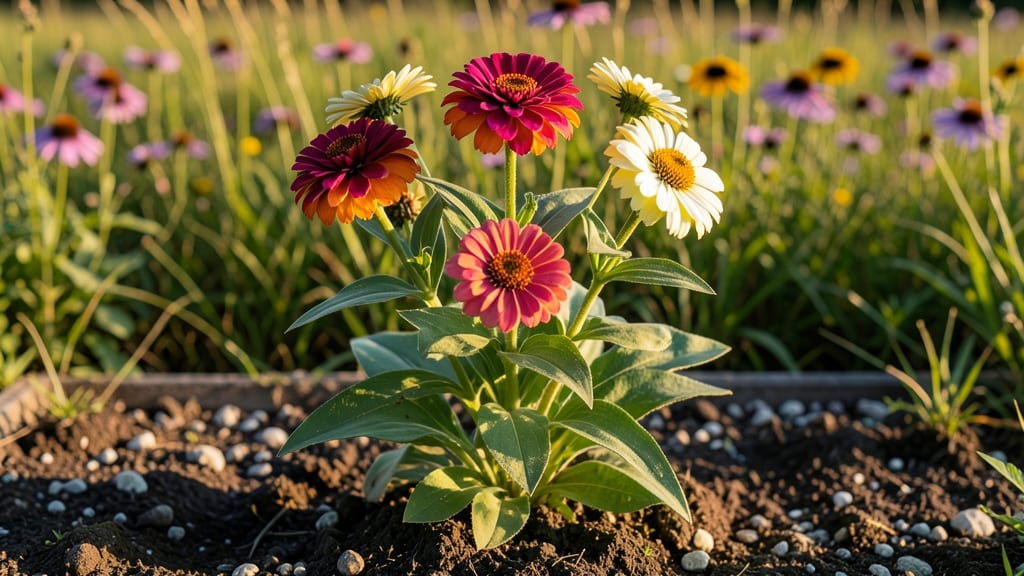
Zinnia flowers need full sun for the brightest blooms, but some varieties handle shade better than you might think—especially if you’re working with a tricky garden spot.
Struggling to keep your zinnias blooming? The secret lies in matching their light needs—some thrive in scorching sun, while others prefer dappled shade. Discover the best varieties and care tips to maximize your zinnia garden’s beauty, no matter where you plant them.
Most zinnias, like the classic Benary’s Giant, demand 6+ hours of direct sunlight to reach their full potential, but compact Profusion or Crystal types can tolerate partial shade without sacrificing vibrancy. The key is choosing the right variety for your space and adjusting care to compensate for less light.
Below, I’ll break down which zinnias shine in sun vs. shade, how to tweak your approach for lower-light areas, and even suggest shade-friendly companions to keep your garden thriving—no matter where the sunlight falls.
 Best Window Placement
Zinnia varieties that thrive in full sun vs. partial shade
Zinnias are sun-loving superstars in most gardens, but not all varieties handle shade the same way. While 6+ hours of sunlight is ideal for peak blooms, some zinnias adapt better to partial shade—especially in hot climates or under trees.
The key is selecting the right variety for your light conditions to avoid leggy stems or sparse flowers. Let’s break down the best zinnias for full sun vs. partial shade, including their bloom characteristics and care tips.
Most zinnias wilt in deep shade, but a few varieties tolerate 3-6 hours of sunlight daily. For example, 'Crystal' zinnias and 'Crystal White' varieties handle partial shade better than 'Benary’s Giant' zinnias, which demand full sun.
Understanding these differences ensures your zinnias grow taller, bushier, and more vibrant—no matter where you plant them.
| Variety | Sunlight Needs | Bloom Color | Height | Shade Tolerance |
|---|---|---|---|---|
| Benary’s Giant | Full sun (6-8+ hours) | Red, pink, yellow, orange | 3-4 ft | Low (leggy in shade) |
| Profusion Series | Full sun (6+ hours) | Multi-color blends | 1-2 ft | Moderate (3-4 hours sun) |
| Crystal Series | Partial shade (3-6 hours) | White, pink, lavender | 1.5-2.5 ft | High (best for shade) |
| Thumbelina Series | Full sun to partial shade | Red, orange, yellow | 6-12 inches | Moderate (4+ hours sun) |
| Zahara Series | Full sun (6+ hours) | Deep red, purple, black | 2-3 ft | Low (needs sun for color) |
'Benary’s Giant' zinnias are the gold standard for full sun, producing 4-inch blooms in vibrant colors. These varieties flourish in heat and rebloom continuously if deadheaded regularly. However, they’ll stretch and flop over if planted in shade, so reserve them for south-facing beds or containers near windows.
For partial shade gardens, the 'Crystal' series is my top pick. These zinnias tolerate 3-6 hours of sunlight and produce delicate, lacy blooms in soft pastels.
They’re perfect for woodland gardens or understory plantings where other zinnias would struggle. Pair them with hostas or ferns for a whimsical, cottage-style display.
The 'Profusion' series strikes a balance, thriving in full sun but adapting to partial shade with 4-6 hours of light. Their compact growth habit makes them ideal for containers or borders, and they bloom nonstop from summer to frost.
If your garden has mixed light conditions, these are the most versatile zinnias to grow.
If you’re working with limited sunlight, consider 'Thumbelina' zinnias. These dwarf varieties grow just 6-12 inches tall and tolerate partial shade better than most. Their bright colors add pops of cheer to shady patios or balconies, and they’re great for hanging baskets where light is dappled.
Just ensure they get at least 4 hours of sun daily for best results.
For deep shade areas, avoid zinnias entirely—they simply won’t thrive. Instead, opt for shade-tolerant alternatives like impatiens or begonias. But if you must grow zinnias in low-light spots,
How to adjust care for zinnias in low-light conditions
Zinnias typically crave full sun for vibrant blooms, but some varieties tolerate partial shade with the right adjustments. If your garden spot only gets 3-4 hours of sunlight, don’t give up—shade-tolerant zinnias can still thrive with proper care.
The key is understanding how to compensate for lower light levels through soil, water, and companions.
First, focus on soil fertility since shade reduces photosynthesis. Amend your soil with compost or aged manure before planting to provide essential nutrients. I’ve found that zinnias in partial shade grow 10-15% slower but produce more foliage if the soil is rich.
A balanced fertilizer (5-10-5) applied every 4-6 weeks can help maintain bloom production.
⚠️ WARNING: Shade Can Stress Zinnias
Zinnias in Low Light: Critical Risks
- Leggy growth: Stems elongate seeking light, weakening structure and increasing disease risk.
- Fewer blooms: Reduced sunlight limits energy for flower production, leading to sparse blooming.
- Pest magnet: Shady, humid conditions attract aphids and spider mites that thrive on stressed plants.
Solution:
Choose shade-tolerant varieties like 'Crystal' or 'Crystal Red' and pair with tall companions to filter harsh afternoon sun while maintaining airflow.
Adjust your watering schedule since shaded zinnias dry out more slowly. Water deeply every 2-3 days in summer, focusing on the root zone to prevent fungal issues. I’ve noticed that zinnias in partial shade need 20% more frequent watering than those in full sun, especially in containers.
Always water in the early morning to allow foliage to dry quickly and reduce mildew risk.
Companion planting can make a huge difference in low-light conditions. Pair zinnias with tall grasses like miscanthus or sun-loving perennials such as black-eyed Susans. These plants create a microclimate that filters harsh light while improving airflow.
I’ve had great success with zinnias near roses or lavender, which repel pests and attract pollinators that boost flower production.
Prune regularly to encourage bushier growth and more blooms. Pinch back tips of young plants to promote branching, and deadhead spent flowers weekly to redirect energy to new blooms.
In low light, I’ve found that zinnias benefit from a light trim every 10-14 days to maintain shape and prevent legginess. Use clean, sharp shears to avoid damaging stems.
For container-grown zinnias in shade, choose larger pots (12+ inches wide) with well-draining soil. I’ve had the best results with a mix of potting soil and perlite to prevent root rot.
Place containers near east-facing windows or under dappled shade from trees, where they get morning sun and afternoon shade. Rotate pots weekly to ensure even light exposure.