
Vegetables
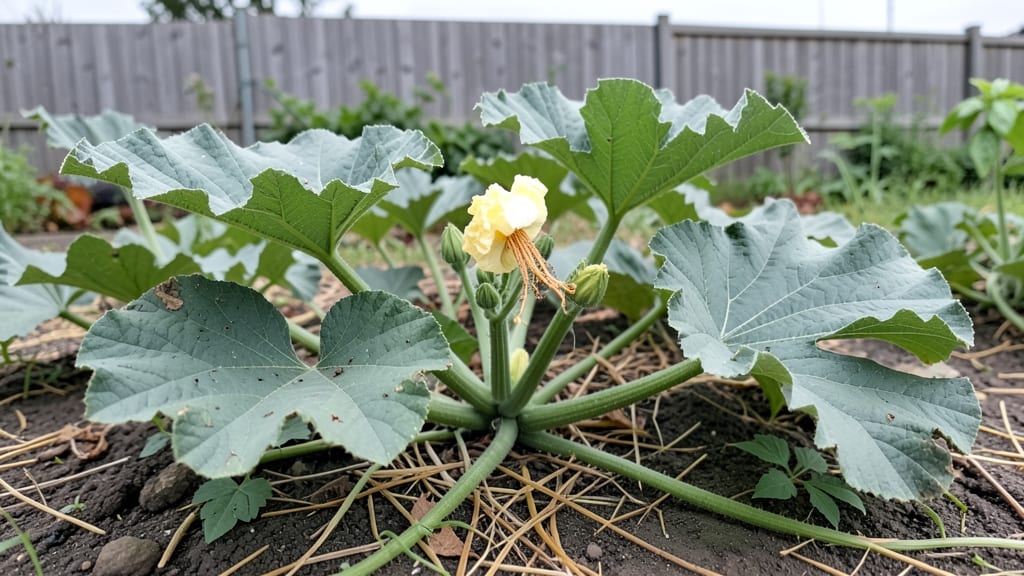
Saving zucchini flower stamens 🎃 is the secret weapon for gardeners who want bigger yields without relying on bees.
Did you know a single stamen can dramatically increase your harvest—if saved and used correctly? Mastering this simple technique transforms your garden from average to prolific, even when pollinators are scarce.
Zucchini flowers need pollen to set fruit, and stamens are the pollen carriers. When bees aren’t around, you can step in by collecting, drying, and transferring stamens yourself—no fancy tools required.
Below, I’ll walk you through how to harvest stamens, store them properly, and use them to boost your zucchini production, so you’re picking more squash by summer’s end.
How to harvest and preserve zucchini flower stamens for pollination
Zucchini plants rely on male flowers to produce viable pollen, but without bees, your harvest can suffer. The good news? You can harvest and store stamens to manually pollinate female flowers, ensuring fruit set even in greenhouse or low-bee environments.
This method is especially useful when humidity or weather keeps bees indoors or absent.
Male zucchini flowers are easy to spot—they have a long stem and no bulb at the base. Each flower contains dozens of yellow stamens, which hold the pollen needed to fertilize female flowers.
By preserving these stamens, you can extend your pollination window and boost yields when natural pollinators are scarce.
Before you begin, gather a few supplies: a small paper bag or envelope, a pair of clean scissors or tweezers, and a drying tray or paper towel.
Work on a dry, sunny day when stamens are fully mature but haven’t yet released pollen. Timing is key—collect stamens in the early morning when they’re freshest.
Identify Male Flowers
Pick male flowers—they have a long, slender stem and no swollen base. These flowers produce pollen-rich stamens but no fruit.
Collect Stamens Gently
Use tweezers or scissors to carefully remove stamens from the flower. Place them in a paper envelope or small bag to avoid moisture.
Dry Stamens Properly
Spread stamens on a paper towel in a dry, shaded area for 24-48 hours. Ensure they’re completely dry to prevent mold.
Store in Airtight Containers
Transfer dried stamens to a small glass jar or envelope and seal tightly. Store in a cool, dark place like a pantry or fridge for up to 2 weeks.
Test Viability Before Use
Before pollinating, gently tap stored stamens over a white paper. If they release yellow pollen, they’re still viable. Discard if no pollen appears.
Proper storage conditions are critical for maintaining pollen viability. Avoid plastic containers, as they trap moisture and cause mold or spoilage. If stamens lose their bright yellow color or smell musty, they’re no longer effective.
For long-term storage, consider freezing dried stamens in a sealed bag for up to 3 months.
One of the biggest mistakes gardeners make is over-handling stamens, which can damage delicate pollen sacs. Always use clean, dry tools and avoid touching stamens with bare hands to prevent oil or moisture contamination.
If you’re working in a humid climate, dry stamens for an extra 12-24 hours to ensure they’re fully dehydrated.
Once your stamens are ready, you can use them to hand-pollinate female flowers by gently brushing them against the stigma (the sticky center of the flower). This mimics natural pollination and triggers fruit development. With this method, even greenhouse or urban gardens can achieve high yields without relying on bees.
For best results, harvest stamens in batches throughout the growing season. Zucchini plants produce new male flowers daily, so you’ll always have fresh pollen available. Keep a small notebook to track when you collect stamens and their storage dates—this helps you stay organized and maximize their effectiveness.
If you notice female flowers wilting or dropping without setting fruit, it’s a sign you may need to increase hand-pollination efforts. Pay close attention to morning humidity levels, as high moisture can make stamens less effective. In such cases, collect fresh stamens daily for optimal results.
With a little practice, saving and using zucchini flower stamens becomes second nature. This low-cost, high-reward technique ensures your garden thrives, even when bees are scarce. Happy pollinating—and enjoy that bountiful harvest! 🌱
When and how to use saved stamens for hand-pollination
Timing is everything when it comes to hand-pollination with saved zucchini flower stamens. The best time to pollinate is on sunny mornings between 8 AM and 10 AM, when stamens are fresh and stigmas are receptive.
This window ensures the highest chance of successful fertilization before the flower wilts. If you miss morning, late afternoon (around 4 PM) works too, but avoid midday heat, which can stress the flower.
Start by selecting a female zucchini flower—it has a tiny zucchini-shaped ovary at its base. Gently remove the petals to expose the stigma, which looks like a tiny, fuzzy ball. Use a clean, dry paintbrush or cotton swab to transfer pollen from saved stamens onto the stigma.
Apply light pressure to ensure the pollen sticks, but don’t press too hard to avoid damaging the delicate tissue.
Watch for signs of successful pollination in the next 24-48 hours. The stigma will turn from greenish-white to yellowish-brown, and the flower may start to wilt. If pollination worked, a tiny zucchini fruit will form within 7-10 days.
Keep an eye out for flower drop patterns: if female flowers consistently fall without setting fruit, you may need to pollinate more frequently or check for pollen viability.
If you’re hand-pollinating in a greenhouse or low-bee environment, aim to pollinate 3-5 female flowers per plant every 2-3 days during peak blooming. Over-pollinating can stress the plant, so focus on healthy, mature flowers first.
Remove any overly large or deformed zucchinis early to encourage more fruit production—this gives the plant energy to develop high-quality harvests.
For container-grown zucchinis, hand-pollination is even more critical since bees may struggle to reach. Use a small hand-held magnifying glass to inspect stigmas closely, as they’re tiny and easy to miss.
Keep a notebook nearby to track which flowers you’ve pollinated and their progress—this helps you refine your technique over time. With practice, you’ll see a noticeable increase in fruit set and yield.
Remember, consistency is key. Even if you’ve had success one day, check flowers daily during peak blooming. Zucchini plants produce hundreds of flowers, but only a fraction will set fruit without intervention.
By mastering this technique, you’ll turn your garden into a zucchini powerhouse, even in the absence of bees. 🌿