
Blooming
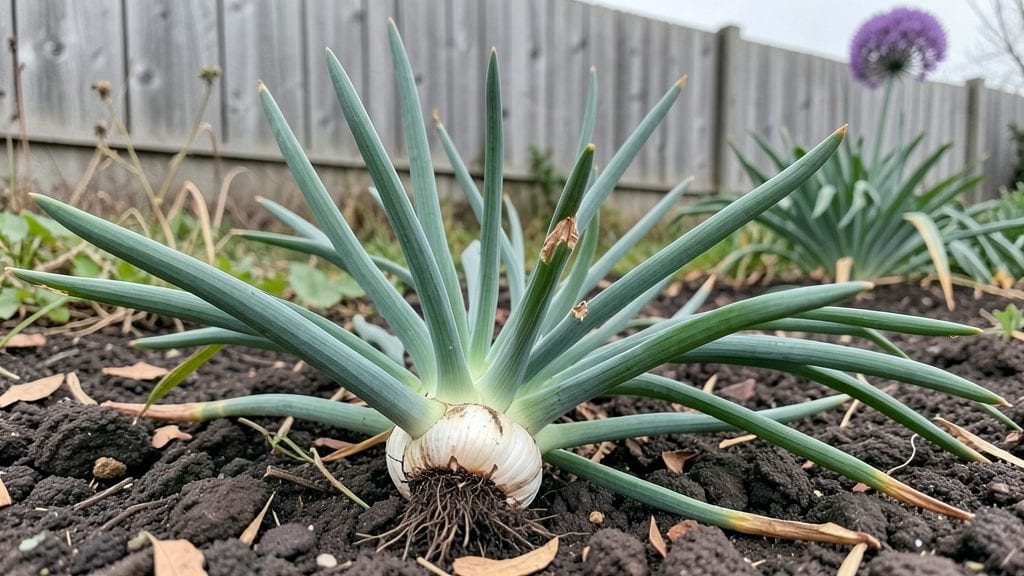
Alliums not flowering? I’ve stared at my own patch of stubborn alliums—all lush leaves, no dramatic blooms—and figured out why they’re playing hard to get. The problem usually boils down to one of three things: not enough sunlight, overcrowding, or a soil that’s either too rich or too hungry.
Here’s the thing—alliums like it bold. They need full sun (6+ hours daily) and soil that’s well-draining but not nutrient-heavy. Too much nitrogen? You’ll get leaves, not flowers. Too little?
They’ll just sulk. I’ve also seen them skip blooming when they’re packed in too tight—give them space, and they’ll reward you with those iconic globes by early summer.
Once you adjust light, spacing, and soil, you’ll start seeing flower stalks within 4-6 weeks. The blooms won’t just happen—they’ll announce themselves, turning your garden into a pollinator magnet. And the best part? The leaves stay edible the whole time, so you’re never really losing out.
Works for ornamental alliums, garlic chives, and even ramp clumps. The fix is simpler than you’d think—let’s get those stalks standing tall.
Common Triggers Blocking Blooms
When your alliums—like Allium sphaerocephalon, Allium giganteum, or Allium cepa—refuse to flower, it’s often a cry for help from the plant itself. Understanding the root causes (literally and figuratively) is the first step to coaxing those dramatic blooms.
Here’s why your alliums might be playing the leafy card instead of putting on a floral show.
🌱 Insufficient Light Exposure
Alliums are sun-lovers, and without enough light, they’ll prioritize leafy growth over flowering. These plants thrive in full sun (6–8+ hours daily), where photosynthesis fuels both foliage and blooms.
When light is limited—whether due to shade from trees, buildings, or neighboring plants—their energy shifts to survival mode, delaying or preventing flower formation.
Why it matters: Light triggers photoperiodism, a biological clock that signals when it’s time to bloom. Short-day alliums (like Allium karataviense) need 10–12 hours of darkness to initiate flowering, while long-day varieties (like Allium moly) rely on extended daylight. Too little light throws off this balance, leaving you with a lush but bloomless plant.
💧 Water or Nutrient Imbalance
Flowering is an energy-intensive process, and alliums need the right balance of water and nutrients to pull it off. Too much or too little of either can derail bloom production.
| Issue | Effect on Flowering | Fix It |
|---|---|---|
| Overwatering | Roots suffocate, starving the plant of oxygen and nutrients. Energy goes to leaf growth, not blooms. | Let soil dry 2–3 inches deep between waterings. Improve drainage with perlite or sand. |
| Underwatering | Stress triggers dormancy; the plant conserves energy, delaying or skipping flowers. | Water deeply 1–2 times per week (adjust for clay vs. sandy soil). Mulch to retain moisture. |
| Nitrogen Overload | Lush green leaves at the expense of flowers. Nitrogen promotes foliage, while phosphorus and potassium support blooms. | Switch to a balanced 5-10-10 or bloom-boosting 10-20-20 fertilizer mid-season. |
| Micronutrient Deficiency | Lack of boron or magnesium can stunt flower development, even with plenty of water. | Add Epsom salt (magnesium) or a trace mineral supplement to soil. |
⏳ Age or Maturity Stage
Not all alliums bloom in their first year—some are perennial biennials or slow growers that need time to build energy reserves. For example:
- Allium cepa (onion/garlic types) often flower in their second year after establishing a robust bulb.
- Allium ursinum (wild garlic) may take 3–4 years to reliably produce flowers.
- Ornamental alliums like Allium schubertii can take 2–3 years to reach flowering size.
If your alliums are young, patience is key. Forcing blooms too early can weaken the plant. Focus on healthy leaf growth now to ensure future floral displays.
🌡️ Temperature or Climate Mismatch
Alliums are adaptable but have specific temperature triggers for flowering. Too hot, too cold, or erratic swings can disrupt their bloom cycle.
- Cold Requirement: Many alliums (especially bulb types) need vernalization—a period of 4–6 weeks below 40°F (4°C) to initiate flowering. Without this, they may stay vegetative.
- Heat Stress: Temperatures above 90°F (32°C) for prolonged periods can cause flower buds to abort or fail to form.
- Late Planting: Fall-planted bulbs (like Allium christophii) need 6–8 weeks of root growth before winter to bloom the following spring.
Pro Tip: 🌡️ If you’re in a warm climate, try elevating beds or using shade cloth to cool roots slightly during heatwaves.
🐞 Pest or Disease Stress
Hidden threats like thrips, aphids, or fungal infections (e.g., Botrytis or Fusarium) drain a plant’s energy, leaving little for flowering. Signs to watch for:
- Wilting or yellowing leaves (often a sign of root rot or bulb mites).
- Stunted growth or distorted foliage (common with viral infections spread by sap-sucking pests).
- Moldy or mushy bulbs (indicating bacterial soft rot).
Stressed alliums may skip flowering entirely to divert resources to recovery. Address pests with neem oil or insecticidal soap, and improve airflow to prevent fungal issues.
Revive Your Alliums: Quick Fixes for Stubborn Non-Bloomers
If your alliums are putting all their energy into lush leaves but refusing to bloom, don’t panic—there’s a solution! The key is identifying the root cause (or causes) and taking targeted action.
Below, we’ve mapped out practical fixes for each common issue, along with prevention tips to keep your plants happy and flowering in the future.
🌱 Fix 1: Boost Light Exposure for Lazy Bloomers
If your alliums are growing tall but staying bare at the top, they’re likely light-deprived. Most allium varieties need 6–8 hours of direct sunlight daily to trigger flowering. Here’s how to remedy it:
🔥 Step 1: Assess Sunlight Conditions
- Check your garden’s sunlight patterns. Are trees, buildings, or tall plants casting shade?
- Use a sunlight tracker app to monitor daily light exposure for 2–3 days.
👨🍳 Step 2: Relocate or Thin Out Obstructions
- Move potted alliums to a sunnier spot immediately.
- For in-ground plants, thin nearby vegetation or prune overhanging branches to increase light penetration.
- Pro tip: If relocating isn’t possible, consider sun-loving companions like lavender or catmint, which thrive in similar conditions.
⏰ Step 3: Extend Light with Grow Lights (If Needed)
- For indoor or heavily shaded gardens, supplement with a full-spectrum LED grow light (12–16 hours/day).
- Place lights 6–12 inches above the plants to avoid leaf burn.
🌡️ Prevention Tip:
- Plant alliums in south- or west-facing beds where they’ll get the most sun.
- Avoid planting them under fast-growing shade trees like willows or poplars.
💡 Fix 2: Adjust Fertilizer for Better Bloom Production
Too much nitrogen = leafy greens, no flowers. Alliums need a balanced or phosphorus-rich fertilizer to encourage blooming. Here’s how to fix an over-fertilized or nutrient-imbalanced soil:
🔥 Step 1: Stop Nitrogen-Heavy Feeding
- Avoid blood meal, fish emulsion, or high-nitrogen (first-number-heavy) fertilizers.
- Switch to a 5-10-10 or 10-20-20 formula (phosphorus and potassium boost blooms).
🍳 Step 2: Flush the Soil (If Over-Fertilized)
- Water the plants deeply for 10–15 minutes daily for a week to leach excess nitrogen.
- Add compost or well-rotted manure to improve soil structure without overfeeding.
🌱 Step 3: Use Organic Bloom Boosters
- Mix in bone meal (3–4 tbsp per plant) or kelp meal (high in potassium).
- Apply a low-dose liquid bloom fertilizer (like fish bone meal tea) every 4–6 weeks.
✨ Prevention Tip:
- Test your soil’s pH and nutrient levels (ideal pH: 6.0–7.0 for most alliums).
- Follow the “less is more” rule—alliums often bloom better with minimal feeding.
🌡️ Fix 3: Correct Temperature & Timing Issues
Alliums are cool-season plants—if they’re planted too late or exposed to heat stress, they’ll focus on survival, not flowers. Adjust timing and microclimates to encourage blooming:
🔥 Step 1: Plant at the Right Time
- Spring-planted alliums: Sow seeds or bulbs in early fall (8–10 weeks before first frost) for spring blooms.
- Summer/fall bloomers (e.g., Allium schubertii): Plant bulbs in late winter or early spring.
👨🍳 Step 2: Protect from Heat Stress
- If your area has hot summers, mulch heavily with straw or shredded leaves to keep roots cool.
- Provide afternoon shade with a sheer cloth or dappled shade from nearby plants.
⏰ Step 3: Encourage Dormancy (For Biennial Varieties)
- Some alliums (like Allium giganteum) need a cool winter to flower. If your climate is mild, simulate dormancy by:
- Reducing water in late summer.
- Cutting back foliage after it yellows.
🎯 Prevention Tip:
- Choose heat-tolerant varieties like Allium sphaerocephalon (starry allium) for hotter regions.
- Avoid planting in low-lying areas where frost pockets or late frosts might delay growth.
💧 Fix 4: Master Watering for Stronger Stems & Blooms
Too much or too little water can stress alliums, diverting energy away from flowering. Aim for consistent moisture without soggy soil:
🔥 Step 1: Check Soil Moisture
- Stick your finger 1–2 inches into the soil. If it’s dry, water deeply.
- If it’s muddy, hold off until the top inch dries out.
🍳 Step 2: Water Deeply & Infrequently
- Water at the base (avoid wetting leaves to prevent rot).
- Aim for 1–1.5 inches of water per week, adjusting for rain.
🌱 Step 3: Improve Drainage
- If your soil is clay-heavy, amend with perlite or coarse sand.
- Raise containers off the ground to prevent waterlogging.
💡 Prevention Tip:
- Use drip irrigation or soaker hoses to deliver water slowly and evenly.
- Water in the early morning to reduce evaporation and fungal risks.
🌿 Fix 5: Prune & Support for Healthier Growth
Deadheading, staking, and proper pruning can redirect energy toward future blooms:
🔥 Step 1: Deadhead Spent Blooms
- Snip off faded flower stalks (but leave the leaves!) to encourage a second flush in some varieties.
- Use clean, sharp scissors to avoid damaging stems.
👨🍳 Step 2: Stake Tall Varieties
- Alliums like Allium cristophii can flop under heavy blooms. Insert tall stakes or use tomato cages for support.
🌱 Step 3: Prune Yellow Leaves (But Not All!)
- Remove brown or diseased leaves, but leave green foliage until it yellows naturally (this feeds the bulb for next year’s blooms).
✨ Prevention Tip:
- Choose compact or dwarf varieties (like Allium roseum) if space or wind is an issue.
🔄 Final Checklist: Keep Your Alliums Blooming
To prevent future non-blooming issues, follow this quick checklist:
- ✅ Sunlight: 6+ hours of direct sun daily.
- ✅ Soil: Well-draining, amended with compost, pH 6.0–7.0.
- ✅ Fertilizer: Low-nitrogen, phosphorus-rich feed (spring & early summer).
- ✅ Water: Deep but infrequent—1–1.5 inches/week.
Frequently asked questions
Why do my alliums keep growing leaves but never bloom?
Alliums often prioritize leaf growth over blooms when they lack full sun (6+ hours daily) or have too much nitrogen in the soil. They also need proper seasonal cues, like cold exposure for bulb varieties, to trigger flowering. Check sunlight, adjust fertilizers, and ensure they’ve had enough time to mature—some take 2-3 years!
How can I encourage blooming in young allium plants?
Young alliums need patience—they’re often biennials or slow growers. Focus on healthy leaf growth first! Give them full sun, well-draining soil, and a balanced fertilizer (like 5-10-10) mid-season. Avoid over-fertilizing with nitrogen, which promotes leaves instead of flowers.
What should I do if my alliums are planted in too-shady an area?
Move them to a sunnier spot immediately—alliums thrive in direct sunlight. If relocation isn’t possible, supplement with a full-spectrum grow light (12-16 hours/day) to mimic summer sun. Even 2-3 more hours of light can help trigger blooms within 4-6 weeks.
Can overwatering prevent alliums from flowering?
Overwatering suffocates roots, starving the plant of oxygen and nutrients needed for blooms. Let soil dry 2-3 inches deep between waterings, and improve drainage with perlite or sand. Water deeply but infrequently—1-1.5 inches weekly—to avoid stressing the plant.
Why do some allium varieties bloom earlier than others?
It depends on their growth cycle! Ornamental alliums like Allium giganteum often bloom in their second year, while garlic chives (Allium schoenoprasum) may flower annually. Cold-requiring varieties also need 4-6 weeks below 40°F to initiate blooming, while heat-tolerant types like Allium sphaerocephalon bloom faster in warmer climates.