
Pruning
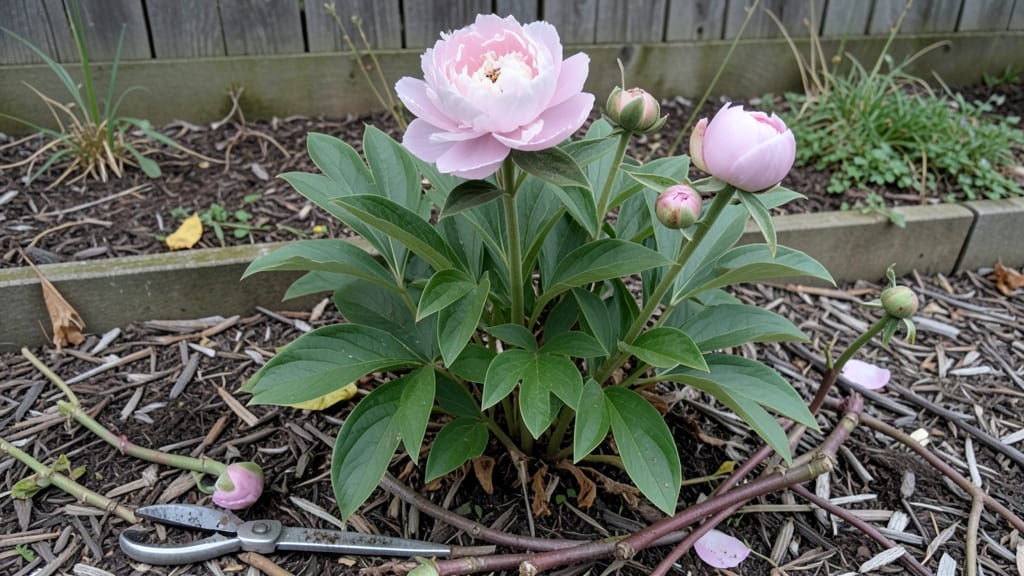
Cutting back peonies after flowering isn’t just about tidying up—it’s the secret to next year’s showstopping blooms. 🌸 I’ve learned the hard way that chopping stems too early starves the roots of energy, leaving you with weak growth and fewer flowers.
The key is patience: wait until the foliage yellows naturally before making a single cut.
You’ll need just three things: sharp pruners (dull blades tear stems), a pair of gloves (peony foliage can be prickly), and a clear day to work. The goal is to remove about half the foliage—never more—leaving enough leaves for photosynthesis until late summer.
This keeps the roots strong for next spring’s buds.
By late September, your peonies will be prepped for winter. The stems you leave behind will turn golden, then crisp, while the roots below store up nutrients for big, healthy blooms the following year. No more sad, sparse flowers—just lush, abundant displays that turn heads in your garden.
This method works for all peony varieties, whether you’re growing herbaceous types in full sun or tree peonies in partial shade. The only real mistake? Pruning too early. Stick with the timing, and you’ll see the difference in just one season.
📚 In This Guide
- What you need
- Instructions
- Tips and common mistakes
- Wrapping up and next steps
What you need
- ● Pruning shears or sharp bypass pruners – 1 pair (ensure they’re clean and sterilized to prevent disease; blades should be sharp and 5-7 inches long for precision).
- ● Garden gloves – 1 pair (nitrile or leather for protection against thorns and dirt).
- ● Disinfectant solution – 1 small bottle (70% isopropyl alcohol or a 10% bleach-water mix for sterilizing tools between cuts).
- ○ Garden twine or plant ties – Optional but helpful (for securing stems if needed, 1-2 yards).
- ● Compost or mulch – Small amount (to replenish soil after pruning; 2-3 inches of organic matter like shredded leaves or aged compost).
- ● Hand pruners – For smaller stems or tight spaces.
- ● Knee pads – If you’re working close to the ground for long periods.
- ● Plant markers – To label peony varieties if you have multiple types.
- ● Spray bottle with water – To mist tools and prevent rust.
Step-by-step instructions for pruning peonies after blooming
Here's the exact method I use to keep my peonies thriving for decades of dramatic blooms.
✂️ Step 1: Wait Until Flowers Fade Completely
Don't cut anything until the blooms have fully wilted and turned brown on their own. This ensures the plant has finished its energy cycle for the season. I always wait until the foliage starts yellowing naturally—this usually happens 2-3 weeks after peak bloom. Cutting too early robs the plant of nutrients it needs to build next year's buds.
If you cut back too soon, you'll notice weak stems next spring and fewer blooms. The key is patience—peony buds form in the current season, so the plant needs time to store energy in its roots. I mark my calendar with the bloom date, then count 21 days from when the last petal drops to know when to prune.
✂️ Step 2: Cut Stems Back to the Ground
Use clean, sharp pruners to make a clean cut right at the soil line—no stubs left. I like to sterilize my pruners with rubbing alcohol first to prevent spreading any potential diseases between plants. Cutting at the base prevents rot from lingering stems and gives the plant a clean start for next year's growth.
Don't worry about leaving any foliage—it's normal for the leaves to die back naturally after cutting. The plant will push new growth from the base as it prepares for dormancy. I make sure to dispose of the cut stems in my compost pile (they'll break down quickly) rather than leaving them in the garden bed where they could harbor pests.
🌱 Step 3: Remove Any Dead or Diseased Foliage
After cutting the main stems, inspect the plant for any remaining dead leaves or stems that didn't make it to the ground. These can harbor fungal spores that might infect your peonies next season. I use my fingers to gently pull away any loose dead material, being careful not to disturb the crown (the thick, fleshy base where the roots emerge).
If you notice any brown, mushy spots on the remaining foliage, those are signs of botrytis blight—a common peony disease. In that case, remove the affected leaves immediately and treat the area with a copper fungicide according to package instructions. Healthy peonies should have only green foliage at this stage, with no signs of wilting or spotting.
💧 Step 4: Water and Mulch Thoroughly
Give your peonies a deep watering right after pruning to help them recover from the stress of cutting. The soil should be moist 6 inches down—stick your finger in to check. Peonies have deep roots, so they need plenty of moisture during this recovery period. I water in the early morning so any excess moisture can evaporate during the day.
Spread 2-3 inches of organic mulch (like shredded bark or straw) around the base, keeping it 3 inches away from the crown to prevent rot. This helps retain moisture and regulate soil temperature. The mulch should look like a donut around the plant, not piled directly against the center. Over-mulching can suffocate the roots, so keep it light and fluffy.
⏰ Step 5: Monitor for New Growth in Spring
In early spring, you'll notice new shoots emerging from the ground. This is your signal that the plant is preparing for next year's blooms. I make a habit of marking these new shoots with small stakes so I don't accidentally disturb them when weeding. Peonies can take 2-3 years to fully establish after division, so be patient if your plant seems slow to recover.
Once the new shoots reach 3-4 inches tall, you can apply a balanced 10-10-10 fertilizer lightly around the base (not touching the crown). This gives them a nutrient boost for robust growth. Avoid heavy feeding—they're not hungry plants! Too much fertilizer can actually reduce flowering. I use about 1 tablespoon per plant, working it into the top inch of soil.
Tips & tricks for perfect peony pruning after blooming
These simple strategies will help you maintain healthy peonies that reward you with stunning blooms year after year.
Timing is Everything: The 21-day waiting period after the last petal drops is non-negotiable. I've learned this the hard way—cutting too soon leads to weak stems and fewer blooms next season. Mark your calendar when you see the first brown petals, then count those 21 days. This gives your peonies enough time to store energy in their roots for next year's buds.
Clean Tools Prevent Disease: Always sterilize your pruners with rubbing alcohol between cuts, especially if you're working with multiple plants. I keep a small bottle of 70% isopropyl alcohol in my gardening toolkit. This simple step prevents cross-contamination of fungal diseases like botrytis blight that can devastate your peony patch. The 2-3 weeks after blooming is actually the ideal time to clean your tools anyway, since you're already handling the plants.
Mulching Made Easy: When applying that 2-3 inches of organic mulch, think "donut shape" around your plants. I use straw because it breaks down nicely and doesn't compact like heavier mulches. The key is keeping it 3 inches away from the crown to prevent rot. If you notice the mulch piling up against the center, gently fluff it out—peony roots need room to breathe. This simple arrangement helps regulate soil temperature perfectly for root development.
Spring Fertilizing Strategy: That 1 tablespoon of 10-10-10 fertilizer per plant is just a gentle nudge, not a feast. I apply it when the new shoots reach 3-4 inches tall because that's when they're actively growing but not yet flowering. The light application prevents overstimulation that could reduce bloom quality. Think of it as a vitamin shot rather than a full meal—peonies are naturally low-maintenance plants that don't need heavy feeding.
Pro Tips for Cut Back Peonies After Flowering
- These simple strategies will help you maintain healthy peonies that reward you with stunning blooms year after year.
- Timing is Everything: The 21-day waiting period after the last petal drops is non-negotiable.
- Clean Tools Prevent Disease: Always sterilize your pruners with rubbing alcohol between cuts, especially if you're working with multiple plants.
Frequently asked questions
Got questions about cutting back peonies after they’ve finished blooming? You’re not alone! Here’s what gardeners often wonder—and how to tackle them with confidence.
When should I cut back peonies after they bloom?
Wait until late summer or early fall (after the first frost if in colder climates) to cut back peony foliage. Removing flowers right after blooming (June–July) is fine, but leave the leaves until they yellow and die back naturally. This ensures your plant stores energy for next year’s stunning blooms!
What if I cut back peonies too early?
Don’t stress—peonies are tough! Cutting them back too soon (before leaves yellow) might weaken the plant, but they’ll often bounce back. Solution: Trim dead flowers now, then wait until fall to prune the rest. If you notice stunted growth next year, focus on watering and sunlight to help recovery.
Can I cut back peonies in winter?
Yes, but timing matters. Cut back peonies in winter only after the ground freezes (late fall/winter in most regions). This prevents disease and makes cleanup easier. Use clean, sharp shears to trim stems to 2–3 inches above ground. Avoid pruning in early spring—wait until new growth appears!
What if my peonies don’t bloom next year?
Skipping blooms can happen if peonies are over-pruned, stressed, or lack nutrients. Check these fixes:
- Prune correctly: Never cut back all stems—leave some foliage until fall.
- Fertilize: Add compost or a balanced fertilizer in spring.
- Water deeply: Aim for 1–2 inches per week during growing season.
- Sunlight: Ensure they get 6+ hours of sun daily.
Can I propagate peonies while cutting them back?
While pruning, you can divide and transplant peonies every 3–5 years to rejuvenate them. Here’s how:
- Wait until late summer or early fall when foliage dies back.
- Dig up the clump, separate healthy crowns with roots attached.
- Replant divisions 2–3 inches deep and water well.
Wrapping up and next steps
Cutting back peonies after flowering is your secret to vibrant, long-lasting blooms year after year! By following these simple steps—like trimming spent flowers and avoiding over-pruning—you’ll encourage healthier growth and bigger blooms next season. 🌸✨
Now that you’re armed with the know-how, grab those shears and get pruning! Watch your peonies thrive, and don’t forget to share your progress with fellow gardeners. Happy gardening! 🌱💚