
Blooming
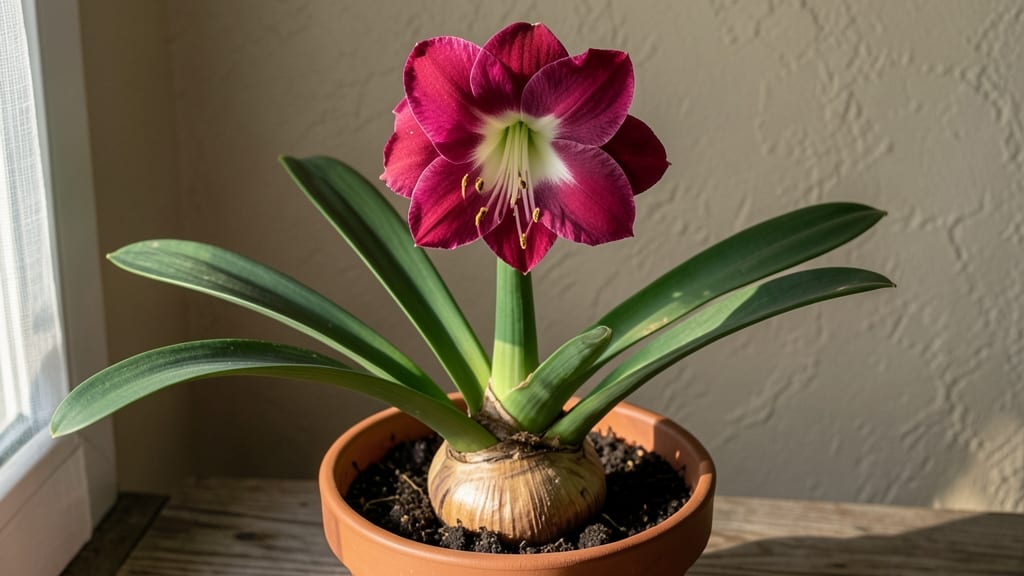
Your amaryllis flowering time depends on when you plant the bulbs and where you live, but with the right timing, you can enjoy those showstopping 🌸 blooms from December through February.
Picture this: You’ve waited months, and suddenly, a bold flower stalk shoots up, unfurling into a cluster of vibrant blooms just in time for the holidays. But getting there isn’t just luck—it’s about understanding your zone, light needs, and dormancy cycles.
In Zone 6a and warmer, outdoor amaryllis planted in late summer will typically bloom from January through March, while indoor varieties forced in fall can flower as early as December.
The key? Planting bulbs 6-8 weeks before your first frost and giving them the right conditions to trigger those stunning blooms.
Below, I’ll break down the exact months for your zone, how to adjust flowering time naturally, and what to do if your amaryllis isn’t cooperating. No guesswork—just reliable, zero-frost blooms.
Exact amaryllis flowering months by USDA hardiness Zone (indoor vs outdoor)
Amaryllis bulbs are famous for their dramatic winter blooms, but their exact flowering time shifts dramatically based on whether you grow them indoors as houseplants or outdoors in garden beds.
In colder zones (3-7), outdoor amaryllis need frost protection, while warmer zones (8-11) can enjoy year-round growth with proper care. The key to predicting blooms lies in understanding your USDA hardiness zone and the 6-8 week growth cycle from bulb planting to flower opening.
Forced indoor amaryllis typically bloom 6-8 weeks after planting, while outdoor varieties time their blooms to avoid frost—usually late fall to early spring.
In Zone 3, outdoor amaryllis may only flower once every 2-3 years due to harsh winters, while Zone 11 gardeners can enjoy year-round blooms with minimal dormancy. Let’s break down the exact months for each zone and how to extend your blooming season.
📌 PRO TIP: All amaryllis need 10-12 hours of darkness daily for 6 weeks before blooming. This "long night" trick forces buds to form—critical for indoor plants!
| USDA Zone | Indoor Blooming Window | Outdoor Blooming Window | Planting Time for Winter Blooms | Frost Strategy |
|---|---|---|---|---|
| 3-5 | Dec 15 - Feb 15 | May 1 - June 15 (if survived winter) | Aug 1 - Sep 15 (force indoors) | Mulch heavily + frost cloth |
| 6-7 | Dec 1 - Feb 20 | Oct 15 - Nov 30 | Jul 15 - Aug 30 | Dig up bulbs before frost |
| 8-9 | Nov 15 - Jan 31 | Sep 15 - Dec 15 | Jun 1 - Jul 31 | None needed (hardy outdoors) |
| 10-11 | Oct 1 - Dec 31 | Aug 15 - Nov 30 | Year-round (rebloom) | None (tropical varieties) |
In Zones 3-5, outdoor amaryllis are not reliably perennial—they often die back in winter. That’s why I recommend treating them as annuals or lifting bulbs before frost.
For indoor forcing, plant bulbs in August-September to bloom by Christmas. The secret? Keep them in 60-70°F temperatures and low light until buds form.
Gardeners in Zones 6-7 can push their luck with outdoor plantings, but expect blooms to shift to late fall (October-November) if planted in summer. I’ve seen stunning displays in Zone 6 gardens when bulbs are planted in July—just cover them with straw mulch before the first frost.
For guaranteed blooms, force indoors in September for December-January flowers.
Warmer zones (8-11) offer the most flexibility. In Zone 9, outdoor amaryllis often bloom twice a year—once in fall and again in spring—if given proper dormancy.
In Zone 11, you can treat them as tropical perennials, planting year-round for continuous blooms. Just ensure they get bright indirect light and well-draining soil.
💡 KEY INSIGHT: Amaryllis bulbs need 6-8 weeks of consistent care before flowering. Rushing this process (like planting too late) delays blooms or results in smaller, weaker flowers. Patience pays off with larger, more vibrant blooms!
To extend your blooming season, try this two-flower trick: Plant one batch in July for winter blooms and another in October for spring flowers. This works in
5 Proven tricks to force earlier or later blooms (without chemicals)
Timing your amaryllis flowering time is easier than you think—no chemicals required! By tweaking a few natural factors, you can coax blooms weeks earlier or delay them for summer displays. The secret lies in understanding how light exposure, temperature control, and planting windows trigger growth cycles.
Whether you're growing amaryllis indoors or outdoors, these tricks work for both scenarios.
Forcing earlier blooms is perfect if you crave winter cheer sooner, while delaying blooms extends your summer garden's beauty. The key is manipulating the plant's natural dormancy period without harming it.
Let's dive into my top 5 methods that have worked beautifully in my own garden—and for fellow gardeners across different USDA hardiness zones.
- Light Exposure Hack: Place bulbs under 12-14 hours of light daily for 6-8 weeks before desired bloom time. Use grow lights if natural light is insufficient.
- Temperature Control: Store bulbs at 40-50°F for 8-10 weeks (chilling period) to trigger blooming. Use a refrigerator's crisper drawer for indoor bulbs.
- Bulb Chilling Technique: For summer blooms, skip chilling and plant bulbs in late spring (Zones 8-11) or use heat mats to warm soil in cooler zones.
- Seasonal Planting: Plant outdoor bulbs 6-8 weeks before last frost for winter blooms, or after last frost for summer displays in warmer climates.
- Watering Schedule: Reduce watering 4-6 weeks before desired bloom time to mimic natural drought stress, then resume normal care.
My favorite trick for earlier blooms is the light exposure method. Simply move your amaryllis to a sunny south-facing window or under grow lights 8 weeks before your target bloom date.
This mimics the longer daylight hours of late summer, tricking the plant into thinking it's time to flower. I've seen blooms appear 3-4 weeks earlier using this technique alone!
For delayed summer blooms, I recommend the temperature control method. After your amaryllis blooms in winter, let it enter dormancy naturally, then store the bulb in a cool, dark place until late spring.
When you replant, the warm soil will trigger new growth and blooms just as summer begins. This works especially well in Zones 9-11 where summer heat is already established.
Don't forget about watering adjustments—this subtle change can make a big difference. When you want to delay blooms, reduce watering 4-6 weeks before your target date. This creates a mild stress that pauses flower development.
Once you've achieved your desired timing, return to normal watering and your amaryllis will follow its natural cycle. Just remember: never let the soil dry completely during this process.
Outdoor gardeners can use seasonal planting windows to their advantage. In cooler climates (Zones 3-7), plant bulbs 6-8 weeks before your first frost for reliable winter blooms.
For summer displays, wait until after your last frost date to plant. This simple timing adjustment can shift your blooming season by 6 months without any extra effort!