
Flowers
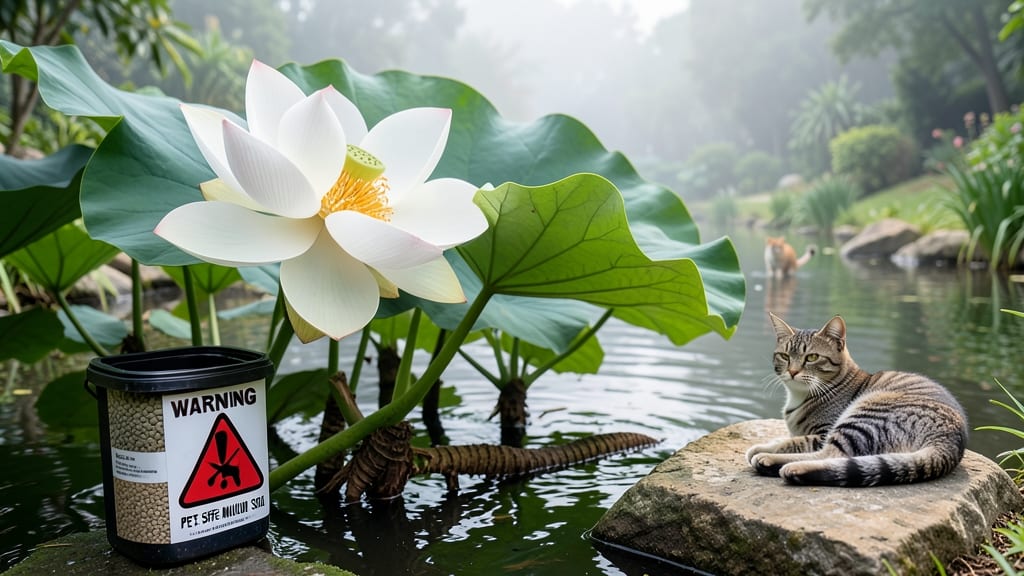
Are lotus flowers poisonous to cats? 🌸 Yes—they can be toxic, with symptoms ranging from mild stomach upset to serious neurological issues depending on how much your cat ingests.
If your cat has ever sniffed, nibbled, or even just brushed against your lotus flowers, you might be wondering: Could this delicate bloom be dangerous? The answer isn’t as straightforward as you’d think—lotus flowers contain compounds that can cause mild to severe reactions in cats, depending on exposure.
Even a small nibble on the petals or leaves might trigger vomiting, drooling, or lethargy, while larger amounts could lead to more severe symptoms like difficulty breathing or seizures.
That’s why it’s critical to recognize the signs early and know what to do if your curious feline gets into your garden.
In this guide, I’ll break down the toxic compounds in lotus flowers, how to spot poisoning symptoms, and what steps to take if your cat is exposed. Plus, I’ll share pet-safe alternatives so you can keep your garden beautiful without putting your furry friend at risk.
Lotus flower toxicity in cats: symptoms and severity levels
Lotus flowers (Nelumbo spp.) are stunning aquatic plants, but their toxic compounds—like sesquiterpene lactones and alkaloids—pose real risks to curious cats. While not as deadly as lilies, lotus ingestion can still trigger gastrointestinal distress and even neurological symptoms.
The severity depends on the plant part consumed and your cat’s size.
Petals contain the highest concentration of toxins, while roots and leaves are less dangerous but still problematic. A single nibble might cause mild symptoms, but larger ingestions—especially of roots—can lead to severe reactions. Always monitor your cat’s behavior around these plants, even if they’ve only sniffed them.
| Plant Part | Toxic Compounds | Symptom Severity | Risk Level |
|---|---|---|---|
| Petals | Sesquiterpene lactones | Mild to moderate | High |
| Leaves | Alkaloids | Moderate | Medium |
| Roots | Sesquiterpenes | Severe | Critical |
| Stems | Low alkaloids | Mild | Low |
Mild reactions typically appear within 6 to 12 hours of ingestion and include drooling, vomiting, and diarrhea. These symptoms usually resolve within 24–48 hours with supportive care.
However, if your cat consumes roots, they may experience lethargy, loss of appetite, or even seizures in extreme cases.
A case study from the ASPCA Animal Poison Control Center documented a 5-pound cat that ate a single lotus petal and suffered mild vomiting for 12 hours. Another case involved a 10-pound cat that chewed on roots, leading to neurological symptoms like stumbling and excessive drooling, requiring veterinary intervention.
Neurological symptoms—such as disorientation or weakness—are rare but more likely with root ingestion. These signs indicate a severe reaction and require immediate veterinary attention. Even if your cat seems fine, monitor them for delayed symptoms like jaundice or kidney issues, which can appear days later.
Young cats and kittens are at higher risk due to their smaller size and curiosity. A single petal might trigger symptoms in a kitten that wouldn’t affect an adult cat.
Always keep lotus flowers out of reach, especially if your cat has a history of plant nibbling or pica (eating non-food items).
If you suspect your cat has ingested lotus, remove any remaining plant material from their mouth and contact your vet immediately. Never induce vomiting without professional guidance, as some toxins can cause esophageal burns during regurgitation.
Keep the lotus plant container or a sample of the ingested part for diagnostic purposes.
For gardeners with cats, consider cat-safe alternatives like marigolds or sunflowers, which are non-toxic and add vibrant color to your outdoor space. These plants provide similar aesthetic appeal without the toxic risks associated with lotus flowers.
Always err on the side of caution—when it comes to your cat’s safety, prevention is key. Even if lotus flowers seem harmless, their toxic compounds can turn a playful moment into a medical emergency. 🌸
What to do if your cat ingests lotus flowers: emergency steps
If you’ve just caught your curious feline nibbling on your lotus flowers, don’t panic—but act quickly. Lotus flowers (Nelumbo spp.) contain sesquiterpene lactones and mild alkaloids that can irritate your cat’s digestive system or even trigger neurological symptoms in larger doses.
Even small amounts of petals or leaves may cause discomfort, so knowing the right steps can make all the difference.
The first 30 minutes after ingestion are critical. Your cat might show signs like drooling, vomiting, or lethargy within hours, but symptoms can also take 6-12 hours to appear.
If you suspect your cat has eaten any part of the lotus—roots, stems, or flowers—start by removing them from their mouth if visible. Use a clean cloth or your fingers (wrapped in a towel) to gently wipe away debris, but never induce vomiting without vet guidance.
⚠️ callout warning ⚠️ ⚠️ NEVER WAIT TO SEEK HELP ⚠️ Mistake: Assuming symptoms will pass on their own. Risk: Lotus toxicity can escalate to seizures, kidney damage, or coma if untreated.
Even mild cases may require IV fluids or activated charcoal to prevent absorption. Action: Call your vet or the ASPCA Animal Poison Control Center (888-426-4435) immediately.
Have the plant part ingested and your cat’s weight ready—this info helps the vet determine urgency. ⚠️ Pro Tip: Take a photo of the plant for confirmation if unsure.
Next, monitor your cat closely for emergency symptoms like seizures, difficulty breathing, or bloody vomiting. These signs mean you should rush to the nearest emergency vet.
For less severe reactions—mild vomiting, diarrhea, or excessive drooling—your vet may recommend activated charcoal or supportive care like hydration therapy. Keep your cat calm and confined to a quiet space while waiting for professional advice.
Even if your cat seems fine after 24 hours, schedule a follow-up vet visit. Some symptoms, like liver or kidney strain, may not appear until 48-72 hours post-ingestion. Bring any remaining plant material to the vet for analysis, as this can help them tailor treatment.
Avoid giving your cat milk, human medications, or home remedies—these can worsen toxicity or interfere with vet care.
To prevent future incidents, consider rearranging your garden to place lotus flowers in cat-inaccessible areas, like raised beds or hanging planters. If you love the look of lotus blooms but want a pet-safe alternative, opt for marigolds or sunflowers, which are non-toxic and equally vibrant.
Always double-check plants with the ASPCA’s toxic plant database before adding them to your yard.
Remember, prevention is key. If your cat is a frequent garden visitor, create a dedicated cat-friendly zone with cat grass or wheatgrass to distract them from toxic plants. With quick action and vigilance, you can keep your feline friend safe while still enjoying your lotus garden’s beauty.