
Watering
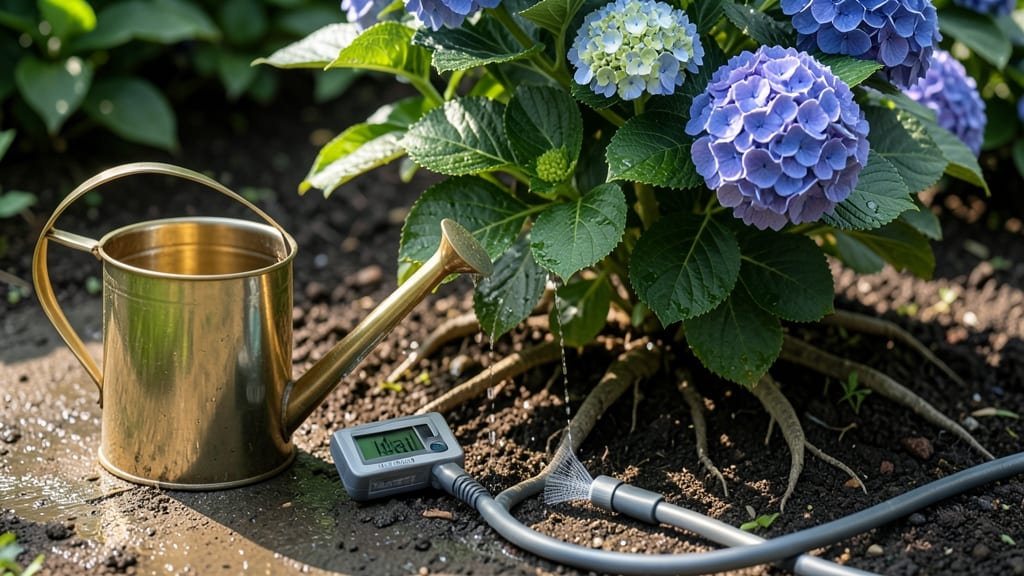
The best time to water flowers outside is early morning when the air is cool and evaporation is minimal, giving your 🌸 blooms the strong start they need.
Did you know that watering your flowers at the wrong time can waste up to 30% of your water while stunting root growth? The secret to lush, thriving blooms lies in timing—and early morning is the golden window most gardeners overlook.
When you water in the morning, you’re not just saving water—you’re also preventing fungal diseases that thrive in damp leaves overnight. Plus, roots absorb moisture more efficiently when temperatures are cooler, leading to healthier plants with deeper root systems.
Below, I’ll break down the science behind morning watering, how to adjust for summer heat or winter dormancy, and the simple routine that keeps your flowers blooming all season long.
Why early morning is the optimal time to water outdoor flowers
Watering your outdoor flowers at the wrong time can feel like throwing money away—literally. Up to 30% of water evaporates when applied during peak heat, while nighttime watering invites fungal diseases.
But morning watering? That’s the secret weapon for thriving blooms. Science backs it: cooler temps, lower evaporation, and roots soak up moisture before the sun peaks.
The early morning (before 8 AM) aligns perfectly with a flower’s natural cycle. When you water then, moisture penetrates 6-12 inches deep, encouraging roots to grow toward that hydration.
Plus, leaves stay dry longer, reducing powdery mildew and blight risks. It’s like giving your plants a hydration jumpstart for the day ahead.
Here’s why morning watering trumps other times—especially when you adjust for your climate:
| Factor | Early Morning (6-8 AM) | Midday (10 AM-4 PM) | Evening (6-8 PM) |
|---|---|---|---|
| Evaporation Rate | Low (10-20%) | High (30-50%) | Moderate (20-30%) |
| Fungal Risk | Low (leaves dry fast) | High (heat + moisture) | High (moisture lingers) |
| Root Absorption | Deep (6-12 inches) | Shallow (top 2 inches) | Moderate (3-6 inches) |
| Best For Climate | Arid & Humid | Avoid (wasteful) | Humid (risky) |
| Water Waste | Minimal (90% used) | Maximal (70% lost) | Moderate (80% used) |
In arid regions, morning watering is non-negotiable. The cooler air means less water loss, and roots have time to absorb before the midday sun turns soil to concrete. I’ve seen succulents and roses thrive with morning hydration—even in 100°F heat—because the moisture reaches deep roots before evaporating.
For humid climates, the stakes are different. While morning watering still prevents fungal issues, you’ll need to space waterings further apart (every 2-3 days instead of daily).
The key is ensuring leaves dry by mid-morning. If you notice yellowing leaves or mold spots, you’re watering too late or too much.
Another game-changer? Morning watering boosts photosynthesis. When soil is moist at dawn, plants photosynthesize 20-30% more efficiently—meaning bigger blooms and greener foliage. It’s like giving your flowers a natural energy drink to start their day.
Pro tip: If you’re in a coastal area with morning fog, water slightly later (around 9 AM) to avoid leaf burn from water droplets acting like tiny magnifying glasses. Always check your local microclimate—a shaded garden may need watering 30 minutes later than a sunbaked border.
One common myth is that evening watering is better for "nighttime root growth." But roots don’t grow faster at night—they absorb moisture when it’s available. Evening water leaves plants vulnerable to pests and diseases, as moisture lingers on leaves overnight.
I’ve seen aphid infestations explode in gardens watered after sunset.
To make morning watering a habit, set a 5-minute alarm for 6 AM on weekdays. Use a soaker hose or drip irrigation for efficient delivery, and aim for 1-1.5 inches of water per week (adjust for rain).
Your flowers will reward you with longer vase life and vibrant colors—proof that timing is everything in gardening.
🌸
Step-by-step morning watering routine for maximum flower health
I’ve learned the hard way that timing is everything when watering flowers. Morning watering before 8 AM isn’t just a suggestion—it’s a game-changer for root health and water efficiency.
The cooler temperatures and calm winds mean less water evaporation, so every drop reaches your plants’ roots instead of vanishing into the air. Plus, wet leaves dry faster in daylight, reducing fungal risks like powdery mildew.
Start your routine by checking the soil moisture with your finger. If the top 1-2 inches feel dry, it’s time to water. For most annual flowers like petunias or marigolds, aim for 1-2 cups per plant, while perennials like daylilies may need 2-3 cups depending on their size.
Overwatering is just as harmful as underwatering—always let excess water drain away to prevent root rot.
🌱 Your Morning Watering Checklist
- 1 Start before 8 AM when temperatures are cool and winds are calm. This ensures minimal evaporation and maximum absorption.
- 2 Use a soaker hose or drip irrigation to deliver water directly to the soil. Avoid sprinklers, which waste water and encourage leaf diseases.
- 3 Water deeply—aim for 6-8 inches of soil moisture. Lift a trowel to check depth; if it’s dry, keep watering until moisture reaches the base of the plant.
- 4 Adjust for plant type: Delicate blooms (like roses) need gentle, frequent watering, while drought-tolerant flowers (like lavender) thrive with infrequent, deep soakings.
- 5 Watch for signs of over/under-watering: Wilting leaves or yellowing foliage signal underwatering, while mushy stems or pale leaves mean you’re overdoing it.
After watering, I always take a moment to inspect my flowers for signs of stress. Drooping petals by midday might mean your plants need more water, while crispy edges on leaves could indicate underwatering or over-fertilization.
Pro tip: Mulch around the base of your plants to retain moisture and keep roots cool—this cuts down on how often you need to water.
Don’t forget to adjust your routine seasonally. In summer heat, you might need to water daily, while winter months often require bi-weekly watering or less.
Pay attention to your local weather forecasts—a few extra minutes of watering after a dry spell can save your blooms from wilting.
By following this routine, you’ll see a noticeable difference in your flowers’ vibrancy and longevity. The key is consistency—stick to the morning schedule, and your garden will thank you with healthier roots, brighter blooms, and less wasted water. Happy gardening! 🌸