
Trees
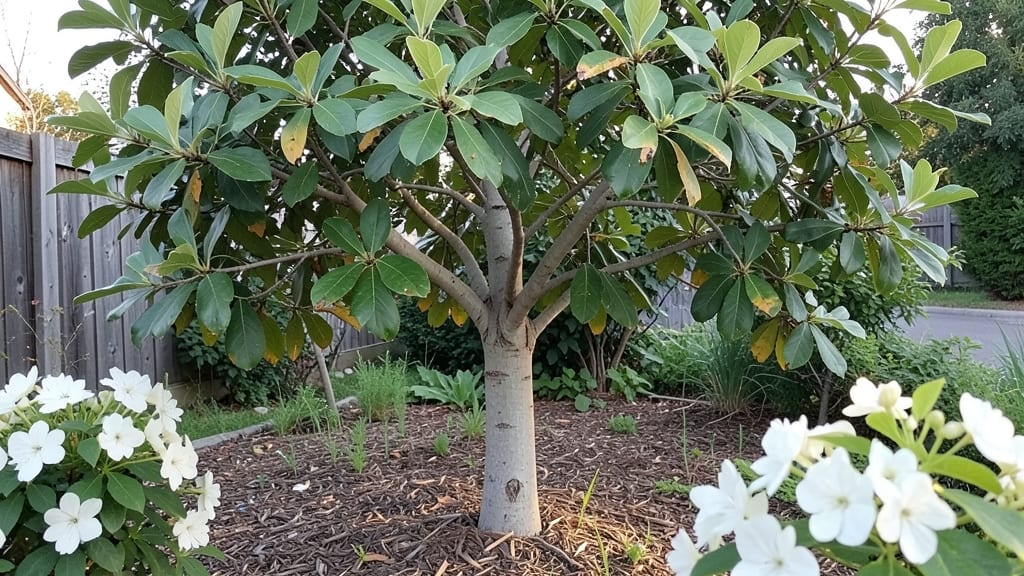
Growing the Aristocrat flowering pear tree 🌸 is the easiest way to turn your yard into a year-round masterpiece—its showstopping blooms, vibrant fall colors, and striking winter bark make it a standout in any landscape.
Picture this: fragrant white blossoms in spring, deep red foliage in autumn, and textured bark that adds winter interest—all on one tree. That’s why gardeners in USDA Zone 6a and beyond are snapping up this 20-foot beauty faster than you can say "low-maintenance."
But here’s the catch: planting it right is key. Too much shade? Fewer flowers. Poor soil? Stunted growth. Skip the guesswork and follow my step-by-step guide to get that spring bloom every time—plus pruning secrets to keep it thriving for decades.
Ready to add drama to your landscape? I’ll walk you through everything from soil prep to seasonal care, so you can enjoy this four-season showstopper without the headaches.
Why the Aristocrat Flowering Pear tree stands out in landscapes
The Aristocrat Flowering Pear Tree isn't just another ornamental tree—it's a year-round spectacle that transforms any landscape. Its fragrant white blossoms in spring create a romantic atmosphere, while its exfoliating bark adds winter interest. This tree stands out because it delivers four distinct seasons of beauty without requiring multiple plants.
Whether you're designing a formal garden or a casual backyard, this tree brings unmatched visual impact with minimal effort.
What makes this tree truly special is its adaptability to various climates and its ability to thrive in urban environments. Unlike many flowering trees that rely on perfect conditions, the Aristocrat Flowering Pear handles pollution, drought, and compacted soil with grace.
This resilience makes it perfect for city landscapes, parks, and suburban yards alike. Plus, its moderate growth rate means you'll enjoy its beauty for decades without it becoming unmanageable.
Here’s how this tree shines in each season, along with its hardiness zones and growth habits to help you plan the perfect spot:
| Season | Visual Feature | Hardiness Zones | Growth Habit |
|---|---|---|---|
| Spring | Fragrant white blossoms | 4-8 | Upright, rounded canopy |
| Summer | Deep green, glossy foliage | 4-8 | Moderate growth rate |
| Autumn | Fiery red-orange foliage | 4-8 | 20-30 ft mature height |
| Winter | Exfoliating cinnamon bark | 4-8 | Drought-tolerant once established |
In spring, the Aristocrat Flowering Pear bursts into bloom with highly fragrant white flowers that cover the tree in a cloud of beauty. These blossoms attract pollinators like bees and butterflies, adding life to your garden.
The scent alone makes it a favorite for wedding venues and romantic garden spots. Plant it near patios or seating areas to enjoy the natural perfume while relaxing outdoors.
During summer, its deep green, glossy foliage provides a lush backdrop for other plants. The leaves are broad and healthy-looking, creating a dense canopy that offers shade and privacy.
This season is also when the tree establishes its structural strength, making it ideal for windbreaks or foundation plantings. Just ensure it gets at least 6 hours of sunlight daily to maintain its vibrant color.
Autumn transforms the Aristocrat Flowering Pear into a flaming spectacle with foliage that turns deep red and orange. This seasonal color change is one of its most stunning features, rivaling maples but with less maintenance.
The fiery hues make it a standout in fall landscapes, especially when paired with golden shrubs or evergreens. Its moderate size also makes it perfect for smaller yards where larger trees might overwhelm.
The real magic happens in winter, when the tree’s exfoliating bark becomes the star. The cinnamon-colored bark peels away in strips, revealing layers of texture that add visual interest to bare branches. This unique feature ensures your landscape remains dynamic even when other plants are dormant.
Plus, its hardiness in zones 4-8 means it survives harsh winters without extra care, making it a low-maintenance winter wonder.
When planting, consider its mature size of 20-30 feet and give it space to grow. Place it where you can appreciate all four seasons of its beauty, such as near a large window, driveway, or garden path.
For urban gardens, its pollution tolerance makes it a great choice for city streets or rooftop gardens. Just avoid planting it too close to sidewalks or foundations to prevent root conflicts.
One of my favorite spots for this tree is as a focal point in a mixed border, surrounded by perennials and shrubs that complement its seasonal changes. For example, pairing it with purple coneflowers in summer and evergreen shrubs in winter creates a harmonious year-round display.
Its versatility and low-maintenance nature make it a top pick for both novice and experienced gardeners.
If you're looking for a tree that delivers beauty without the hassle, the Aristocrat Flowering Pear
How to plant and care for Aristocrat Flowering Pear trees
The Aristocrat Flowering Pear Tree (Pyrus calleryana 'Aristocrat') thrives with proper planting and care, offering year-round interest from its fragrant spring blooms to stunning winter bark.
Start by selecting a sun-drenched spot with well-draining soil—the foundation for healthy growth. This disease-resistant tree rewards patience with vibrant foliage and minimal maintenance once established.
When planting, timing is everything. Aim for late spring or early fall to avoid extreme temperatures. The Aristocrat Pear matures between 20-30 feet tall, so give it space—at least 20 feet from structures and other trees.
Amend heavy clay soil with compost or sand to prevent root rot, a common issue for young trees.
Never plant in waterlogged soil—this tree's roots rot quickly in soggy conditions. The Aristocrat Pear has moderate drought tolerance once established, but young trees need consistent moisture during their first 2 growing seasons. If your yard has poor drainage, plant on a mound or raised bed to ensure success.
Begin by digging a hole twice as wide as the root ball but no deeper. Gently remove the tree from its container and loosen any circled roots at the bottom.
Place the tree in the hole so the root flare (where roots meet trunk) sits 1-2 inches above soil level. Backfill with native soil mixed with compost, tamping lightly to remove air pockets.
Water deeply after planting—20 liters (5 gallons) should soak the root zone. Mulch with 3-4 inches of organic mulch (like wood chips) to retain moisture and suppress weeds, but keep mulch 6 inches away from the trunk to prevent rot.
For the first 2 years, water weekly during dry spells, aiming for 1-2 inches of water per week.
Pruning plays a crucial role in shaping your Aristocrat Pear and encouraging abundant blooms. Prune in late winter or early spring before new growth begins. Remove dead, diseased, or crossing branches first, then thin out 20% of the canopy to improve airflow.
Avoid heavy pruning—this tree responds better to light shaping than drastic cuts.
Disease prevention starts with proper spacing and airflow. The Aristocrat Pear is resistant to many issues, but fire blight and powdery mildew can still appear. Apply a copper fungicide preventatively in early spring if your area has a history of these problems.
Remove and destroy any infected branches immediately to stop spread. With these care tips, your Aristocrat Pear will flourish for decades, becoming the centerpiece of your landscape.