
Trees
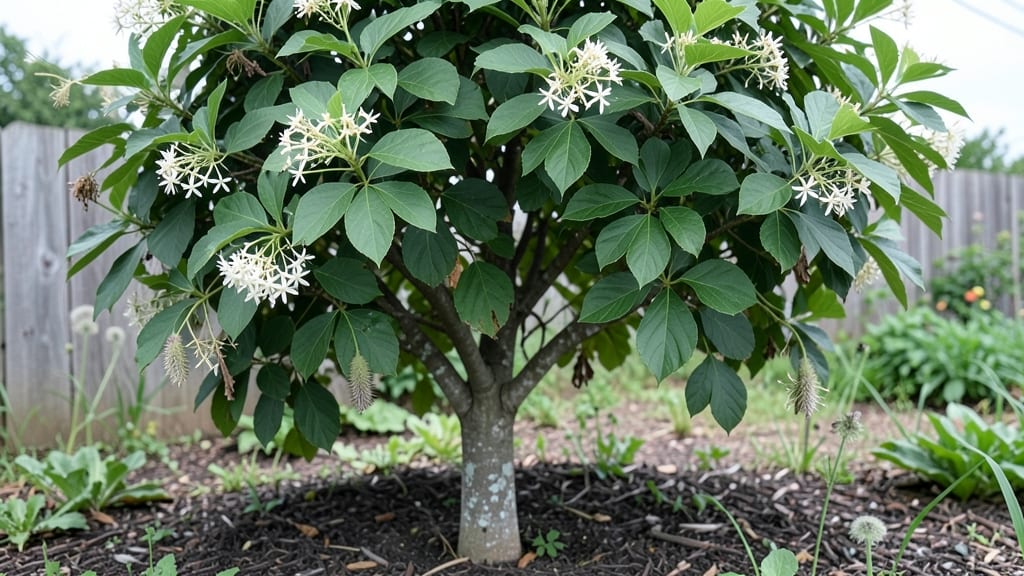
A Japanese flowering tree white 🌸 brings ethereal beauty to any garden with its cascading blooms, but choosing the right one can feel overwhelming.
Imagine a serene garden where delicate white blossoms cascade year-round, creating a peaceful oasis that stands out against any backdrop. These trees aren’t just pretty—they’re resilient, thriving in USDA Zone 6a and beyond, and they adapt to everything from full sun to light shade.
Whether you’re a beginner or a seasoned gardener, picking the perfect white-blooming variety can make all the difference. I’ll walk you through the best options, planting tips, and care secrets to keep your tree flourishing for years.
Ready to transform your outdoor space? Let’s dive into how to select, plant, and maintain a Japanese flowering tree white that steals the show.
Top 5 Japanese white-blooming trees for year-round interest
Japanese white-blooming trees bring ethereal beauty and seasonal variety to any landscape. Whether you crave springtime showstoppers, evergreen elegance, or fall foliage, these five varieties deliver year-round interest with minimal fuss.
I’ve selected trees that thrive in diverse climates—from coastal gardens to inland zones—while offering low-maintenance care and high visual impact.
From the iconic Japanese Snowbell with its fragrant white flowers to the dwarf Japanese Maple perfect for small spaces, each tree on this list earns its place for adaptability and striking aesthetics. Let’s dive into the top five that will transform your garden into a Japanese-inspired sanctuary.
| Tree | White Bloom Season | Mature Height | Hardiness Zones | Sunlight Needs | Care Level |
|---|---|---|---|---|---|
| Japanese Snowbell (Styrax japonicus) | Late spring | 20–30 ft | 5–8 | Partial shade | Low |
| Higan Cherry (Prunus serrulata 'Higan') | Early spring | 25–35 ft | 5–8 | Full sun | Moderate |
| Dwarf Japanese Maple (Acer palmatum 'Snow Fountain') | Spring | 6–10 ft | 5–8 | Partial shade | Low |
| Japanese Pieris (Pieris japonica 'Cavender') | Early spring (evergreen) | 10–15 ft | 6–9 | Partial shade | Low |
| Japanese Zelkova (Zelkova serrata 'Green Vase') | Summer (foliage) | 30–40 ft | 5–8 | Full sun | Moderate |
First up is the Japanese Snowbell, a fragrant understory gem that thrives in partial shade. Its bell-shaped white flowers appear in late spring, followed by red berries that add winter interest.
This tree is a drought-tolerant choice for USDA zones 5–8, making it ideal for woodland gardens or as a specimen plant near patios.
For early spring drama, the Higan Cherry delivers snow-white blossoms before leaves emerge, creating a cloud-like canopy. Unlike its messy pollen-producing relatives, this variety is non-pollinating and low-maintenance.
Plant it in full sun for optimal blooms, and prune lightly after flowering to maintain its natural shape.
The Dwarf Japanese Maple is a compact powerhouse for small gardens, offering delicate white flowers in spring and vibrant fall foliage. Its slow growth rate (6–10 ft tall) makes it perfect for containers or borders.
Ensure it gets morning sun and afternoon shade to prevent leaf scorch, and mulch annually to protect roots in winter.
If you love evergreen structure, the Japanese Pieris (or Andromeda) is a year-round stunner. Its white flower clusters appear in early spring, followed by dark green foliage that stays lush all year.
This acid-loving shrub thrives in partial shade and is deer-resistant, making it a practical choice for urban gardens.
Lastly, the Japanese Zelkova offers textural contrast with its exfoliating bark and summer foliage that turns golden in fall. While not a white-flowering tree, its arching branches create a dramatic silhouette that pairs beautifully with spring-blooming companions.
This tough tree handles urban pollution and dry soil, earning its place in city landscapes.
Each of these trees brings unique textures and colors to your garden while requiring minimal intervention
How to choose the perfect white-blooming Japanese tree for your climate
Selecting the right Japanese white-blooming tree depends on your USDA hardiness zone, sunlight exposure, and soil conditions. These factors determine whether your tree will thrive or struggle, affecting its bloom abundance and longevity.
For example, Higan cherry (Prunus serrulata 'Higan') thrives in zones 5-8 with full sun, while Japanese snowbell (Styrax japonicus) prefers zones 6-9 in partial shade.
Your local climate also dictates the bloom season. Some varieties like Japanese magnolia (Magnolia sieboldii) bloom in early spring, while others such as Japanese camellia (Camellia japonica) flower in late fall or winter. Matching your tree’s bloom cycle to your preferred seasonal interest ensures year-round visual appeal.
- 🌡️ Hardiness Zone: Check your USDA zone—most Japanese white-blooming trees thrive in zones 5-9. For example, Higan cherry (zones 5-8) handles colder winters better than Japanese snowbell (zones 6-9).
- ☀️ Sunlight Needs: Full sun (6+ hours) suits cherry blossoms and magnolias, while partial shade (3-6 hours) works for camellias and Japanese snowbell. Avoid deep shade for optimal blooms.
- 🌱 Soil Type: Most prefer well-draining, slightly acidic soil (pH 5.5-6.5). Amend clay soil with compost or sand to prevent root rot. Japanese maples tolerate slightly alkaline soil better than others.
- 🌷 Bloom Season: Choose based on your preferred bloom time. Spring bloomers like Higan cherry offer dramatic displays, while winter camellias add color in cold months. Evergreen varieties provide year-round structure.
- 🪴 Mature Size: Consider space—standard varieties reach 15-30 feet, while dwarf types stay under 10 feet. For small gardens, opt for Japanese snowbell or miniature cherry cultivars.
Start by researching your local microclimate. Urban areas may have warmer microclimates than rural zones, affecting tree health. For instance, a Japanese magnolia might struggle in a hot, dry city without extra mulch or irrigation.
Test your soil’s drainage by digging a hole—if water pools after 6 hours, amend the soil.
Visit a local nursery to compare trees in person. Look for healthy foliage, no pests, and strong branch structure. Ask staff about climate-specific tips, such as winter protection for tender varieties like Japanese camellia in zone 6. Container-grown trees often establish faster than bare-root options.
Finally, plan for long-term maintenance. Trees like Higan cherry require annual pruning to remove dead wood, while Japanese snowbell benefits from mulching to retain moisture. Factor in watering needs—drought-tolerant varieties like Japanese maple need less frequent watering than camellias, which prefer consistent moisture.
With these steps, you’ll select a white-blooming Japanese tree that not only survives but thrives in your climate, offering seasonal beauty for decades. 🌸