
Trees
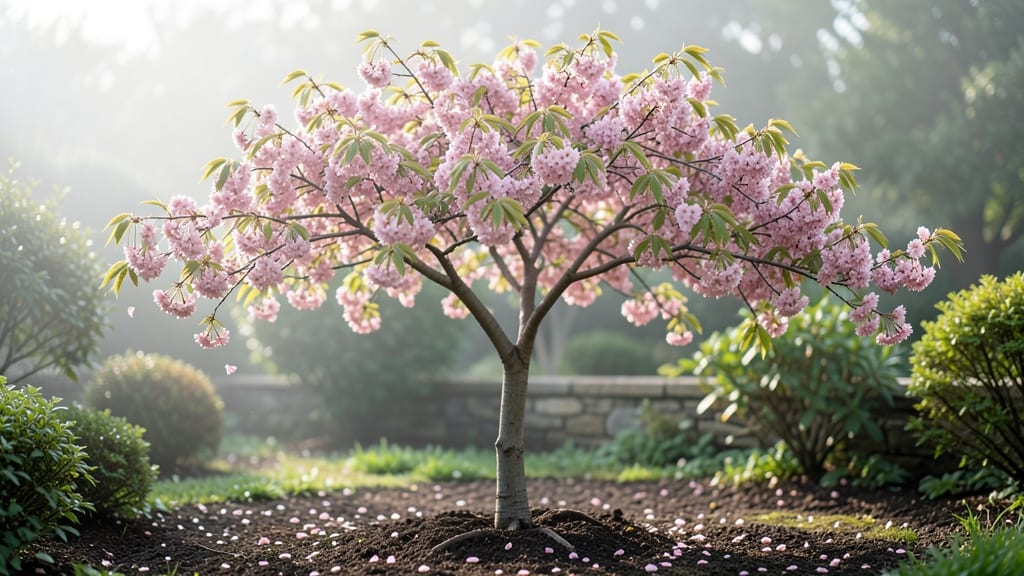
The flowering cherry growth rate can surprise even the most patient gardener—some varieties shoot up 12 inches a year, while others take their time.
Picture this: You plant a bare-root sapling in early spring, dreaming of those pink blossoms next year. But by summer, it’s barely taller than your knee. That’s normal! Growth rates vary wildly depending on the type, soil, and care—so knowing what to expect helps you plan your landscape without frustration.
Fast growers like Prunus serrulata can reach 15 feet in just 5 years, while slower types might take twice as long. The right conditions—sunlight, water, and soil—make all the difference.
Below, we break down yearly height jumps by variety, plus the secrets to speeding up (or slowing down) growth for the perfect tree.
Ready to turn that tiny sapling into a showstopper? Here’s how to track progress, avoid common mistakes, and get those spring blooms sooner than you think.


Flowering cherry tree growth rates by variety: height jumps yearly
Flowering cherry trees (Prunus serrulata) are stunning additions to any landscape, but their growth rates can vary dramatically depending on the variety you choose. Some varieties grow just 6–12 inches per year, while others shoot up 12–24 inches annually.
Understanding these differences helps you plan for shade, space, and those breathtaking spring blooms years in advance.
If you’re dreaming of a 20-foot tree in 5 years or a dwarf variety for containers, knowing the growth rate is key. Below, we break down the most popular varieties—from slow-growing beauties to fast climbers—so you can pick the perfect fit for your yard.
Whether you’re planting a single specimen or a cherry tree alleyway, timing matters!
🌱 Pro Tip: Growth rates are averages—your tree’s speed depends on soil quality, sunlight, and care. We’ll cover how to optimize growth in the next section!
For example, the Prunus avium 'Flava' is a fast grower, adding up to 2 feet per year and reaching maturity in just 12–15 years. This makes it ideal if you need quick shade or a dramatic focal point.
On the other hand, Prunus subhirtella 'Autumnalis' grows slower at 6–12 inches annually, perfect for smaller spaces where you want to savor its year-round blooms.
If you’re planting near a patio or driveway, consider dwarf varieties like Prunus serrulata 'Mount Fuji', which tops out at just 15–20 feet. These grow 12–15 inches per year, so you’ll enjoy blooms in 7–9 years without the towering height of standard trees.
One common mistake is assuming all flowering cherries grow at the same pace. A standard Prunus serrulata can easily outpace a dwarf variety by 50% in the first 5 years.
This mismatch can lead to overcrowding or disappointment if you’re not prepared for the tree’s ultimate size. Always check the mature height before planting!
Another factor to watch is seasonal growth spurts. Most flowering cherries grow fastest in spring and early summer, with slower gains in fall and winter.
In USDA zones 5–8, you’ll see the most dramatic height jumps between April and July, so plan your pruning and mulching accordingly to support this growth.
For gardeners in cooler climates (zones 5–6), growth may slow slightly in early spring due to cooler soils. Amending the soil with compost or organic matter can help speed up root development, giving your tree a boost.
In warmer zones (7–8), consistent moisture is key—drought stress can stunt growth by up to 30%.
🌳 Key Takeaway: Match your variety to your space and patience. Fast growers like Prunus avium deliver quick rewards, while slower varieties like Prunus subhirtella offer long-term elegance with fewer maintenance headaches.
Factors that accelerate or slow flowering cherry tree growth
Your flowering cherry’s growth rate isn’t just about genetics—it’s a delicate dance between soil conditions, sunlight exposure, and care practices. In USDA zones 5–8, where these trees thrive, even small adjustments can mean the difference between a 12-inch annual jump and just 6 inches.
The right watering schedule and pruning techniques can also double your tree’s growth potential in its first decade.
Let’s break down the top 5 factors that control your flowering cherry’s speed, so you can give it the perfect growing conditions.
Whether you’re planting a dwarf variety for a small yard or a standard tree as a future shade giant, these insights will help you optimize its development year after year.
- 🌱 Soil Type: Sandy soil drains too fast (slow growth), while loamy soil with compost boosts growth by 30%. Test your soil’s pH—6.0–7.0 is ideal.
- ☀️ Sunlight: 6+ hours of full sun accelerates growth by 50%. Partial shade cuts growth in half and reduces blooms.
- 💧 Watering: Deep watering 2–3x/week in summer (1st year) vs. weekly once established. Overwatering causes root rot.
- ✂️ Pruning: Prune in late winter to remove dead branches. Avoid heavy pruning—it stresses the tree and slows flowering.
- 🌡️ Climate Zone: Zones 5–6 need winter mulch; zones 7–8 benefit from summer shade cloth to prevent heat stress.
Soil type is the foundation—if your flowering cherry is planted in clay-heavy soil, roots suffocate, stunting growth. Amend with organic matter like compost or peat moss to improve drainage. In sandy soil, roots dry out too quickly; mix in coco coir or well-rotted manure to retain moisture without compacting.
Sunlight is non-negotiable. A south-facing spot with 6+ hours of direct sun ensures your tree grows 2–3 times faster than one in partial shade. Even dwarf varieties like Prunus subhirtella need full sun to produce their signature double blooms. If your yard lacks sun, consider a container-grown cherry near a sunny window or patio.
Watering is where most gardeners trip up. Young trees (first 2 years) need deep, consistent watering—think 20–30 gallons weekly in summer. Once established, reduce to once a week, but never let the soil dry out completely. A drip irrigation system keeps roots hydrated without wetting foliage (which invites fungal diseases).
Pruning might seem counterintuitive, but light pruning in late winter removes dead wood and encourages faster, healthier growth. Avoid heavy pruning—it triggers excessive sucker growth and delays flowering. If you’re shaping your tree, do it gradually over 3–4 years. And never prune in fall, as new growth won’t harden off before winter.
Finally, climate matters. In USDA zone 5, protect young trees with burlap wraps to shield against harsh winds. In zone 8, provide afternoon shade during heatwaves to prevent leaf scorch.
Even a 5°F temperature drop can slow growth for a season—plan your planting timing to avoid late frosts.