
Size
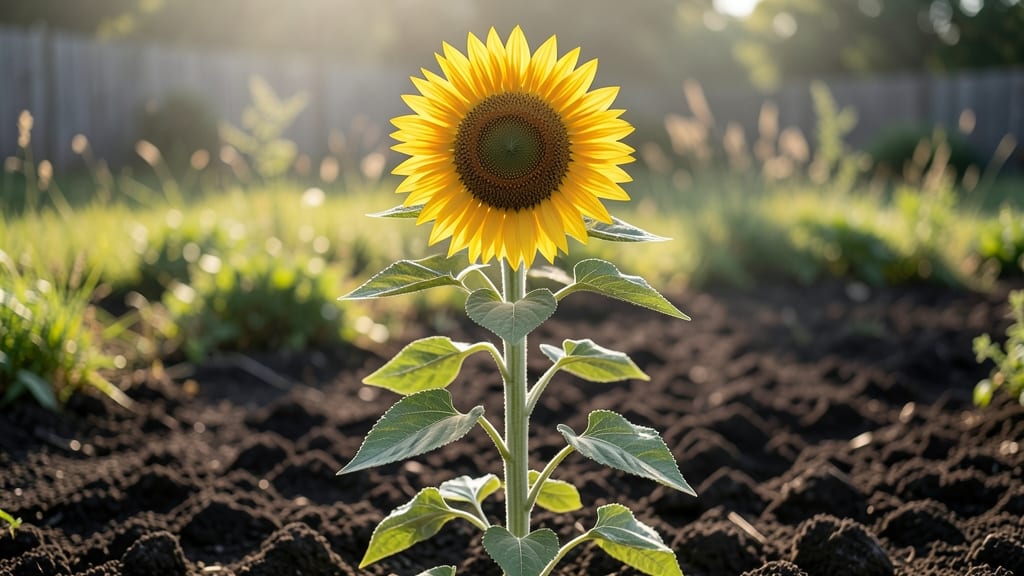
Mammoth sunflowers 🌻 can grow to 12 to 16 feet tall—taller than most gardeners realize, and far beyond what standard varieties achieve.
If you’ve ever dreamed of towering sunflowers that turn heads in your garden, these giants might be your perfect match—but first, you need to know how massive they can get. These sunflowers aren’t just for show; they’re a statement piece that can reach heights most gardeners never expect.
Not all Mammoth sunflowers are created equal, though. Some varieties like 'Russian Giant' may hit 14 feet, while others like 'Mammoth' stay closer to 10 to 12 feet. The difference comes down to genetics, soil quality, and how much sunlight they soak up.
In this guide, I’ll break down the height ranges by variety, share tips for maximizing their growth, and explain how to support those towering stems so they don’t flop over. Ready to grow sunflowers that reach for the sky?
Mammoth sunflower height ranges by variety: what to expect
If you’re planning to grow Mammoth sunflowers, knowing their height potential is crucial for garden layout and support needs. These varieties dwarf standard sunflowers, often reaching 12-16 feet or taller with ideal conditions. Unlike their 3-6 foot cousins, Mammoths require serious space and structural support to prevent toppling.
Not all Mammoth varieties grow to the same height—some stay shorter while others push 20 feet in perfect conditions. The key factors are genetics, soil quality, and sunlight exposure.
Even within the same variety, heights can vary by 2-4 feet depending on your growing zone and care routine.
The Russian Giant variety is the most famous Mammoth, often cited as the tallest sunflower in the world. However, newer hybrids like Mammoth Russian and Autumn Beauty offer slightly shorter but equally impressive heights. Below is a detailed comparison of the most popular varieties and their mature sizes.
| Variety | Mature Height | Bloom Time | Growth Speed | Notes |
|---|---|---|---|---|
| Russian Giant | 12–20 ft | 80–100 days | Very Fast | World-record holder; needs staking |
| Mammoth Russian | 10–14 ft | 75–90 days | Fast | More compact than Russian Giant |
| Autumn Beauty | 8–12 ft | 90–110 days | Moderate | Bicolor flowers; great for cut arrangements |
| Mammoth Single | 10–14 ft | 70–85 days | Fast | Single blooms; classic look |
| Giant Russian | 14–18 ft | 85–100 days | Very Fast | Needs strong support; drought-tolerant |
When comparing Mammoth sunflowers to standard varieties, the difference is dramatic. A typical dwarf sunflower might reach 3-4 feet, while Mammoths can 5x that height. This makes them ideal for privacy screens, landmark plants, or even vertical gardens with proper support.
The Russian Giant variety often steals the show with its 12-20 foot stems, but it requires extra care to reach its full potential. If you’re short on space, Autumn Beauty or Mammoth Single offer impressive heights (8-12 feet) without overwhelming your garden layout.
One common misconception is that all Mammoth sunflowers grow equally tall. In reality, soil nutrients, watering consistency, and sunlight exposure play huge roles. A well-fed plant in full sun will outpace one in partial shade or poor soil by 30-50% in height.
For gardeners in USDA Zones 5-9, Mammoth sunflowers thrive with 6-8 hours of sunlight daily. In cooler zones (Zone 4 or below), growth may be slower, but heights can still reach 10-12 feet with proper care.
Always plant seeds 1 inch deep and 6-12 inches apart to avoid overcrowding, which stunts growth.
If you’re growing Mammoth sunflowers for cut flowers, aim for varieties like Autumn Beauty, which produce long-lasting blooms even after cutting. Their 8-12 foot height makes them perfect for bouquets and arrangements, while their vibrant colors add drama to any garden.
Remember, the taller the sunflower, the more support it needs. Without proper staking or caging, even the hardiest varieties can topple in wind or rain. Plan ahead by installing bamboo stakes or tomato cages early in the growing season.
Key factors that influence Mammoth sunflower growth size
Your Mammoth sunflower's final height isn't just luck—it's a mix of science and care. These towering beauties can reach 12 to 16 feet when given ideal conditions, but many gardeners see smaller results due to overlooked factors.
The good news? You have direct control over most of these variables to unlock their full potential.
Let's break down the four critical factors that determine whether your sunflowers will grow like skyscrapers or stay more like shrubs. Understanding these will help you plan your garden layout and care routine for maximum impact.
The right combination of sunlight, soil, water, and space can push your sunflowers to their genetic limits—and beyond what you might expect!
- 1 Sunlight exposure: Mammoth sunflowers need 6-8+ hours of full sun daily. Even partial shade can reduce height by 30-50%. Place them in the sunniest spot in your yard—south-facing areas are ideal in the Northern Hemisphere.
- 2 Soil quality: Well-draining, nutrient-rich soil with a pH of 6.0-7.0 is essential. Compacted or poor soil can stunt growth by up to 4 feet. Amend with compost before planting for best results.
- 3 Watering habits: Deep, consistent watering (1-2 inches per week) prevents stunted growth. Underwatering causes weak stems, while overwatering leads to root rot. Water at the base in the morning to maximize absorption.
- 4 Spacing requirements: Plant seeds 12-18 inches apart to prevent competition. Crowding reduces height by 20-30% as plants fight for nutrients. Give them room to spread their roots and reach their full potential.
Don't overlook the importance of fertilization—these giants need regular feeding. A balanced 10-10-10 fertilizer applied every 4-6 weeks during the growing season can add 2-3 feet to their final height. I recommend starting with a light feed when seedlings emerge to encourage strong root development.
Another often-missed factor is wind exposure. While some airflow is good, strong winds can cause stems to lean or snap. If your garden is windy, consider planting near a fence or using soft ties to stakes to support their height.
This simple step can prevent your sunflowers from growing crooked or falling over.
Finally, remember that variety matters. Some Mammoth sunflower types like 'Russian Giant' consistently reach 14-16 feet, while others may max out at 10-12 feet. Always check the seed packet for specific height expectations and tailor your care accordingly.
With these factors in mind, you'll be well on your way to growing sunflowers that truly live up to their name!