
Shrubs
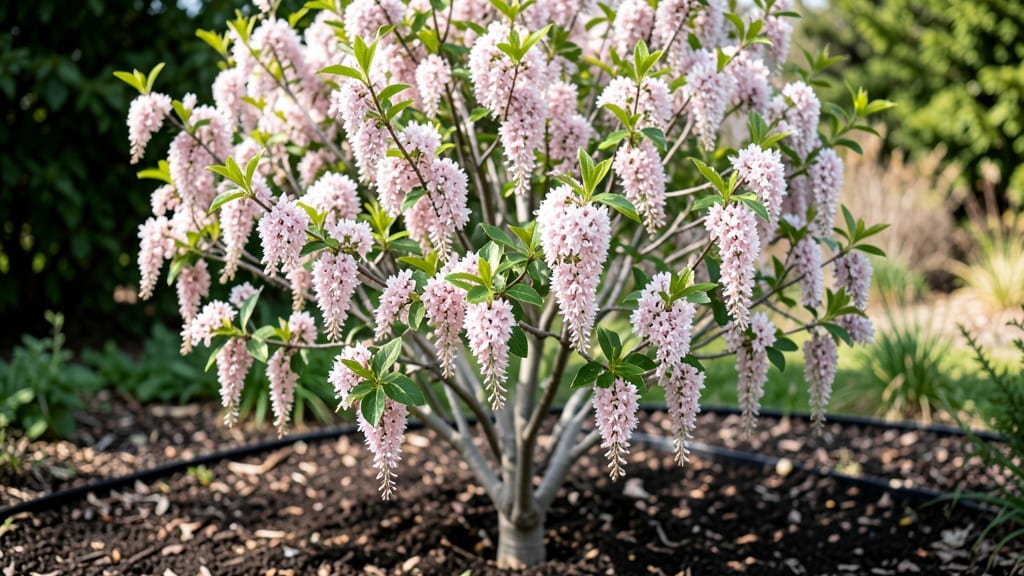
The flowering almond size you choose for your garden can make or break your pruning success and bloom display—because a 10-foot difference between varieties means the wrong pick could turn your dream tree into a space hog.
Picture this: You plant a dwarf variety in a cozy patio pot, only to watch it outgrow its container by summer. Or you prune a standard Prunus triloba too aggressively, triggering a wild, leggy growth spurt that ruins its shape.
The truth? Size isn’t just about height—it’s about spacing, sunlight, and even flowering intensity.
From 'Snow Fountains' that stay under 6 feet to 'Royal Purple' giants reaching 12 feet, each variety has a sweet spot for pruning, blooms, and garden fit.
Below, I’ll break down the exact mature sizes by type, when to prune for maximum blooms, and how to squeeze a full-size display into a small yard.
Whether you’re planning a container garden or a backyard centerpiece, knowing these ranges lets you avoid common mistakes and keep your flowering almond thriving for decades.


Flowering almond tree height by variety: exact mature size ranges
Choosing the right flowering almond variety isn’t just about stunning pink or white blooms—it’s about planning for the exact mature height that fits your space. Some varieties like 'Royal Purple' can reach 12 feet tall, while others like 'Snow Fountains' stay compact at 6 feet.
Understanding these differences helps you avoid overcrowding, ensures proper sunlight exposure, and prevents pruning headaches later. Let’s explore the size ranges of 10 popular varieties so you can pick the perfect fit for your garden.
Flowering almonds (Prunus triloba) grow at different rates depending on the variety, climate, and growing conditions. In USDA Zone 6-8, most varieties reach 70-80% of their mature height within 3-5 years.
However, dwarf varieties like 'Dwarf Flowering Almond' max out at 4-6 feet, making them ideal for containers or small yards. Meanwhile, standard varieties can tower over 10 feet, requiring careful spacing and pruning to maintain health and blooms.
Here’s the key factor most gardeners overlook: spacing requirements. Planting a 12-foot variety too close to your house or patio can lead to root competition and reduced flowering.
A general rule is to space trees 8-12 feet apart for standard varieties, while dwarf types can thrive 3-5 feet apart. Let’s dive into the exact mature size ranges and spacing needs for each variety.