
Blooming
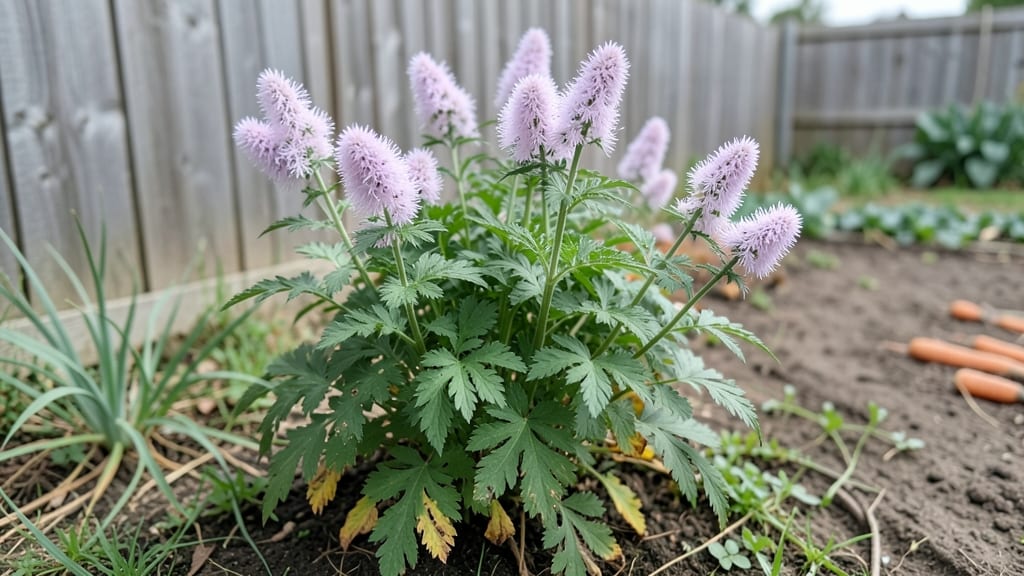
These delicate plumes aren't just pretty—they're nature's way of signaling summer's arrival in a soft, airy display. 🌸 I've noticed that early bloomers like Astilbe japonica often start showing color in May, while late varieties can linger until September, especially in cooler climates.
Their extended season makes them a gardener's favorite for creating layered interest in shaded areas, where many other flowers struggle to thrive.
What sets astilbes apart is their adaptability—whether you're growing them in containers on a patio or along woodland garden edges, they'll reward you with consistent blooms as long as you maintain their preferred conditions.
The key is keeping their roots consistently moist without waterlogging, which is why I always mix in plenty of organic matter when planting.
💡 In This Article
- Astilbe Varieties and Their Unique Blooming Seasons
- Extending Astilbe Bloom Life with Proper Garden Care
Astilbe varieties and their unique blooming seasons
The astilbe family offers a stunning range of bloom times, heights, and colors that let you create a continuous display from early summer through fall.
Here's what's actually happening: these plants evolved to capitalize on different ecological niches, with some species timing their blooms to attract early pollinators while others extend the season into cooler months when many competitors have finished. 🌿 The key factor is their native habitats—wild astilbes grow in damp forests and stream banks where seasonal moisture patterns shape their growth cycles.
Early bloomers like Astilbe japonica (zones 4-8) typically start showing color in late May and peak in June, reaching heights of 18-24 inches with delicate pink or white plumes.
Mid-season varieties such as Astilbe arendsii (zones 3-8) bloom from June through July, growing 2-3 feet tall with bold colors from deep red to lavender.
Late performers like Astilbe chinensis (zones 4-8) extend blooming into August and September, often reaching 3-4 feet with feathery white or pink plumes that dance in the slightest breeze.
Color variations go beyond aesthetics—they reflect evolutionary adaptations too. The deep purples and reds of Astilbe 'Fanal' contain higher levels of anthocyanins, which help protect the plant from UV damage during peak summer sun.
Meanwhile, the pale pinks of Astilbe 'Deutschland' contain more reflective pigments, reducing heat absorption in hotter climates. What most people don't realize is that these color differences also correlate with bloom duration, with darker varieties often lasting 2-3 weeks longer than lighter ones.
Hardiness zones play a crucial role in determining which varieties will thrive in your region. Northern gardeners (zones 3-5) should focus on Astilbe simplex or Astilbe thunbergii, which tolerate colder winters down to -30°F and bloom reliably from June through August.
Southern growers (zones 7-9) can extend their season by choosing heat-tolerant varieties like Astilbe chinensis 'Pumila', which handles 90°F+ temperatures better than most while still flowering until early October in ideal conditions.
Consider these cultural adaptations when selecting varieties: plants from moist woodland habitats (like Astilbe japonica) need consistent moisture, while those from mountain streams (like Astilbe thunbergii) can handle slightly drier conditions once established.
The secret to their success lies in their fibrous root systems, which spread horizontally to capture moisture efficiently—this is why they perform so well in containers with good drainage while still maintaining their moisture needs. 💧
For garden design, this diversity means you can create a 3-month bloom sequence by layering early, mid, and late varieties.
Start with Astilbe japonica in containers near patios where you'll notice their May blooms, then add Astilbe arendsii in garden borders for June-July color, and finish with Astilbe chinensis in shaded woodland areas to extend the display until fall frost.
The result is a living tapestry that transforms your garden through the entire growing season.