
Blooming
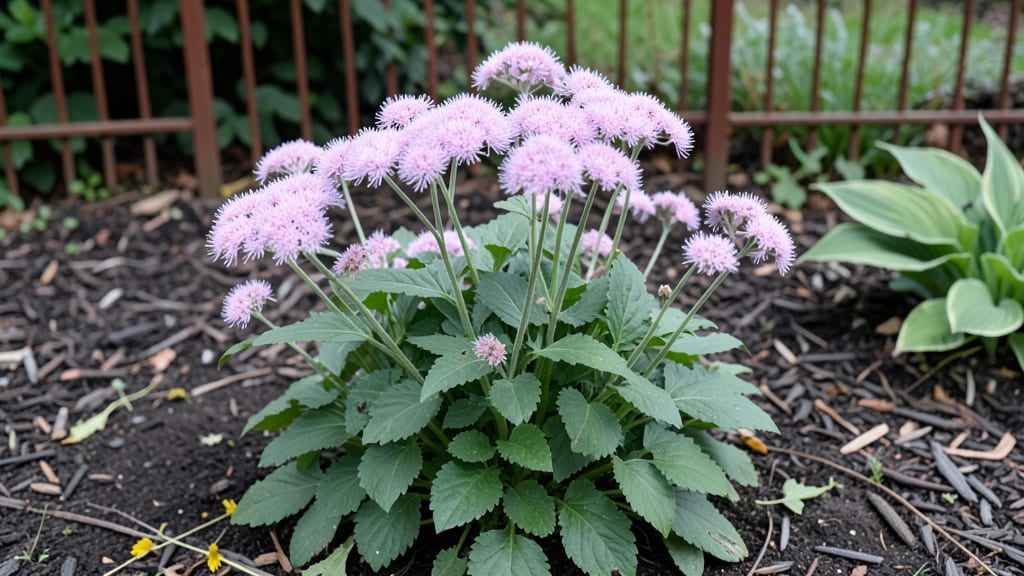
Astilbe flowering time typically occurs between mid-to-late spring and early summer, with peak blooms in May through July, depending on your climate zone and variety. Cool climates may see earlier blooms, while warmer regions extend the season into early fall.
Timing isn't just about the calendar—it's about your garden's microclimate and the specific astilbe variety you've chosen. 🌸 For example, 'Bridal Veil' often bursts into color as early as April in Zone 5, while 'Glut Game' might linger well into August in Zone 8.
What's fascinating is how these plants respond to temperature shifts: cooler nights after warm days can actually trigger more abundant blooms, especially for varieties bred for cooler climates.
If you're planning your garden layout, consider pairing astilbes with late-spring bulbs like alliums or early summer bloomers such as coneflowers. This creates a seamless transition of color that keeps your landscape vibrant from May through July—and sometimes beyond.
The key is to monitor your local frost dates and choose varieties that match your growing season's length.
💡 In This Article
- How Climate Zones Affect Astilbe Bloom Timing
- Best Astilbe Varieties for Extended Flowering Seasons
How climate Zones affect astilbe bloom timing
Here's what's actually happening with astilbes and climate: these plants are highly sensitive to temperature shifts, particularly the transition from winter dormancy to active growth.
In USDA Zones 3-5, where winters are harsh, astilbes often begin blooming as early as late April to early May—triggered by the first consistent 50-55°F nighttime temperatures. This is because their growth cycle is cued by day length (photoperiodism) combined with soil warming.
In contrast, Zones 6-9 experience more gradual warming, delaying blooms until May to June.
The key factor is frost sensitivity—most astilbe varieties can't tolerate temperatures below 20°F without damage. In cooler zones, early bloomers like 'Deutschland' (which thrives in Zones 3-7) may produce flowers by May 1st, while late varieties like 'Fanal' (Zone 5-9) might not peak until June 15th.
Tropical varieties, however, behave differently: they often bloom later in response to consistent warmth, sometimes stretching into early August in Zone 9 gardens. The science involves ethylene production—cooler nights after warm days actually stimulate more abundant flowering in temperate varieties.
What most people don't realize is how microclimates within a single zone can shift bloom times by 2-3 weeks. A north-facing garden in Zone 6 might see astilbes bloom 10 days later than a south-facing bed due to delayed soil warming.
Similarly, urban areas with heat islands can push blooms 2 weeks earlier compared to rural settings. This is why gardeners in Zone 7 often report blooms from May 10th to July 15th—a 65-day window—while those in Zone 4 might only get 40 days of color.
For gardeners in warmer zones (8-9), the challenge isn't just timing but heat tolerance. Varieties like 'Amethyst Falls' can handle 90°F+ days better than others, but prolonged heat above 85°F often causes buds to drop.
This is why you'll see extended blooming in coastal Zone 9 gardens (where ocean breezes moderate temperatures) compared to inland areas. The difference? Coastal astilbes might bloom from May 20th to August 1st, while inland plants may finish by July 10th.
One surprising detail is how rainfall patterns interact with bloom timing. Astilbes need consistent moisture (1-1.5 inches per week) during their growing season. In Zone 5, dry springs can delay blooms by 2 weeks because the plants prioritize root establishment over flowering.
Conversely, in Zone 8, excessive summer rain can actually prolong blooming by maintaining soil moisture when temperatures peak. This is why some gardeners in humid climates report secondary flushes of blooms in late summer.
To maximize your astilbe's performance, consider these zone-specific tips: In Zones 3-5, choose early varieties and protect them with 3 inches of mulch to warm the soil faster. In Zones 6-7, focus on mid-season bloomers like 'Bridal Veil' for reliable color.
For Zones 8-9, opt for heat-tolerant varieties and provide afternoon shade during peak summer heat. The right choice can extend your blooming window by 30-45 days!
Remember: astilbes are like nature's thermometers—they'll tell you exactly what your garden's microclimate is doing. Pay attention to when they bloom, and you'll understand your growing conditions better than any weather report. 🌿