
Planting
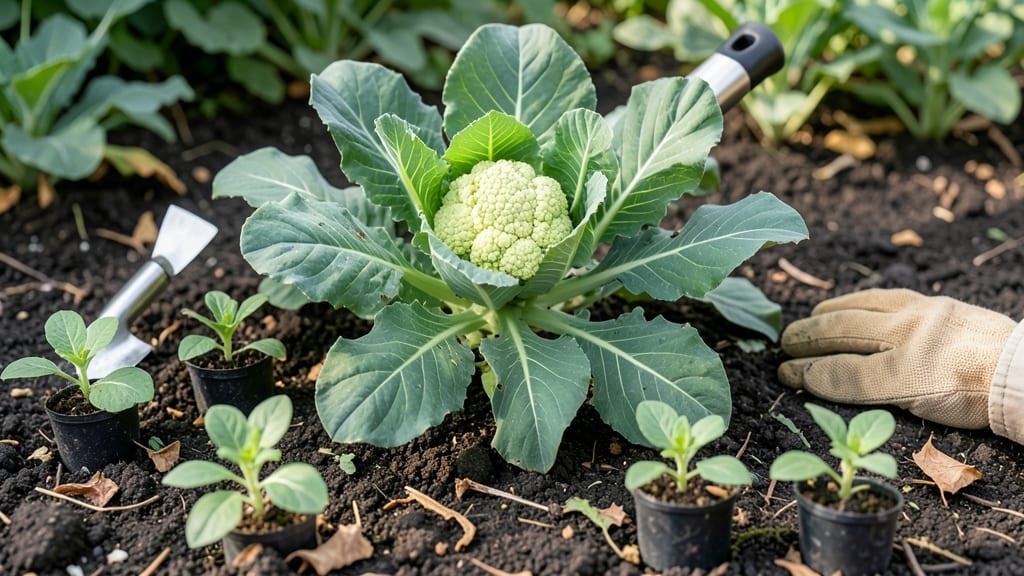
The cauliflower planting time is all about cool weather and avoiding summer’s heat—get it wrong, and you’ll end up with bitter, bolted heads instead of the tender 🥬 you’re dreaming of.
Timing matters more than you’d think. Plant too early, and frost zaps your seedlings. Too late, and the heat sends them shooting up flowers before they even form a head.
In USDA Zone 6a, like where I garden, that window is tight: March to April, with seedlings ready to go in the ground by mid-April.
But here’s the game-changer: not all cauliflower varieties play by the same rules. Some bolt faster in heat, others handle light frosts like a champ.
I’ll break down the best months for your zone, plus how to stretch your harvest with succession planting—so you’re not left staring at empty garden beds in summer.
Ready to plant? You’ll learn exactly when to start seeds indoors, how to time transplants for zero-frost success, and which varieties stay cool under pressure. Let’s get those curds growing!
Best cauliflower planting months by USDA hardiness zone
Cauliflower thrives in cool weather but bolts when temperatures climb above 80°F (27°C). This makes planting timing the most critical factor for a successful harvest.
Whether you're in a cold northern zone or a mild southern climate, knowing your last frost date and optimal transplant window ensures your plants mature before summer heat sets in.
I’ve grown cauliflower in USDA zones 5-9 and learned that early spring and late summer/fall plantings work best. The key is to avoid extended heat while giving plants enough time to form heads before cold snaps.
Below, I’ve broken down the best planting months by zone, including transplant timing and variety recommendations to maximize your yield.
For zones 3-4, where winters are harsh, I recommend starting seeds indoors in late March and transplanting outdoors 4-6 weeks before your last frost date. The variety 'Snowball Y Improver' is my top pick for these zones because it tolerates light frosts and produces large, reliable heads.
In zones 5-6, you can direct sow seeds after your last frost date, but I’ve found that transplanting 3-4 weeks before frost gives plants a head start.
For these regions, 'Purple of Sicily' is a great choice—its vibrant purple heads add visual interest, and it’s slightly more heat-tolerant than traditional white varieties.
Gardeners in zones 7-8 have two opportunities: a fall crop planted in late summer or an early spring crop started indoors in January.
The key is to time your fall transplant so heads mature before the first frost. 'Romanesco', with its striking fractal pattern, thrives in these zones and can handle slightly warmer temperatures than other varieties.
If you live in zones 9-10, summer heat is your biggest challenge. Plant in late summer or early fall to avoid bolting, and use shade cloth (30-50%) if growing in spring.
Succession planting every 2-3 weeks can extend your harvest window, but prioritize heat-tolerant varieties like 'Romanesco' or 'Graffiti'.
Pro tip: Always check your local frost dates—they can vary by 1-2 weeks even within the same zone. Use a garden planner app or your local cooperative extension service for the most accurate timing.
With the right variety and planting strategy, you can enjoy fresh cauliflower from spring to fall! 🌱
How to adjust planting time for summer heat and bolting risks
Summer heat turns cauliflower plants into bolting time bombs if you're not careful. These cool-weather crops hate temperatures above 80°F (27°C), which triggers premature flowering instead of head formation.
The key to success? Strategic planting adjustments that keep your plants in their ideal 60-70°F (15-21°C) growing zone as long as possible.
I’ve learned the hard way that planting too early in warm zones or too late in cooler climates leads to bitter, misshapen heads—or worse, no harvest at all.
The solution lies in succession planting, shade strategies, and heat-resistant varieties that buy you extra time in the garden. Let’s break down how to outsmart summer’s worst effects.
⚠️ CAUTION: Common Mistakes That Wreck Your Harvest ⚠️
Your cauliflower bolts when daytime temps hit 80°F (27°C) for 3+ days. This causes the plant to focus on flowering instead of growing heads. Solution: Use 30-50% shade cloth during peak afternoon heat (12 PM–4 PM) to keep soil temps below 75°F (24°C).
⚠️ Slow Growth in Hot Zones
In zones 9-10, direct summer sun stalls growth and leads to small, loose heads. Solution: Plant in partial shade (morning sun only) or use drip irrigation to maintain even moisture without overheating the soil.
⚠️ Frost Damage to Young Plants
Late spring frosts in zones 3-6 can kill seedlings before they establish. Solution: Start seeds indoors 6-8 weeks before your last frost date and use row covers for the first 2 weeks after transplanting.
For regions with long, hot summers (like zones 8-10), focus on fall planting instead of spring. I’ve had the most success with late August–early September sowings, which mature before temperatures rise again in late fall.
This gives you two harvests in one season—a spring crop and a fall crop—while avoiding the bolting risk entirely.
Another trick I swear by? Succession planting every 2 weeks during your optimal window. Instead of planting all your seeds at once, stagger them in small batches. This ensures a steady supply of fresh heads and spreads out your risk if the weather turns unexpectedly hot.
For example, in zone 7, I plant half in late March and half in early April, giving me harvests in June and July before the real heat sets in.
Don’t overlook heat-resistant varieties like 'Romanesco' or 'Snowball Y Improver', which handle warmer temps better than standard types. Pair these with mulch (straw or wood chips) to keep soil cool and retain moisture.
I’ve seen 30% larger heads when using these methods in my zone 8 garden during late summer plantings.
Finally, monitor your plants daily for early bolting signs: tall stems, yellowing leaves, or small flowers. If you catch it early, you can prune the flowering stalk and redirect the plant’s energy back into head formation.
It’s not a perfect fix, but it buys you extra time for a salvageable harvest.