
Plants
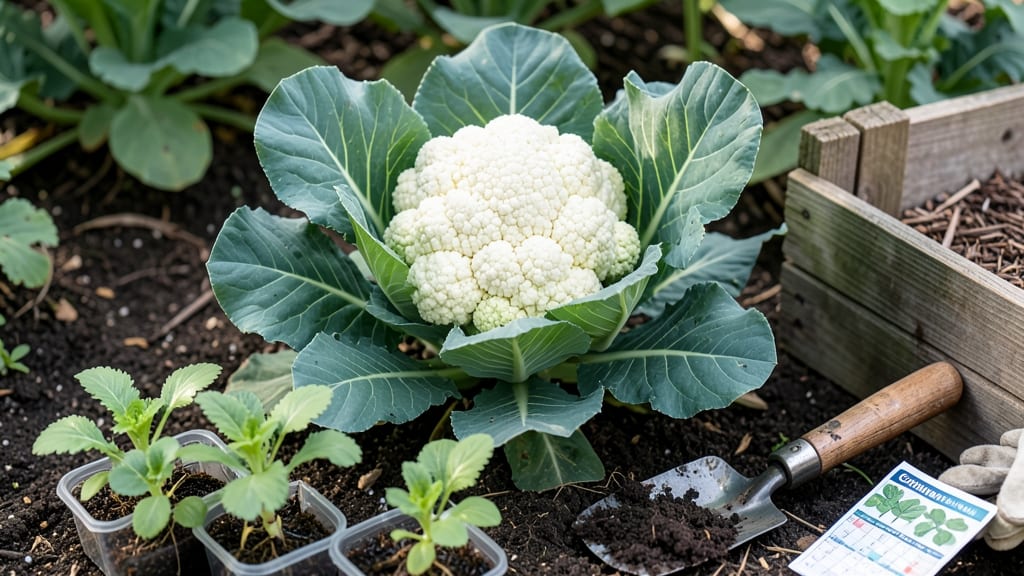
Planting cauliflower in Michigan at the right time means the difference between a bountiful harvest and a sad, bolted mess—so timing your starts to avoid frost and summer heat is non-negotiable.
Picture this: you’ve nurtured your 🥬 seedlings for weeks, only to watch them wilt under a late spring frost or bolt into bitter flowers because you planted too late. Michigan’s USDA Zones 5-6 demand precision, and missing the window by even a few days can ruin your crop.
Here’s the game-changer: the exact planting schedule for Michigan, from indoor starts to outdoor transplants, plus how to stretch your season with fall crops. No more guesswork—just data-backed dates to lock in success.
You’ll learn when to start seeds indoors, how to time transplants for zero-frost risk, and which varieties hold up best in Michigan’s unpredictable weather. Let’s get those heads growing the right way.
Optimal cauliflower planting dates in Michigan (Zone 5-6) for zero-frost success
Michigan’s USDA Zones 5-6 offer two prime windows for growing cauliflower: spring and fall. The key is avoiding late frosts and summer heat stress.
In my garden, I’ve learned that soil temperature and microclimates (like urban heat islands or sheltered valleys) can shift ideal dates by 1-2 weeks—so flexibility is critical.
For spring planting, most Michigan gardeners aim for mid-April to early June starts, but your exact timing depends on whether you’re direct-sowing seeds or transplanting seedlings.
Frost-sensitive cauliflower needs consistent warmth (soil temps above 50°F) to thrive, which typically arrives in late April to early May across the state.
Here’s the comparison table breaking down your exact planting windows, including backup dates for late springs or early falls—because Michigan weather loves to surprise us!
In Zone 5, where frosts linger longer, I recommend starting cauliflower seeds indoors by March 15 for transplants ready by late April. For Zone 6 gardeners, you’ve got a slightly longer window—push starts to April 20 for safer outdoor planting by May 15.
The backup dates are critical if Michigan’s infamous May frosts strike late.
For fall harvests, the window narrows but is just as rewarding. Plant transplants by August 15 in Zone 5 (or August 20 in Zone 6) to ensure heads mature before first frost (typically mid-October).
I’ve had success with purple varieties like ‘Graffiti’—they tolerate cooler temps better than white cauliflower.
Pro tip: Use a soil thermometer to confirm warmth before planting. Cauliflower roots struggle in cold soil, leading to stunted growth. If temps dip below 50°F, wait or use black plastic mulch to warm the soil faster.
Microclimates matter! Gardens near large bodies of water (like the Great Lakes) may have 2-3 warmer weeks than inland areas. Similarly, urban gardens with pavement can stay 5°F warmer—adjust your planting dates accordingly. Always scout your local Cooperative Extension office for last-frost data specific to your county.
One common mistake I see is planting too early and hoping for the best. Cauliflower won’t survive 32°F frosts, and bolting (premature flowering) can occur if exposed to temperature swings. To prevent this, use row covers for the first 2 weeks after transplanting in spring or fall.
For container growing, stick to smaller varieties like ‘Snowball Y Improved’ and plant 2-3 weeks later than in-ground plants. Pots cool faster, so move them to a protected spot (like a garage or cold frame) if frost threatens. My 5-gallon containers always yield smaller heads but still productive crops!
Remember: Cauliflower thrives in cool weather—aim for 60–75°F days and 50–60°F nights. If summer heat arrives early, opt for
How to extend Michigan’s cauliflower season: fall planting tips for second harvests
Fall-planted cauliflower is a Michigan gardener’s secret weapon for fresh harvests when summer crops fade. With the right timing and frost protection, you can enjoy crisp heads well into October or November.
The key lies in starting seeds early enough to mature before the first frost—typically mid-October in Zone 5-6—while avoiding the heat stress of late summer.
For a successful second harvest, begin sowing seeds indoors 8-10 weeks before your average first frost date. In Michigan, this means late July to early August for most regions. Transplant seedlings outdoors when soil temperatures drop below 80°F—usually by early to mid-August—to prevent bolting from heat stress.
⚠️ callout warning
Seeds sown after August 15th rarely mature before frost. Use fast-maturing varieties (60-70 days) like 'Snowball Y Improved' or 'Purple of Sicily' to maximize success.
Choose cold-hardy varieties designed for fall planting, such as 'Snowball' or 'Graffiti' (purple). These tolerate cooler temperatures better than summer types. Space plants 18-24 inches apart to allow airflow, reducing humidity-related diseases like black rot that thrive in fall’s damp conditions.
Protect your fall crop with floating row covers or cloches when nighttime temperatures dip below 40°F. These create a 5-10°F warmer microclimate, extending the growing season by 2-4 weeks. Remove covers during the day to prevent overheating and pest buildup.
Water consistently to maintain 1-2 inches per week, but reduce frequency as harvest nears. Overwatering before frost can stress plants, while underwatering causes heads to split. Mulch with straw or leaves to insulate roots and retain moisture during Michigan’s unpredictable fall weather.
Harvest when heads reach 6-8 inches in diameter and leaves remain tightly wrapped. Use a sharp knife to cut stems, leaving 1 inch of stalk attached. In cold snaps, bring plants indoors overnight if temperatures drop below 25°F—they’ll bounce back with proper care.