
Flowers
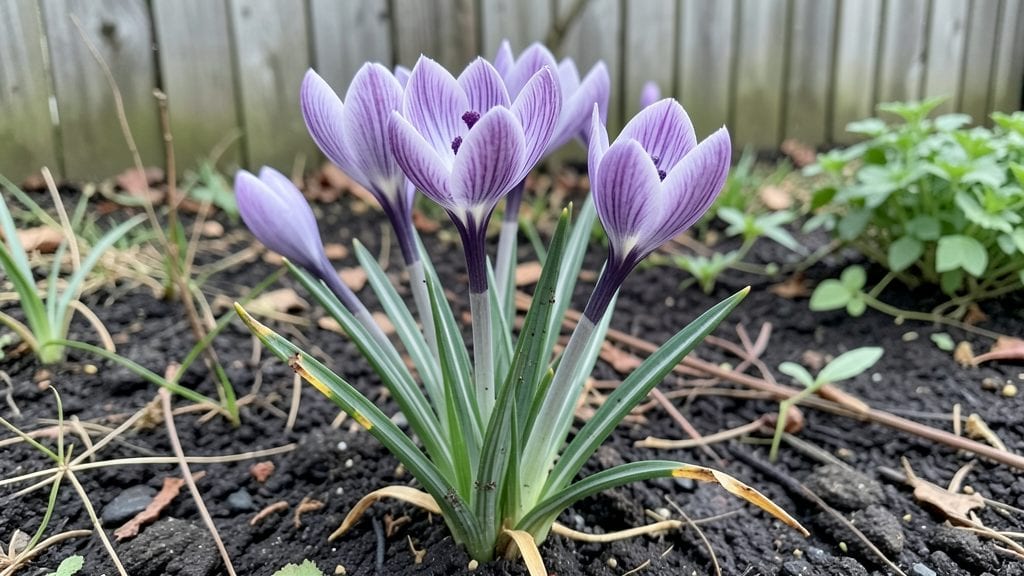
Autumn flowering crocus 🌼 brings bold color to gardens when most plants are winding down, thriving in cool fall weather.
Imagine a garden bursting with vibrant purple, white, and golden blooms just as summer fades—these hardy perennials make it happen. While most flowers call it quits by September, autumn crocus stays in full bloom, offering a striking contrast to the changing leaves.
They’re perfect for USDA Zone 6a gardeners who want late-season beauty with minimal effort. With the right timing and care, you’ll get reliable blooms year after year, even in cooler climates.
Below, I’ll share the exact planting window, soil prep tips, and light conditions to ensure your autumn crocus flourishes—plus how to keep them looking their best through frost.
Best autumn flowering crocus varieties for fall color and seasonal interest
Autumn flowering crocus varieties bring a burst of color to gardens when most plants are winding down. These early bloomers thrive in cool autumn temperatures, offering vibrant blooms from late summer through early fall.
Whether you prefer deep purples, soft whites, or golden hues, there's a variety perfect for your garden's aesthetic and growing conditions.
Choosing the right autumn crocus variety depends on your climate zone, soil type, and desired bloom time. Some varieties bloom as early as September, while others hold onto their flowers until November.
Let's explore the top autumn flowering crocus varieties that deliver seasonal interest and year-round beauty.
Comparison Table: Top Autumn Flowering Crocus Varieties
| Variety | Bloom Time | Color Palette | Height | USDA Zones | Special Features |
|---|---|---|---|---|---|
| Crocus speciosus | Late September - October | Deep purple, lavender, white | 3-4 inches | 3-9 | Fragrant blooms, excellent for borders |
| Crocus koenenianus | October - November | Bright yellow, orange, deep red | 2-3 inches | 5-9 | Long-lasting blooms, great for containers |
| Crocus pulcherrimus | September - October | Soft pink, white with purple veins | 2-3 inches | 4-9 | Delicate appearance, perfect for woodland gardens |
| Crocus tommasinianus | September - October | Purple, white, lilac | 2-3 inches | 3-9 | Early bloomer, excellent for rock gardens |
| Crocus vernus | Late September - October | Purple, white, yellow | 2-3 inches | 4-8 | Fragrant, great for pollinators |
Each of these autumn crocus varieties offers unique visual appeal and growing characteristics. For example, Crocus speciosus provides fragrant blooms perfect for borders, while Crocus koenenianus delivers bold colors ideal for containers.
If you're aiming for a woodland garden look, Crocus pulcherrimus with its delicate pink blooms is an excellent choice.
When selecting varieties, consider your local climate and garden design. Cooler climates (zones 3-5) benefit from varieties like Crocus tommasinianus, which thrives in rock gardens and early autumn conditions. Meanwhile, warmer zones (6-9) can enjoy Crocus koenenianus and its long-lasting blooms through November.
For maximum seasonal interest, mix varieties with different bloom times. Plant Crocus tommasinianus for early September color, followed by Crocus speciosus in late September, and finish with Crocus koenenianus for October-November blooms. This staggered planting ensures your garden remains vibrant from late summer through early winter.
All autumn crocus varieties prefer well-draining soil and full sun to partial shade. They're low-maintenance perennials that multiply over time, creating natural ground cover with minimal effort. After planting, simply ensure they receive adequate sunlight and occasional watering during dry spells.
With the right variety selection and planting strategy, you'll enjoy stunning autumn color for years to come.
One of my favorite combinations is pairing Crocus speciosus with Crocus vernus for a fragrant autumn display. The deep purples of Crocus speciosus contrast beautifully with the lighter hues of Crocus vernus, creating a visually striking garden bed. For a bold statement
Step-by-step guide to planting autumn flowering crocus for reliable blooms
Timing is everything when planting autumn flowering crocus—aim for late summer to early fall, specifically August through September. This window ensures corms establish roots before winter dormancy, setting the stage for vibrant fall blooms.
Cool temperatures and shorter days trigger their natural flowering cycle, so don’t delay! My garden thrives when I plant these hardy perennials just as summer’s heat begins to wane.
Before you dig, prepare your planting site for success. Choose a location with well-draining soil and full sun exposure—at least 6 hours of sunlight daily. If your soil is heavy clay, amend it with compost or sand to improve drainage.
Crocus hate soggy roots, so prioritize areas where water drains quickly. I always test my soil’s moisture retention by digging a small hole—if water pools after 10 minutes, it’s time to improve drainage.
Planting Autumn Flowering Crocus
- Step 1: Choose healthy corms—select firm, pest-free bulbs with no soft spots. Size matters too: larger corms (1.5–2 inches) produce bigger blooms.
- Step 2: Dig holes 3–4 inches deep and space them 3–4 inches apart. For a natural look, plant in clusters of 5–7 corms.
- Step 3: Place corms pointy end up in holes. Cover with soil, leaving no gaps—this prevents rot and encourages strong root growth.
- Step 4: Water lightly but thoroughly after planting to settle the soil. Avoid soaking—the goal is moisture, not saturation.
- Step 5: Apply a 1-inch layer of mulch (straw or shredded leaves) to protect corms from freezing temperatures and retain moisture.
After planting, minimal care is needed to ensure reliable blooms. Water weekly until the ground freezes, but reduce frequency in drought conditions—these plants are surprisingly drought-tolerant. I’ve seen my crocus thrive with as little as 1 inch of water per week once established.
Avoid fertilizing in fall; instead, let the natural soil nutrients support root development over winter.
Watch for early spring shoots in late winter—a sure sign your crocus are happy! If you notice yellowing leaves or poor blooming next season, it might indicate overwatering or poor drainage.
Adjust your care routine accordingly. My autumn crocus have bloomed reliably for years by following this simple routine, and I’m confident you’ll see the same results.
For long-term success, add a light fertilizer in early spring (like a 5-10-10 blend) to replenish nutrients. This boosts next year’s blooms without overwhelming the delicate roots. Pair your crocus with low-growing perennials like heuchera or ajuga to create a stunning fall display that lasts well into winter.
With these steps, your garden will burst with color just as summer fades—proof that autumn flowering crocus are the unsung heroes of the fall season. Happy planting! 🌼