
Blooming
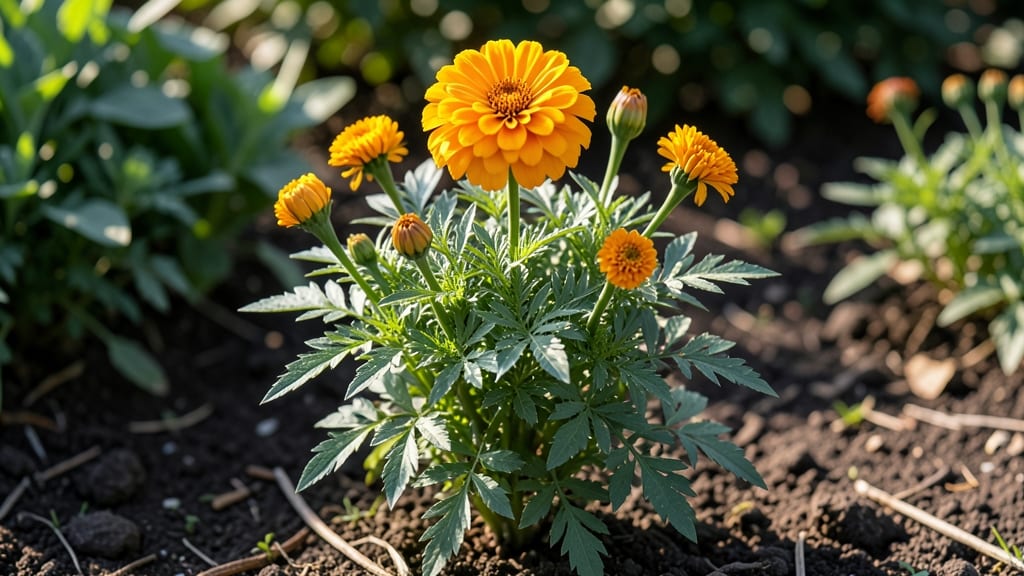
The marigold flower blooming season stretches from early summer to frost, turning gardens into a sunny spectacle with minimal effort.
Want vibrant marigolds blooming in your garden for months—not just a fleeting summer show? The secret lies in choosing the right varieties and planting them at the perfect times. French marigolds kick off the season as early as June, while African marigolds can keep blooming until October in warmer climates.
In USDA Zone 6a, where frosts arrive by mid-October, timing is everything. Plant 🌼 marigolds in April after the last frost, but if you want nonstop color, stagger plantings every 4-6 weeks through July.
Containers and garden beds both work, but container-grown marigolds often bloom earlier and last longer with the right care.
Below, I’ll break down the exact months each variety thrives, how to extend their blooming window, and the 3 biggest mistakes that cut seasons short—so you can enjoy those cheerful faces from June right up to the first frost.
Marigold blooming seasons by variety: French vs African vs Signet
Marigolds are one of the easiest flowers to grow for long-lasting color, but their blooming seasons vary dramatically by variety. Whether you're after early spring blooms or fall frost resistance, choosing the right type makes all the difference.
French marigolds, African marigolds, and Signet marigolds each have distinct blooming windows that align with specific climates and planting strategies.
Understanding these differences lets you create a year-round display with minimal effort. For example, French marigolds often bloom earliest, while African marigolds provide the longest flowering period. Meanwhile, Signet marigolds offer a compact, bushy form perfect for containers and small spaces.
Let’s break down exactly when each type blooms and how to maximize their flowering potential.
| Variety | Blooming Season | USDA Zones | Height | Best For |
|---|---|---|---|---|
| French Marigold | Early summer to early fall (June–September) | 5–11 | 1–2 ft | Early blooms, borders, containers |
| African Marigold | Mid-summer to frost (July–October) | 8–11 | 1–3 ft | Long blooms, cut flowers, heat tolerance |
| Signet Marigold | Late spring to frost (May–November) | 5–11 | 6–12 in | Containers, borders, early color |
French marigolds (Tagetes patula) are the earliest bloomers, often starting as early as late May in warmer zones. They thrive in cooler climates (USDA zones 5–11) and are perfect for spring borders or container gardens.
Their compact size and delicate petals make them ideal for cutting arrangements and pollinator gardens.
African marigolds (Tagetes erecta) are the workhorses of summer blooms, offering bold, long-lasting flowers from July through October. They handle heat and humidity better than other types, making them a top choice for southern gardens (zones 8–11).
Their large, showy blooms also attract beneficial insects like ladybugs and hoverflies.
Signet marigolds (Tagetes tenella) are the underdog champions of extended seasons. Unlike their taller cousins, they bloom from late spring to frost (May–November) and stay dwarf and bushy, making them perfect for window boxes and hanging baskets.
They’re also disease-resistant, which helps them thrive in crowded containers.
To extend blooming seasons, try succession planting. For example, sow French marigolds in early spring (March–April) and African marigolds in late spring (May) to create a seamless transition. In cooler zones (5–7), start seeds indoors 6–8 weeks before last frost and transplant after soil reaches 60°F.
Deadheading spent blooms is another game-changer for prolonging flowers. Snip off faded blooms regularly to encourage new growth. For African marigolds, this can extend their season by 3–4 weeks.
Pair this with a balanced fertilizer (5-10-10) every 4–6 weeks during the growing season to keep plants vigorous and blooming.
In warmer climates (zones 9–11), marigolds can bloom nearly year-round with minimal care. However, they may go dormant in extreme heat (above 90°F).
To prevent this, provide afternoon shade during peak summer and mulch heavily to retain moisture. Signet marigolds are particularly resilient in these conditions, often reblooming after a brief rest.
For container growing, choose Signet or French varieties due to their compact size. Use well-draining potting mix and 14-inch pots to prevent root rot. Place containers in full sun and water when the top 1 inch of soil feels dry.
This setup ensures continuous blooms from spring to fall, even in urban settings.
🌼
How to stagger marigold planting for non-stop color all year
Marigolds are nature's gift for gardeners who crave year-round color. The trick? Succession planting—strategically spacing out plantings so one batch blooms as the last one fades. This method works especially well for African marigolds, which thrive in heat, and French marigolds, perfect for cooler seasons.
By planning ahead, you can enjoy marigolds from early spring through late fall—or even winter in mild climates.
Start by selecting a mix of early-, mid-, and late-season varieties. For example, plant 'Bonanza Yellow' (early bloomer) in March, followed by 'Tangerine' (mid-season) in May, and 'Crackerjack Orange' (late bloomer) in July.
This staggered approach ensures continuous blooms without gaps. Pair this with companion planting—marigolds deter pests like nematodes, making them ideal neighbors for tomatoes, peppers, and herbs.
Here’s how to create your marigold blooming calendar for maximum impact:
🌱 Step-by-Step Staggered Planting Guide
- 📅 March-April (Cool Climates): Sow French marigolds indoors or direct-seed outdoors after last frost. These cold-tolerant varieties bloom in 60-70 days.
- 🌡️ May-June (Warm Climates): Plant African marigolds directly in garden beds. They thrive in heat and bloom in 50-60 days.
- ☀️ July-August (Succession Planting): Add another round of dwarf varieties like 'Jackpot' for late-season color. These compact plants fit well in containers.
- 🌿 September-October (Overwintering): In zones 8-10, mulch hardy varieties like 'Petite Series' to protect roots. They may rebloom in spring.
- 🛠️ Year-Round Tip: Deadhead spent blooms weekly to encourage new flowers. Use well-draining soil mixed with compost for best results.
For cooler climates (zones 3-7), focus on French marigolds like 'Queen Sophie', which tolerate light frosts. In warm climates (zones 8-11), African marigolds such as 'Jingle Bells' can bloom nearly year-round with minimal care.
Always plant seeds ½ inch deep and space them 12-18 inches apart for optimal airflow and reduced disease risk.
Don’t forget container gardening! Dwarf marigolds like 'Tiny Tangerine' thrive in pots, making them perfect for patios or balconies. Replace old plants every 4-6 weeks with fresh seedlings to maintain vibrant blooms. Pair containers with self-watering bases to prevent underwatering during heatwaves.
With this staggered approach, your marigolds will create a non-stop color show from spring to frost. The key is consistency—monitor soil moisture, fertilize lightly every 4-6 weeks, and enjoy the pest-repelling beauty these cheerful flowers bring to your garden all season long! 🌼