
Container Gardens
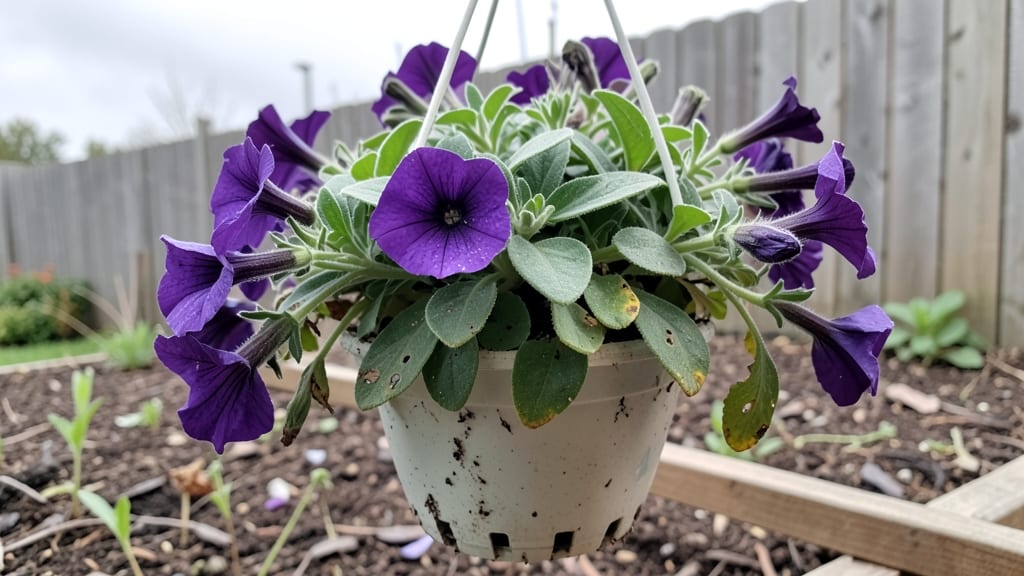
A balcony flower garden can transform a tiny outdoor space into a fragrant, colorful retreat—even if you only have a 4-foot ledge. 🌸 I’ve turned my own cramped balcony into a thriving mini-oasis using a mix of hanging baskets, vertical pockets, and compact perennials that spill over railings like a living waterfall.
The key is choosing plants that love containers and don’t outgrow their homes too fast. Petunias, geraniums, and trailing nasturtiums are my go-tos—they bloom nonstop, handle morning sun, and fit in pots as small as 6 inches wide.
For height, I tuck in tall snapdragons or salvia behind shorter flowers to create layers without taking up extra space.
By mid-summer, your balcony will smell like a cottage garden and attract bees and butterflies you never knew could visit. The best part? You’ll never need to bend over to tend it—just step out your door to snip a few blooms or water from a handy hose attachment.
Let’s get those containers picked out!
This works for any balcony, from city high-rises to suburban backyards, and adapts to sun or shade. Even renters with just a railing can pull it off—here’s how to start small and scale up as you go.
📚 In This Guide
- What you need
- Instructions
- Tips and common mistakes
- Wrapping up and next steps
What you need
- ● Containers: 3–5 drainage-friendly pots (10–12" diameter for most flowers; deeper for herbs/veggies). Materials: terracotta, fiberglass, or plastic with drainage holes.
- ● Potting Mix: 1–2 bags of lightweight, well-draining soil blend (avoid garden soil—it compacts!). Look for "container mix" or "potting soil."
- ● Drainage: Small pebbles, broken pottery, or mesh screens (1 cup per pot) to prevent root rot.
- ● Flowers/Plants: 3–6 compact varieties suited for balconies (e.g., petunias, geraniums, pansies, or succulents). Check sunlight needs!
- ● Tools: Trowel or small shovel
- ○ Gloves (optional but handy!)
- ● Watering can or hose with a gentle nozzle
- ● Pruning shears (for trimming)
- ● Fertilizer: Slow-release granules or liquid feed (every 2–4 weeks).
- ● Mulch: Cocoa hulls or shredded bark to retain moisture.
- ● Support Structures: Trellises or stakes for climbing plants (e.g., ivy or morning glories).
- ● Decor: Solar-powered lights, hanging planters, or cute labels for a polished look.
- ● Rain Gauge: To track watering needs (especially in hot climates).
Step-by-Step instructions for creating a balcony flower garden
Here's how to turn even a tiny balcony into a vibrant, low-maintenance garden.
🪴 Step 1: Choose and Prepare Your Containers
Start with containers that have drainage holes—no exceptions. I use a mix of 6-inch hanging baskets for trailing flowers like petunias and 10-inch pots for bushier varieties such as geraniums. The 3-gallon fabric grow bags work great for larger plants like impatiens because they don’t retain excess moisture. Place a small piece of mesh or broken pottery over each drainage hole to keep soil from washing out while still allowing water to escape.
Fill each container with 1 gallon of lightweight potting mix—never garden soil. The fluffy mix lets roots breathe and prevents compaction. Tap the pot gently on the table to settle the soil, then water it thoroughly until it’s evenly moist but not soggy. This ensures your flowers won’t dry out too quickly once planted.
🌱 Step 2: Select and Plant Your Flowers
Pick flowers that thrive in containers and match your balcony’s light conditions. For full sun (6+ hours of direct light), choose petunias, geraniums, or marigolds. If you have partial shade (3-6 hours of sun), go for impatiens, fuchsias, or begonias. I always plant 4-6 flowers per 10-inch pot and 2-3 flowers per 6-inch hanging basket—crowding leads to weak stems and fewer blooms.
Dig a hole in the soil twice as wide as the root ball but no deeper. Gently remove the plant from its nursery pot, loosen the roots if they’re circling, and place it in the hole. Fill around the roots with soil, pressing lightly to remove air pockets. Water immediately to help the soil settle and eliminate gaps.
☀️ Step 3: Position for Light and Water Correctly
Move your containers to the sunniest spot on your balcony—most flowers need at least 6 hours of light daily to bloom well. If your balcony gets morning sun and afternoon shade, rotate pots a quarter turn every few days so plants grow evenly. You’ll notice leaves stretching toward the light if they’re not getting enough—this is your cue to adjust their position.
Water deeply every 2-3 days until the top inch of soil feels dry. Overwatering is the fastest way to kill container flowers, so always check moisture before adding more. In hot weather, you might need to water daily, but in cooler months, every 4-5 days is usually enough. Use a watering can with a narrow spout to direct water to the soil, not the leaves.
💧 Step 4: Feed and Maintain for Continuous Blooms
Start fertilizing 2 weeks after planting with a balanced liquid fertilizer (10-10-10 works well). Mix it at half the recommended strength and apply every 2 weeks during the growing season. Too much fertilizer burns roots, so always follow the label. You’ll see richer green leaves and more blooms within 3-4 weeks of consistent feeding.
Deadhead spent blooms weekly—this means pinching off faded flowers with your fingers or snipping them with clean scissors. It encourages new flowers to form and keeps your plants looking tidy. Also, rotate containers weekly so all sides get even light exposure. This prevents lopsided growth and ensures your flowers stay bushy and full.
Tips & tricks for perfect balcony flower gardens
Creating a stunning balcony garden isn't rocket science—it just takes a few smart tricks to maximize your small space. Here's what I've learned after turning my own cramped balcony into a lush oasis.
Container Size Matters: In Step 1, when choosing containers, remember that size directly affects plant health. The 6-inch hanging baskets are perfect for trailing plants like petunias because they have room to cascade beautifully without becoming root-bound. For the 10-inch pots, I've found that adding a layer of pebbles at the bottom improves drainage—this prevents soggy roots that can rot in fabric grow bags. Trust me, this small tweak makes a huge difference in plant longevity.
Light Conditions Are Everything: Pay close attention to your balcony's light patterns in Step 3. If you notice leaves stretching toward the light after a few days, your plants need more sun. For partial shade areas, consider adding a reflective surface like a white tray under pots to bounce extra light onto the plants. I've seen impatiens thrive in spots that would normally be too shady for them because of this trick.
Watering Wisdom: The 2-3 day watering schedule in Step 3 works well, but here's the secret: water in the morning so plants have all day to absorb moisture before evening. I've also started using a moisture meter—it's a small investment that tells you exactly when the top inch of soil is dry. Overwatering is the #1 killer of container plants, so this tool has saved me from losing multiple pots.
Fertilizer Timing: When you start fertilizing 2 weeks after planting in Step 4, remember that consistency is key. I've found that mixing the fertilizer with water in a spray bottle makes application easier and ensures even coverage. Also, if you notice yellowing leaves after fertilizing, you're likely overdoing it—always stick to that half-strength recommendation.
Pro Tips for Balcony Flower Garden
- Creating a stunning balcony garden isn't rocket science—it just takes a few smart tricks to maximize your small space.
- Container Size Matters: In Step 1, when choosing containers, remember that size directly affects plant health.
- Light Conditions Are Everything: Pay close attention to your balcony's light patterns in Step 3.
Frequently asked questions
Got questions about turning your balcony into a blooming paradise? Here are answers to some of the most common queries—straight from fellow plant lovers!
How much sunlight does a balcony flower garden need?
Most balcony flowers thrive with 4–6 hours of sunlight daily—think morning sun or afternoon shade. For low-light spots, opt for shade-loving plants like Impatiens or Fuchsias. Use a sunlight tracker app to gauge your balcony’s exposure before planting!
When’s the best time to start a balcony flower garden?
Spring (after the last frost) or early summer is ideal, but you can plant in fall for fall/winter blooms (e.g., pansies, violas). If starting from seeds, begin indoors 6–8 weeks before the last frost. For instant color, buy established plants!
What if my balcony has no drainage?
No problem! Use self-watering pots or elevate containers on a saucer with drainage holes. For no-drainage surfaces, layer pots in a tray with pebbles to catch excess water. Avoid overwatering—root rot is the enemy!
Can I grow flowers in small pots or hanging baskets?
Small pots (5–8 inches) work for single plants like Petunias or Geraniums. Hanging baskets are perfect for trailing flowers like Begonias or Lobelia. Use well-draining soil and fertilize every 2–3 weeks for lush growth.
How do I keep pests away from my balcony flowers?
Prevent pests naturally with:
- Neem oil spray (weekly preventative)
- Ladybugs (they eat aphids!)
- Avoid overwatering (mold attracts pests)
- Inspect leaves daily—remove bugs by hand
Wrapping up and next steps
A balcony flower garden is more than just a splash of color—it’s a miniature oasis that brings joy, fresh air, and life to urban spaces.
Whether you’re working with a tiny railing or a cozy corner, the right plants, containers, and care can transform even the smallest area into a thriving haven. 🌸
Now that you’re armed with tips and tricks, it’s time to get growing! Start small—pick one or two plants, experiment with arrangements, and let your creativity bloom. Before you know it, your balcony will be the envy of the neighborhood. Happy gardening! 🌱