
Flowers
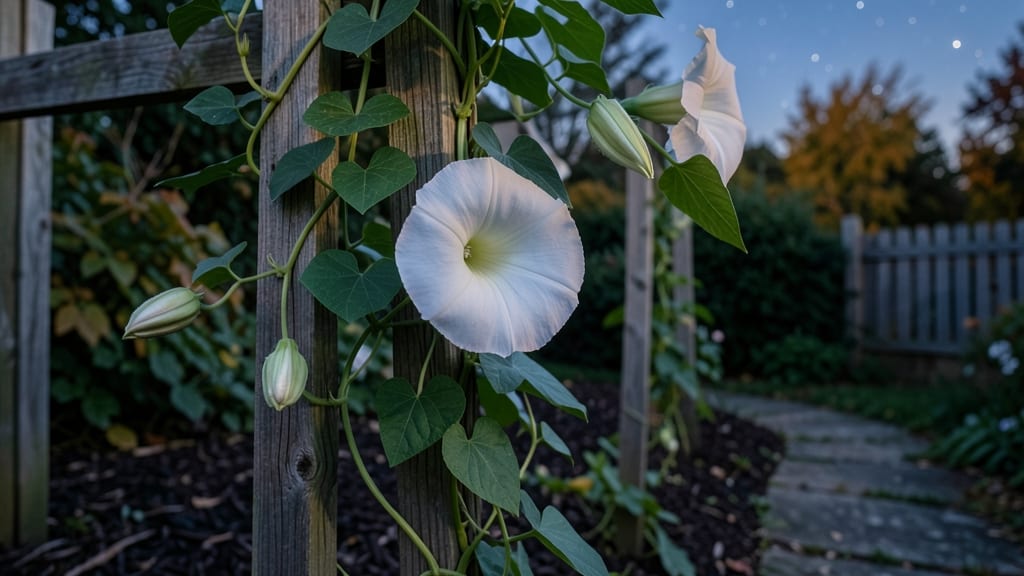
Moon flowers in sun or shade can transform your garden into a magical nighttime retreat, with varieties that adapt to almost any light condition.
Struggling to find the perfect moon flower variety that thrives in your garden’s lighting conditions? These enchanting night-blooming beauties can adapt to both sun-drenched spots and shady corners—if you know which types to choose.
Whether your space gets bright afternoon sun or dappled shade under trees, there’s a moon flower that will flourish. Some varieties, like Ipomoea alba, love soaking up full sun, while others, such as Ipomoea purpurea, handle partial shade with ease.
In this guide, I’ll break down the best moon flower types for your light situation, share pro tips for planting and care, and help you avoid common pitfalls like leggy vines or sparse blooms.
 Best Window Placement
Best moon flower varieties for sun exposure: full light thrivers
Moonflowers (Ipomoea alba) are magical night-bloomers, but not all varieties handle full sun equally. Some thrive in bright conditions, producing larger blooms and longer vines, while others struggle with heat stress. Choosing the right sun-loving variety ensures your garden sparkles with fragrant white flowers every evening.
For sun exposure, focus on varieties like Ipomoea alba ‘Moonlight’ or ‘Starlight’, which boast thick stems and heat tolerance. These types need at least 6 hours of sunlight daily to reach their 10-15 ft mature height and produce 3-4 inch blooms.
Let’s explore the top sun-thriving moonflowers and how to care for them in bright conditions.
Soil prep is critical for sun-loving moonflowers. Amend your garden with well-draining soil mixed with compost to retain moisture without waterlogging. A pH of 6.0-7.0 ensures nutrients are available for robust growth. Avoid heavy clay soils, which can stress roots in full sun.
Watering schedules change with sun exposure. Moonflowers in full sun need deep watering every 2-3 days, especially during summer months. Water at the base of the plant in the evening to prevent leaf scorch and fungal issues.
Mulch with organic matter like straw to retain soil moisture and cool roots.
Here’s a quick comparison of top sun-loving moonflower varieties to help you choose the perfect fit for your garden:
Provide climbing support like trellises or arbors to guide your moonflowers upward. This not only maximizes space but also improves airflow, reducing the risk of fungal diseases in humid climates. Use galvanized wire or bamboo stakes for sturdy support, and train vines gently to avoid stem damage.
Fertilizing sun-loving moonflowers should be done lightly but consistently. Apply a balanced fertilizer (5-10-10) every 4-6 weeks during the growing season (spring to early summer). Over-fertilizing can lead to excess foliage at the expense of blooms, so follow the 1 tbsp/plant rule for best results.
Watch for pests like aphids or spider mites, which thrive in dry, sunny conditions. Spray plants with neem oil or introduce beneficial insects like ladybugs to keep populations in check. Regularly inspect undersides of leaves and new growth for early signs of infestation.
To extend the blooming season, deadhead spent flowers in the morning after they’ve closed. This encourages new blooms and prevents the plant from self-seeding excessively. In hot climates, provide afternoon shade to protect delicate blooms from heat stress.
With the right sun-loving variety and proper care, your moonflowers will reward you with stunning nighttime displays all season long. Choose your favorite from the table above, and let your garden shine under the moonlight! 🌙
Shade-tolerant moon flowers: low-light survival guide
Moon flowers (Ipomoea spp.) are magical night-bloomers that can thrive even in shady spots—if you choose the right varieties. While most moon flowers crave sunlight, some shade-tolerant cultivars like Ipomoea purpurea ‘Moon Glow’ and Ipomoea alba ‘Night Sky’ adapt beautifully to partial or full shade.
These varieties produce stunning blooms while avoiding the stress of harsh afternoon sun.
Growing moon flowers in shade requires strategic adjustments to prevent issues like leggy growth or sparse blooming. The key lies in selecting the right cultivar, optimizing soil nutrients, and pairing them with companion plants that thrive in low light.
Let’s explore the best shade-friendly options and how to keep them flourishing.
Moon Flowers in Shade: Pros and Cons
- ✅ Prolonged blooms in cooler shade
- ✅ Reduced stress from heat/sunburn
- ✅ Ideal for north-facing gardens
- ⚠️ Leggy growth without enough light
- ⚠️ Fewer blooms compared to sun exposure
- ⚠️ Requires support for vines to climb
Tip: Use reflective mulch or white garden markers to boost light exposure in deep shade.
For partial shade (3-6 hours of sun), prioritize Ipomoea purpurea ‘Moon Glow’—its deep purple blooms thrive with morning sunlight and afternoon shade.
In full shade (under 3 hours of sun), opt for Ipomoea alba ‘Night Sky’, which tolerates dappled light but may need artificial grow lights in winter.
To encourage bushier growth in shade, pinch back leggy stems by 1/3 their length when they reach 12 inches. Pair moon flowers with hostas or ferns to create a lush, low-light garden bed. These companions provide ground cover while sharing similar water needs.
Watch for yellowing leaves, a sign of overwatering in shade. Let soil dry slightly between waterings and use well-draining soil mixed with compost to prevent root rot. A balanced 5-10-10 fertilizer applied every 6-8 weeks supports blooms without overloading the plant.
If your moon flowers produce fewer blooms in shade, try pruning spent flowers to redirect energy. Deadheading encourages new growth, though expect 20-30% fewer blooms than sun-exposed plants. Embrace the magic of night-blooming flowers—even in shade, their fragrant evening displays are worth the effort! 🌙