
Shrubs
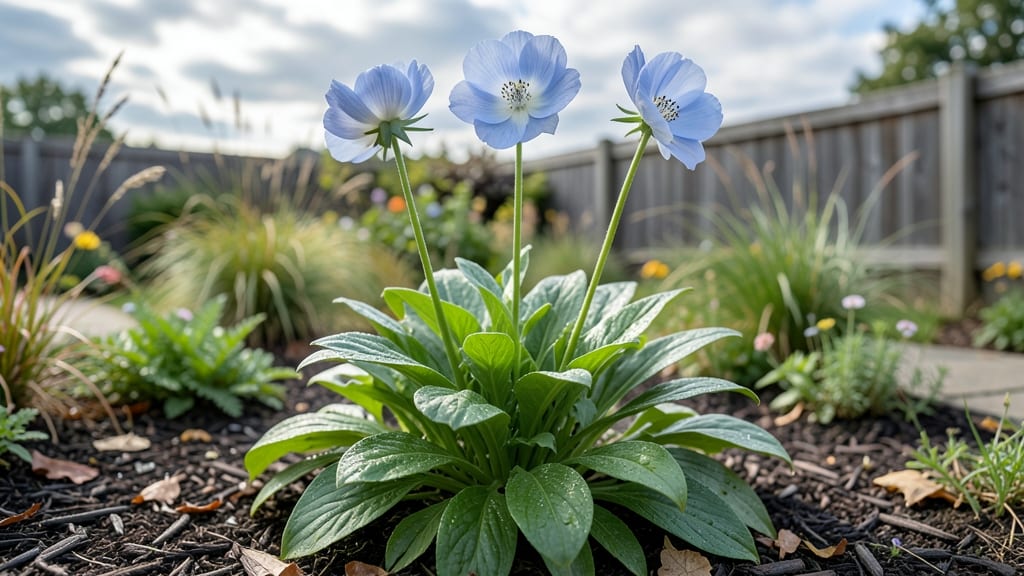
Balloon flowers thrive in sun or shade with surprising flexibility 🌸 — but getting the balance right can mean the difference between vibrant blooms and sparse stems.
Struggling to keep your balloon flowers blooming year after year? The secret might be simpler than you think—light exposure plays a surprisingly critical role in their growth and flowering patterns.
These medium-height perennials (1–3 feet tall) handle everything from morning sun to dappled shade, but too much harsh afternoon glare or deep shade can stunt their iconic bell-shaped blooms.
In this guide, I’ll break down exactly how much light your balloon flowers need, how to adjust their placement for nonstop blooms, and which companion plants pair best with them in mixed-light gardens.
 Best Window Placement
Optimal sunlight conditions for balloon flower blooms
If you've ever wondered why your balloon flowers (Platycodon grandiflorus) produce fewer blooms than expected, the answer likely lies in their sunlight exposure.
These stunning perennials thrive in a versatile light range, but getting the balance right makes all the difference between sparse stems and vibrant, continuous blooms. Understanding their sun requirements helps you create the perfect growing conditions for your garden.
The balloon flower is famously adaptable, happily growing in full sun to partial shade. However, their bloom frequency and flower size depend heavily on how much light they receive.
In my experience, plants in full sun produce larger, showier blooms, while those in partial shade may flower more sporadically but with longer stems. Let's break down the specifics to help you optimize your plants' light exposure.
🌱 Key Insight: Balloon flowers need at least 4-6 hours of sunlight daily for optimal growth, but they can tolerate morning sun with afternoon shade in hotter climates. This flexibility makes them ideal for mixed-light gardens or areas where direct sun is limited.
| Light Condition | Daily Sunlight Needs | Bloom Frequency | Flower Size | Regional Adaptation |
|---|---|---|---|---|
| Full Sun (6+ hours) | 6-8 hours | Frequent, continuous | Large, vibrant | Best in cooler climates (Zones 3-7) |
| Partial Sun (4-6 hours) | 4-6 hours | Moderate, seasonal | Medium, consistent | Ideal for hot climates (Zones 8-10) |
| Partial Shade (2-4 hours) | 2-4 hours | Sporadic, fewer blooms | Small, less vibrant | Works in shaded gardens (Zones 4-9) |
| Full Shade (<2 hours) | <2 hours | Very rare, minimal | Tiny, pale | Avoid in all climates |
In cooler climates (USDA Zones 3-7), balloon flowers perform exceptionally well in full sun. My plants in Zone 5 consistently produce larger blooms when given 6+ hours of direct sunlight, especially when paired with well-draining soil.
The key here is to avoid afternoon heat stress, which can scorch leaves. If you live in a hotter region like Zones 8-10, partial shade becomes crucial to prevent wilting or leaf burn.
For urban gardeners or those with limited space, east-facing windows or dappled shade from trees can work wonders. I’ve seen balloon flowers thrive near patio umbrellas or under lattice structures that filter sunlight.
The trick is to mimic natural light conditions—think of how they grow in their native woodland edges in Asia, where they receive filtered sunlight.
One common mistake I see is assuming that more sun always equals better blooms. While full sun boosts flower production, overhe
How to adjust light exposure for maximum flowering results
Balloon flowers (Platycodon grandiflorus) thrive with flexibility, but their light exposure directly impacts bloom frequency and stem strength. Too much shade can lead to leggy growth, while harsh afternoon sun may scorch delicate petals.
The key is finding that sweet spot—typically 4-6 hours of morning sun—and adjusting as seasons shift.
Start by observing your garden’s microclimates. North-facing areas stay cooler and shadier, while south-facing spots bake in intense light. If your balloon flowers are stretching toward light or producing fewer blooms, it’s time to intervene.
Simple adjustments—like rotating pots or thinning nearby foliage—can make a dramatic difference in just a few weeks.
⚠️ Balloon Flower Light Warning
Too much shade causes leggy stems and sparse blooms, while hot afternoon sun can scorch petals. If your plants are struggling, check these 3 red flags:
- Stems > 18" with few buds → Move to brighter spot
- Yellowing leaves on upper foliage → Reduce direct sun
- Bud drop before opening → Adjust watering + light balance
🌿 Pro Tip: Gradually acclimate plants to new light—move them 1 foot closer to ideal conditions weekly.
For container-grown balloon flowers, mobility is your advantage. Place pots near east-facing windows or under dappled shade in summer. If using grow lights, mimic natural cycles with 12-14 hours of light daily, but reduce intensity in winter to signal dormancy.
This mimics seasonal changes and encourages spring reblooming.
Pruning isn’t just for shaping—it’s a light management tool. Trim back overly dense foliage in early spring to let sun penetrate lower stems. Remove spent blooms regularly to redirect energy to new buds.
In hot climates, prune 1/3 of the plant in late summer to reduce stress from intense light.
Seasonal shifts demand proactive adjustments. In summer’s peak heat, provide afternoon shade with lightweight shade cloth (30%) or nearby plants like hostas or ferns. Conversely, in winter’s low light, group balloon flowers with taller perennials to create a shared microclimate that retains warmth and light.
Troubleshoot light-related issues with this quick checklist: Are stems weak and elongated? Move to brighter light. Are leaves crispy or bleached? Increase shade or water. For container gardens, ensure pots aren’t overcrowded—compact roots compete for light.
With these tweaks, your balloon flowers will reward you with bold blooms from early summer to frost. 🌸