
Pests
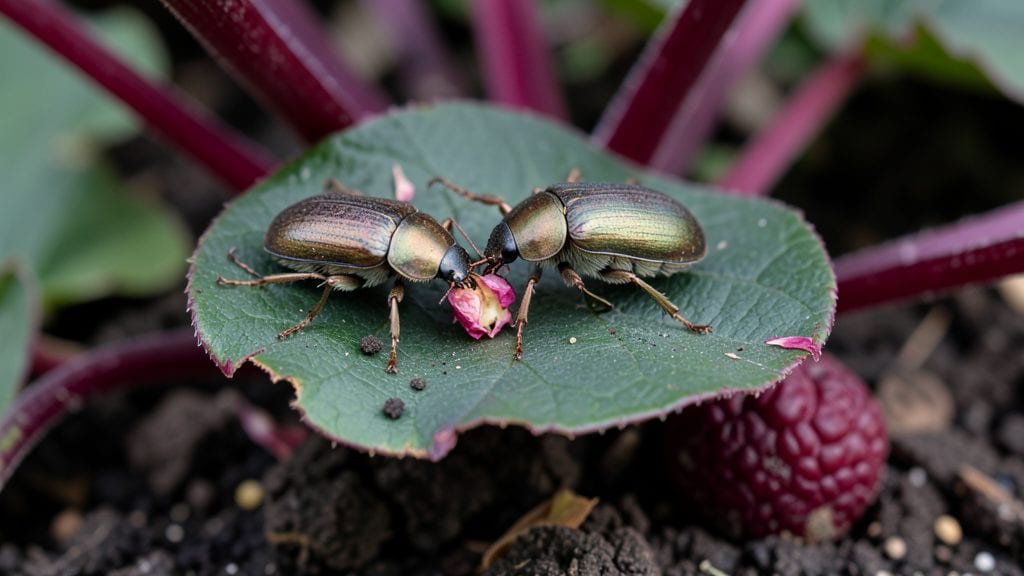
Seeing beetles eating those flowers on my peonies last summer nearly ruined my wedding bouquet plans—until I found natural remedies that saved my garden (and can protect yours too). 🌸
Most beetles target flowers for food or egg-laying sites, but Japanese beetles, flea beetles, and even ladybug larvae are common culprits. The good news? You don’t need harsh chemicals—neem oil, insecticidal soap, and handpicking work wonders when applied at the right time.
I’ll show you exactly how to spot them early and stop the damage before it starts.
With proper timing and these organic methods, you’ll protect your roses, dahlias, and other favorites without harming pollinators. The key is acting fast—once the beetles arrive, they move quickly. By the end, your garden will be thriving with full, unblemished blooms, just like mine is now.
Whether you’re dealing with a small infestation or a full-blown attack, these solutions adapt to any garden size. Let’s get those flowers looking their best again—naturally and effectively.
Why it happens
If you’ve noticed beetles devouring your prized blooms, you’re not alone—this is a common (and frustrating) garden dilemma. 🌸🐞 Understanding the why behind this behavior is the first step to protecting your plants.
Below, we break down the key factors driving beetles to feast on your flowers, from biological instincts to environmental triggers.
🌱 Natural Dietary Preferences
Many beetles, like the Japanese beetle or rose chafer, are polyphagous, meaning they eat a wide variety of plants—but they have favorites. Flowers are often high in sugars, nectar, and pollen, which provide quick energy for beetles during their adult stage. For example:
- Japanese beetles target roses, hibiscus, and grapes because their soft petals are easy to consume and packed with nutrients.
- Colorado potato beetles (yes, they eat flowers too!) prefer solanaceous plants like petunias and tomatoes, as their larvae and adults crave the same compounds.
- Squash vine borers may start on leaves but often migrate to flowers for the high-sugar rewards they offer.
Actionable insight: If you notice beetles zeroing in on specific flower types, it’s likely their natural preference—not random damage. Later, we’ll cover how to disrupt their menu!
🐝 Pollinator Confusion & Overpopulation
Beetles aren’t the only insects drawn to flowers—bees, butterflies, and other pollinators rely on them too. But when beetle populations explode (thanks to warm weather, lack of predators, or pesticide overuse), they can outcompete beneficial insects for resources. Here’s how it plays out:
- Lack of predators: Fewer birds, toads, or parasitic wasps mean beetles reproduce unchecked. Without natural controls, they’ll overconsume flowers.
- Climate shifts: Warmer springs lead to earlier beetle emergence, giving them a head start on your blooms before other pollinators arrive.
- Monoculture gardens: Planting large patches of the same flower (e.g., a sea of marigolds) creates a beetle buffet, making it easier for them to find and strip your plants.
Pro tip: 🌡️ Monitor beetle activity in your area—local agricultural extensions often track outbreaks. If your region reports high numbers, act preemptively with barriers or repellents.
🌿 Plant Stress Signals
Believe it or not, stressed plants attract more pests, including beetles. When flowers are nutrient-deficient, drought-stressed, or diseased, they emit chemical signals (called volatiles) that lure herbivores. Beetles can smell these distress calls from yards away! Common stress factors include:
| Stress Factor | How It Attracts Beetles |
|---|---|
| Overwatering or underwatering | Weak roots = softer tissue = easier for beetles to chew. Plus, fungal growth from excess moisture can draw beetle larvae. |
| Poor soil health | Low nitrogen or phosphorus makes flowers less resilient, so beetles see them as “easy targets.” |
| Pesticide residue | Some chemicals (like neonicotinoids) can repel pollinators but leave flowers more vulnerable to beetles, which aren’t affected. |
Fix it: Boost plant health with compost, balanced fertilizers, and proper watering (1–1.5 inches per week). Healthier flowers = less appealing to beetles.
🕰️ Timing: When Beetles Strike
Beetles don’t attack flowers randomly—they follow a life cycle timeline. Knowing their schedule helps you predict (and prevent) damage:
- Early summer (June–July): Adult Japanese beetles emerge and immediately seek flowers for mating and feeding.
- Late summer (August–September): Squash vine borers and Colorado potato beetles lay eggs on leaves, but their adults still target flowers for energy.
- Dawn and dusk: Beetles are most active during cool, humid mornings and evenings—when you’re least likely to spot them.
Strategic defense: ⏰ Set up traps or barriers before peak beetle activity (late May–early June in most regions). Evening inspections with a flashlight can reveal hidden chewers before they do major damage.
Practical Ways to Stop Beetles Devouring Blooms
Watching beetles munch on your prized flowers can feel like a garden nightmare—but don’t despair! With the right strategies, you can reclaim your blooms and keep them safe from hungry pests.
Below, we’ve mapped out targeted solutions based on the most common causes of beetle damage, from organic deterrents to hands-on removal techniques. Each fix is designed to be easy, effective, and garden-friendly.
🌿 If Beetles Are Drawn to Overripe or Damaged Blooms
Beetles often target flowers that are already stressed, wilted, or overripe. A few simple tweaks can make your garden less appealing to them:
🔥 Remove Affected Flowers Immediately
Deadhead or prune any flowers showing signs of damage or decay. Beetles are drawn to easy meals, so eliminating their buffet reduces their interest in healthy blooms.
Pro Tip: Use clean, sharp pruners to avoid spreading disease. Dispose of damaged flowers in sealed bags or compost them separately.
🍳 Boost Flower Health with Proper Care
Healthy flowers are less vulnerable. Ensure your plants get:
- Full sun exposure (most beetles avoid thriving, sun-kissed blooms).
- Regular watering (keep soil moist but not soggy—beetles love damp, rotting petals).
- Balanced fertilizer (use a slow-release option to avoid nutrient spikes that attract pests).
🌡️ Prevent Overripe Blooms with Timely Harvesting
For edible flowers (like nasturtiums or marigolds), harvest them when fully open but before they start to wilt. This keeps them fresh and less tempting to beetles.
🐞 If Japanese Beetles or Rose Chafers Are the Culprits
These beetles are notorious for skeletonizing flowers and leaves. Combat them with a mix of trapping, repelling, and biological controls.
🔪 Handpick Beetles Early in the Day
Japanese beetles and rose chafers are slow-moving in the morning. Wear gloves, drop them into soapy water, or relocate them far from your garden (at least 10 feet away).
Pro Tip: Check flowers and foliage before they pupate (late morning). A damp cloth can help you spot and remove them more easily.
🎯 Use Traps Strategically (But Carefully!)
Pheromone traps can lure beetles away—but place them far from your garden (at least 30 feet). Otherwise, they might attract more beetles to your plants.
For rose chafers, consider yellow sticky traps, which are less aggressive than pheromone traps.
✨ Apply Organic Repellents
Spray flowers with a mix of:
- Neem oil (1 tsp per quart of water + a drop of dish soap as an emulsifier). Reapply every 3–5 days.
- Garlic or chili pepper spray (blend 2 cloves of garlic or 1 chili pepper with water, strain, and spray on leaves).
- Kaolin clay (a natural barrier that coats leaves and deters beetles).
Pro Tip: Test sprays on a small area first to avoid damaging delicate blooms.
🛡️ If Beetle Larvae Are Hiding in Soil
Some beetles (like Japanese beetle grubs) lay eggs in the soil, leading to future infestations. Break the cycle with these soil-focused fixes:
👨🍳 Mulch with Beetle-Repellent Plants
Plant marigolds, geraniums, or catnip around your garden. Their strong scents deter beetles and larvae. Mulch with wood chips or straw to create a barrier that’s hard for larvae to penetrate.
⏰ Rotate Crops and Tillage (For Severe Cases)
If larvae are a persistent problem, till the soil in late summer or early fall to expose and kill them. Avoid tilling in spring, as this can bring dormant larvae to the surface.
Pro Tip: For organic gardens, use a sharp garden fork to aerate soil instead of heavy machinery, which can harm beneficial organisms.
💡 Introduce Beneficial Nematodes
These microscopic worms (Steinernema carpocapsae) hunt beetle larvae in the soil. Mix them with water and apply to moist soil in the evening for best results.
🌱 Long-Term Prevention Tips
Stop beetles before they start with these proactive measures:
- Plant beetle-resistant varieties (e.g., tulips, dahlias, or roses like ‘Knock Out’).
- Avoid overwatering—beetles thrive in damp conditions.
- Encourage natural predators like birds, ladybugs, and parasitic wasps by adding a birdbath or native plants.
- Use row covers for young plants or high-value blooms until they’re established.
- Clean up garden debris in fall to remove beetle hiding spots and egg-laying sites.
With these solutions, your flowers can bounce back—and beetles will have nowhere to hide! 🌸🚫🐞
Frequently asked questions
Why do beetles prefer certain flowers over others?
Beetles like Japanese beetles or rose chafers target flowers high in sugars, nectar, and pollen—think roses, hibiscus, or grapes. These blooms provide quick energy for adult beetles. If you notice specific flowers being eaten, it’s likely their natural preference, not random damage. Try planting beetle-resistant varieties like tulips or dahlias nearby.
How can I tell if beetles are damaging my flowers or if something else is the issue?
Look for skeletonized petals (chewed edges) or tiny holes in leaves—classic beetle signs. Japanese beetles leave behind a shiny, metallic sheen, while flea beetles create tiny, shot-hole patterns. If you spot adult beetles on your plants, that’s your first clue. Early morning inspections with a damp cloth can help spot them before they strike.
Are there any beetles that actually help flowers?
Yes! Ladybugs (even their larvae) and parasitic wasps are beneficial—they eat harmful pests like aphids and spider mites. Encourage them by planting native flowers like marigolds or adding a birdbath. Avoid broad-spectrum pesticides, which can wipe out these helpers along with the beetles you’re targeting.
Will neem oil harm my flowers if I use it to repel beetles?
Neem oil is safe for flowers when used correctly! Dilute it (1 tsp per quart of water) and test on a small area first. Spray in the evening to avoid harming pollinators, and reapply every 3–5 days. Always use a drop of dish soap as an emulsifier—this keeps it from clumping and ensures even coverage.
What’s the best time of day to handpick beetles from my garden?
Early morning is your best bet—beetles like Japanese beetles are slow-moving and easier to spot. Wear gloves and drop them into soapy water or relocate them at least 10 feet away. Avoid doing this in peak heat, as beetles become more active and harder to catch.