
Blooming
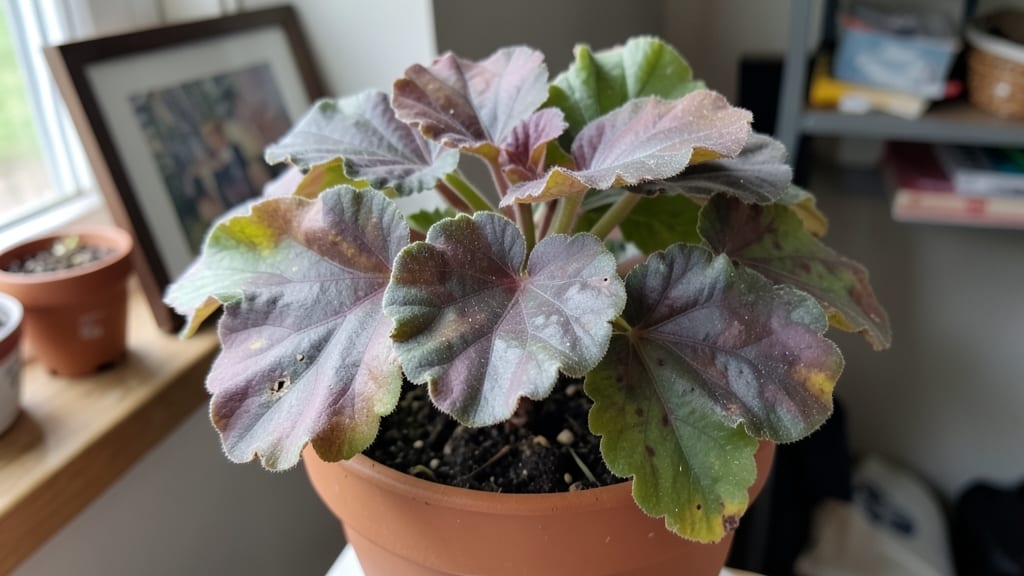
My begonia not flowering for months—just thick green leaves—until I uncovered the surprising trio of light, food, and watering mistakes sabotaging my blooms. 🌿 The good news? Fixing it is simpler than you’d think, and you’ll see buds within weeks if you adjust just a few things.
Begonias need bright, indirect light for at least 6 hours a day, but too much direct sun scorches the leaves while too little makes them focus on foliage instead of flowers.
Pair that with balanced fertilizer (half-strength, every 4-6 weeks) and you’re already ahead of most gardeners. Overwatering stresses them too—let the top inch dry out between drinks.
Once you tweak these, your plant will shift into bloom mode. Expect pink, white, or red flowers within 4-6 weeks, depending on the variety. The key is consistency—don’t go back to neglect after the first flush of buds appears.
Think of it like giving your begonia a second chance at its glory moment.
Works for tuberous, wax, or rex begonias—just watch for seasonal cues. If you’re in a cooler climate, wait until spring to push for blooms. Now, let’s get those flowers popping!
The Hidden Triggers Blocking Blooms
Your begonia may be thriving with lush foliage but stubbornly refusing to flower—don’t panic! The reasons behind this are often rooted in environmental cues and plant physiology that begonia species rely on to trigger blooming.
Understanding these causes is the first step to coaxing those vibrant flowers back into action. Let’s break down the science behind why your begonia is playing hard to bloom.
🌱 Insufficient Light Exposure
Begonias are photoperiod-sensitive, meaning they need specific light conditions to initiate flowering. Most flowering begonia varieties (like Begonia × tuberhybrida) require bright, indirect light for 12–14 hours daily to stimulate blooming. Here’s why light matters:
- Photosynthesis vs. Flowering: While foliage grows in moderate light, flowering is triggered by longer daylight hours and intense light intensity. Too little light = energy goes to leaves, not flowers.
- The "Critical Daylength" Rule: Many begonia cultivars need 10+ hours of daylight to produce flower buds. Shorter days (common in winter) can halt blooming entirely.
- UV-B Light Matters: Studies show that UV-B radiation (found in natural sunlight) can boost florigen, a hormone that signals flowering. Artificial grow lights often lack this spectrum.
💡 Pro Tip: If your begonia is indoors, place it near an east- or west-facing window or supplement with a full-spectrum LED grow light (10,000–12,000 Kelvin) for 14 hours/day. Rotate the pot weekly for even light exposure.
🍽️ Nutrient Imbalances: Too Much or Too Little
Flowering is an energy-intensive process, and begonia plants require specific nutrients to produce blooms. Common imbalances include:
| Nutrient Issue | Why It Stops Blooms | How to Fix It |
|---|---|---|
| Excess Nitrogen (N) | Nitrogen fuels leafy growth at the expense of flowers. High-N fertilizers (like lawn fertilizers) trick the plant into prioritizing foliage. | Switch to a balanced or phosphorus-heavy fertilizer (e.g., 5-10-10 or 10-20-20 ratio). Reduce nitrogen by half. |
| Phosphorus (P) Deficiency | Phosphorus is critical for flower development. Without it, the plant can’t form buds or sustain blooms. | Feed with a phosphate-rich fertilizer (like bone meal or superphosphate) or use a bloom booster with 10%+ P. |
| Potassium (K) Shortage | Potassium regulates enzyme activity needed for pollination and flower longevity. Low K = weak, short-lived blooms. | Add a potassium supplement (like banana peel tea or a 0-0-50 fertilizer) during the blooming season. |
| Micronutrient Deficiencies (Mg, Ca, Boron) | Even small deficiencies (e.g., magnesium for chlorophyll or boron for cell division) can halt bud formation. | Use a chelated micronutrient spray or remineralize soil with crushed eggshells (Ca) or Epsom salt (Mg). |
⚠️ Warning: Over-fertilizing is just as bad as under-fertilizing! Salt buildup from excess fertilizers can burn roots and stress the plant, further delaying blooms. Always water thoroughly after feeding.
🌡️ Temperature & Humidity Mismatches
Begonias are tropical plants with precise temperature and humidity needs. Deviations from their ideal range can disrupt hormonal signals (like florigen) needed for blooming:
- Too Cold (<50°F/10°C):
- Slows metabolic processes, including flower bud initiation.
- Can cause bud drop if exposed to sudden chills.
- Too Hot (>85°F/30°C):
- Increases respiration rates, depleting energy that could go to flowers.
- Lowers humidity, causing stress and stunted growth.
- Humidity Below 50%:
- Triggers osmotic stress, forcing the plant to conserve water instead of producing flowers.
- Dry air also attracts pests (like spider mites), which further stress the plant.
🌡️ Ideal Conditions: Daytime: 65–75°F (18–24°C) Nighttime: 60–65°F (15–18°C) Humidity: 50–70% (use a pebble tray or humidifier if needed).
🌱 Age & Dormancy Cycles
Not all begonia issues are fixable—sometimes, the plant simply isn’t ready to bloom:
- Young Plants:
- Most begonia cultivars won’t flower until they’re 6–12 months old and have established a robust root system.
- Focus on leaf growth first; flowers will follow.
- Dormancy Periods:
- Tuberous begonias (e.g., Begonia × tuberhybrida) enter dormancy in winter to conserve energy. Forcing them to bloom out of season exhausts reserves.
- Solution: Let them rest for 8–10 weeks in cool (50–60°F/10–15°C), dry conditions. Resume care in spring.
- Overcrowded Roots:
- Root-bound begonias redirect energy to root growth instead of flowers. Check for roots circling the pot.
- Repot into fresh, well-draining soil with a slightly larger container (only 1–2 inches bigger in diameter).
💡 Pro Tip: If your begonia is past its first year and still not flowering, try pruning spent blooms to encourage new growth. Some varieties (like Begonia boliviensis) bloom on old wood, so
Revive Blooms With These Simple Fixes
If your begonia is refusing to bloom, don’t panic—it’s often a fixable issue! The key is identifying the root cause and taking targeted action. Below, we’ve mapped out practical solutions for the most common reasons your begonia isn’t flowering, along with prevention tips to keep it blooming beautifully.
Let’s get your plant back on track!
🌱 Fix 1: Boost Light Exposure for More Blooms
If your begonia isn’t getting enough light, it’s likely focusing all its energy on leaf growth instead of flowering. Here’s how to adjust:
🔥 Adjust Light Conditions
- Move it to brighter indirect light—near an east or west-facing window is ideal. South-facing windows work too, but filter the light with a sheer curtain to prevent leaf scorch.
- Rotate the pot weekly to ensure even light exposure on all sides (🌞 this prevents lopsided growth).
- Supplement with grow lights if natural light is insufficient (12–14 hours of light per day mimics spring/summer conditions).
❄️ Prevent Winter Light Struggles
- Extend light exposure in fall/winter with a simple LED grow bulb (even 4–6 extra hours helps).
- Avoid cold drafts—begonias need consistent warmth (65–75°F) to trigger blooming.
🍽️ Fix 2: Feed the Right Way for Flower Power
Begonias need the right nutrients to produce flowers. Over- or under-feeding can stall blooms entirely.
🥄 Use a Balanced Blooming Fertilizer
- Switch to a bloom-boosting formula (like 10-10-10 or 5-10-10) in early spring and summer. Avoid high-nitrogen feeds—they encourage leaves, not flowers!
- Feed lightly but often: Dilute fertilizer to half-strength and apply every 2–4 weeks during the growing season (spring to fall).
- Flush the soil every 3 months with water to prevent salt buildup (💧 this can burn roots and stop blooming).
🍎 Pro Tip: Feed at the Right Time
- Start fertilizing in early spring when new growth appears—this signals the plant to focus on flowers.
- Stop feeding in late summer to let the plant rest before winter.
🌡️ Fix 3: Adjust Temperature & Humidity for Blooming Success
Begonias are tropical plants—they thrive in warm, humid conditions. If your home is too dry or too cold, flowering will suffer.
🌡️ Set the Perfect Climate
- Keep temps between 65–75°F (50°F or below can shock the plant into dormancy).
- Increase humidity with a pebble tray, humidifier, or by grouping plants together (🌿 humidity-loving plants release moisture!).
- Mist leaves gently in dry climates, but avoid soggy soil.
❄️ Prevent Winter Dormancy Too Soon
- Don’t let temps drop below 60°F—this can trick the plant into early dormancy, halting blooms.
- Use a heat mat under pots in winter if your home runs cold.
🔄 Fix 4: Prune & Refresh for New Growth
Old, leggy stems or overcrowded roots can drain energy from flowering. A little pruning goes a long way!
✂️ Prune Strategically
- Trim back leggy stems in early spring to encourage bushier, more compact growth (🌱 this redirects energy to new blooms).
- Remove spent blooms regularly—this prevents seed production and encourages more flowers.
- Repot every 2–3 years if roots are circling (🌿 fresh soil gives nutrients a fresh start).
🌱 Encourage Airflow
- Space plants apart to reduce humidity-related diseases (like powdery mildew), which can stress the plant.
- Wipe leaves with a damp cloth monthly to remove dust (🌿 this helps the plant absorb more light).
💡 Bonus: Quick Troubleshooting Table
Not sure which fix to try first? Use this quick guide:
| Issue | Likely Cause | Fast Fix |
|---|---|---|
| No blooms + lots of leaves | Too much nitrogen or not enough light | Switch to bloom fertilizer + move to brighter spot |
| Dropping buds | Low humidity or sudden temp changes | Increase humidity + keep temps stable |
| Slow growth + yellow leaves | Overwatering or poor drainage | Let soil dry slightly between waterings + repot if needed |
| Blooms but no new ones | Old plant or lack of pruning | Prune back 1/3 of the plant + fertilize |
With these adjustments, your begonia should start producing stunning blooms in 4–8 weeks! Consistency is key—monitor light, water, and food, and your plant will reward you with vibrant flowers all season long. 🌸
Frequently asked questions
Why isn’t my begonia producing flowers despite healthy green leaves?
Your begonia likely needs more light—it prioritizes leaf growth over blooms when light is insufficient. Aim for 6-8 hours of bright, indirect light daily, like an east-facing window. If indoors, supplement with a full-spectrum grow light for 12-14 hours to mimic summer conditions.
How often should I fertilize to encourage blooming?
Switch to a balanced or phosphorus-heavy fertilizer (like 5-10-10) and apply it every 4-6 weeks during spring and summer. Always dilute to half-strength to avoid root burn. Stop fertilizing in late summer to help your begonia rest before winter.
Can I force my begonia to bloom year-round?
Not without stressing the plant! Tuberous begonias enter dormancy in winter—let them rest for 8-10 weeks in cooler (50-60°F) conditions. Forcing blooms out of season exhausts reserves. Instead, focus on consistent care and let nature’s seasonal cues guide flowering.
What do yellow leaves mean for my begonia’s blooming chances?
Yellow leaves often signal overwatering or poor drainage. Let the top 1 inch of soil dry out between waterings, and ensure your pot has drainage holes. Avoid soggy soil—begonias hate “wet feet”! Fix this, and your plant will redirect energy back to blooms.
How long should I wait to see results after adjusting care?
With proper light, fertilizer, and humidity adjustments, you’ll likely see new buds in 4-6 weeks. Patience is key—begonias respond to consistent care. If your plant is young (1 year old), it may need another 3-6 months to mature before flowering.