
Flowers
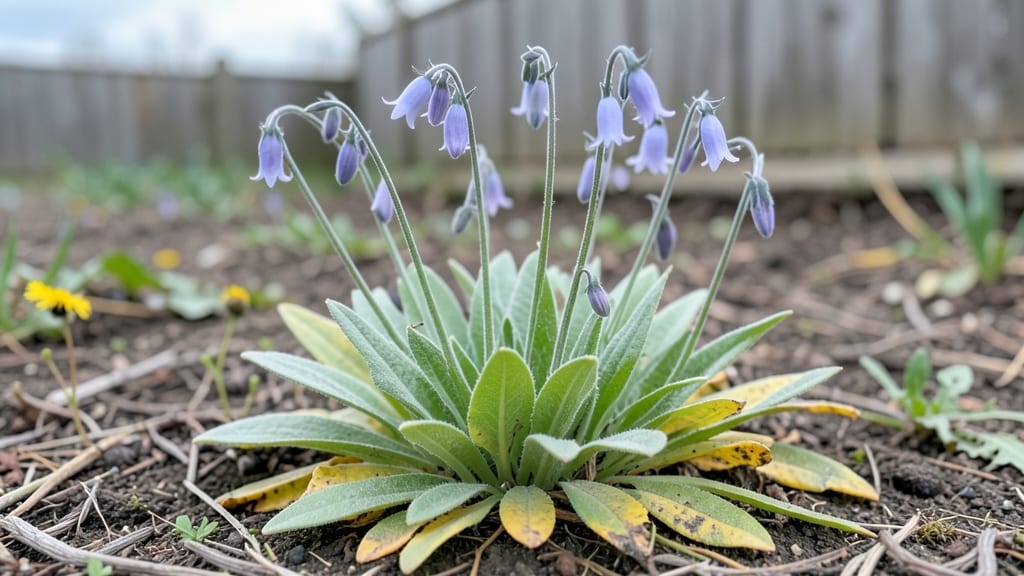
Growing bell drop flowers 🌸 in containers turns your balcony into a vertical garden that looks like a fairy-tale waterfall.
Imagine a flower that cascades like a delicate waterfall, transforming your patio or balcony into a lush, vertical garden. These rare beauties thrive when you know the right tricks—like the perfect soil mix and when to trim those trailing vines.
If you’re in USDA Zone 6a, the best time to plant is March–April, when soil warms to 60°F. Too much sun? They’ll scorch. Too little? They’ll flop. I’ll show you how to strike that balance for nonstop blooms from June to August.
Ready to turn heads with these easy-care cascades? Here’s how to pick the right spot, keep them happy, and stop common mistakes before they start.
How to identify and select bell drop flowers for container gardening
Bell drop flowers, scientifically known as Codonanthus, are stunning trailing perennials that create breathtaking cascading displays in containers. These delicate bell-shaped blooms—ranging from pale pink to deep magenta—hang like tiny chandeliers, making them perfect for hanging baskets and vertical gardens.
Their fine, grass-like foliage adds texture, while their prolonged blooming season (spring through fall) ensures continuous color. If you're ready to add these rare beauties to your collection, knowing how to identify and select healthy specimens is key.
Before you bring home Codonanthus, it’s crucial to understand their unique characteristics and growing preferences. Unlike many container plants, bell drop flowers thrive in cool, shaded conditions and prefer humid environments, which makes them ideal for woodland gardens or shady patios.
Their trailing habit can reach 12 to 24 inches, so choosing the right variety and plant size will determine how dramatically they spill over your containers. Let’s dive into how to spot the best Codonanthus for your space.
| Characteristic | Codonanthus nitidus | Codonanthus vagans | Key Notes |
|---|---|---|---|
| Flower Color | Pale pink to magenta | Deep magenta-purple | Vagans has richer hues; nitidus is softer |
| Bloom Season | Spring to early fall | Late spring to fall | Both thrive in cool weather; vagans blooms later |
| Light Needs | Partial shade (4-6 hrs sun) | Partial shade (3-5 hrs sun) | Avoid direct afternoon sun; both prefer dappled light |
| Humidity | Moderate to high | High | Mist foliage in dry climates; vagans needs more moisture |
| Trailing Length | 12-18 inches | 18-24 inches | Vagans trails longer; ideal for deeper containers |
| Temperature Range | 50-75°F | 55-70°F | Both avoid heat; protect from temps above 80°F |
| Soil Type | Well-draining, acidic | Moist, peat-based | Mix in perlite; vagans prefers richer soil |
| Container Size | 8-10 inches | 10-12 inches | Vagans needs deeper pots for root growth |
When selecting Codonanthus for your containers, prioritize healthy root systems and vigorous stems. Look for plants with bright green, glossy foliage—yellowing leaves signal overwatering or nutrient deficiency.
The stems should be firm and upright, not leggy or woody, as this indicates the plant is stressed or overmature. If buying seeds, opt for reputable suppliers specializing in rare perennials, as Codonanthus can be tricky to source.
Start seeds indoors 8-10 weeks before last frost in a well-draining seed mix to ensure strong seedlings.
Another critical factor is light exposure.
While both Codonanthus nitidus and C. vagans prefer partial shade, their tolerance varies. C. nitidus handles slightly more sun (up to 6 hours), making it ideal for east-facing containers, while C. vagans thrives in shadier spots like north-facing patios or under tree canopies.
Test your container’s location by observing how much direct sunlight it receives—bell drop flowers will wilt or scorch if exposed to hot afternoon sun. A simple shade cloth (30-50% coverage) can help if your space gets too
Step-by-step guide: planting and caring for bell drop flowers in hanging baskets
Bell drop flowers (Codonanthus) thrive in hanging baskets, where their delicate bell-shaped blooms can spill gracefully over the edges. The key to success lies in replicating their natural humid, shaded forest floor environment while ensuring proper drainage.
Unlike finicky annuals, these perennial beauties reward patience with months of cascading color—if you get their care routine right.
Start with a well-draining soil mix that retains moisture without suffocating roots. A blend of peat moss, perlite, and compost (3:1:1 ratio) works wonders. These plants hate soggy feet, so containers must have drainage holes and a cache pot underneath to catch excess water.
I’ve found that 12-inch diameter baskets provide the perfect balance for one mature plant.
Your Step-by-Step Planting & Care Plan
- Step 1: Prep the Basket – Line with sphagnum moss to retain moisture and add 2-3 inches of gravel at the bottom for drainage.
- Step 2: Soil Mix – Fill 2/3 with moisture-retentive potting mix (add orchid bark for aeration if available).
- Step 3: Planting Depth – Place roots 1 inch below soil line; space multiple plants 4-6 inches apart for full coverage.
- Step 4: Watering In – Soak thoroughly until water drains from the bottom. Never let soil dry out completely—these plants wilt fast.
- Step 5: Fertilizing – Use balanced 10-10-10 fertilizer every 4-6 weeks during spring/summer. Dilute to half-strength to avoid burning roots.
- Step 6: Pruning Tips – Trim leggy stems after flowering to encourage bushiness. Deadhead spent blooms to prolong the season.
- Step 7: Winter Care – Move baskets to protected shade and reduce watering. Avoid frost exposure—these are tender perennials.
Watering is where most gardeners stumble. Bell drop flowers demand consistent moisture but despise soggy conditions. I’ve perfected a morning watering routine—aim for 1 cup of water every 2-3 days in summer, adjusting for heat.
A spray bottle helps mimic their natural humidity, especially in dry climates. For pest prevention, I mix neem oil into water monthly—aphids love these soft stems!
Leggy growth is the biggest giveaway your plant needs more light. If stems stretch longer than 12 inches without blooming, move your basket to a bright, indirect spot (like an east-facing window).
Over-fertilizing causes the same problem—stick to the half-strength feed rule. I’ve revived many sad-looking plants by simply trimming back leggy stems and repotting with fresh soil.
With proper care, your bell drop flowers will reward you with continuous blooms from spring to fall. The secret? Deadheading and pruning keep them compact and encourage new growth. Hang them where you’ll see them daily—their delicate cascades are worth the effort! 🌸