
Trees
Transform your landscape with these 10 magnificent flowering trees that deliver breathtaking blooms, seasonal color shifts, and architectural grandeur. Perfect for creating a year-round visual spectacle that elevates any outdoor space.
Japanese Cherry Blossom Tree
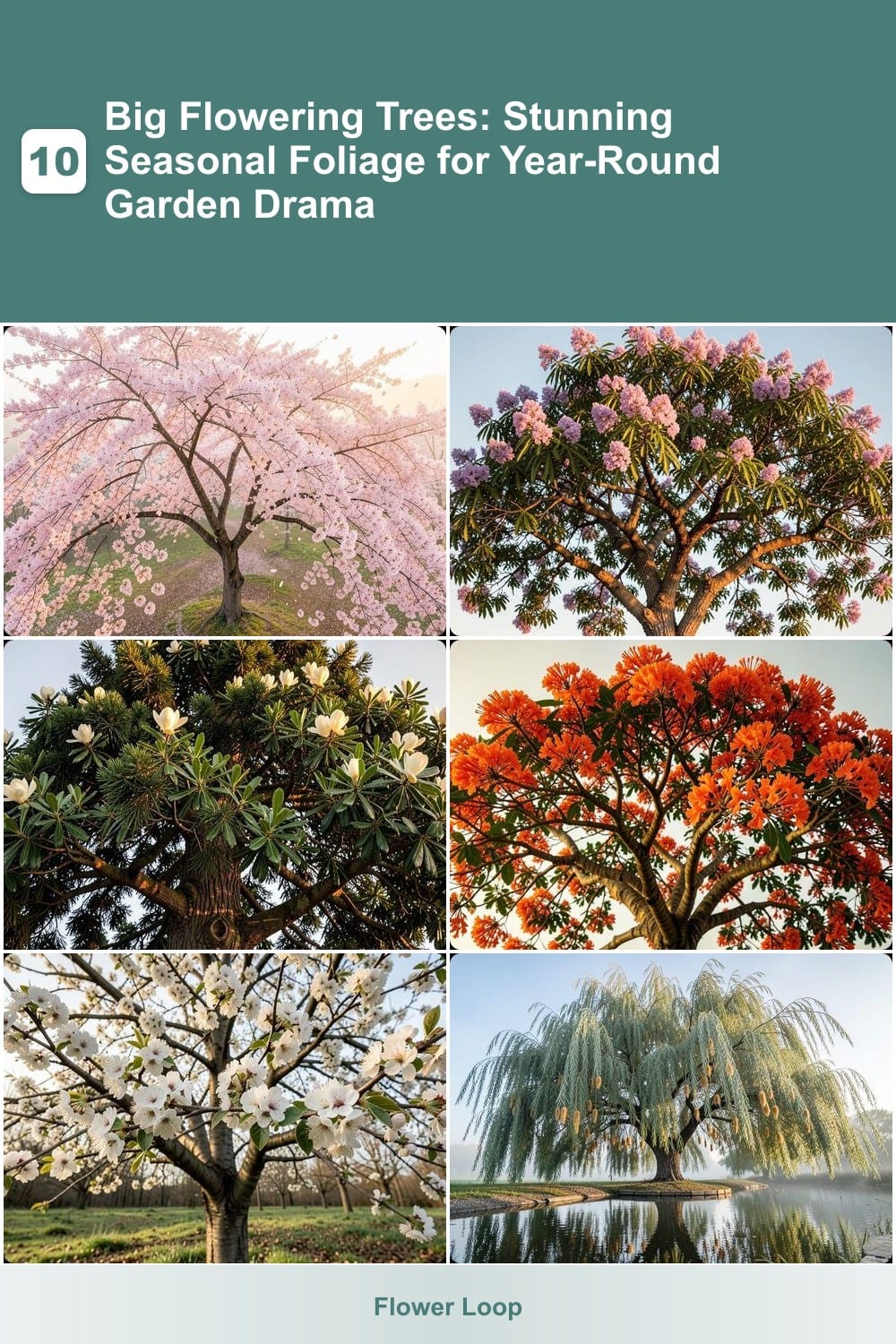
Imagine stepping into a dreamy pink paradise every spring when your Japanese cherry blossom tree bursts into bloom. These trees aren’t just beautiful—they bring a sense of serenity and cultural elegance to any space, making them perfect for urban gardens, parks, or even as a stunning focal point in your backyard.
Native to Japan, these trees thrive in USDA zones 5-8 and prefer well-drained soil with full sun exposure (at least 6 hours daily). Their delicate, pastel-pink flowers create a breathtaking canopy that lasts only a few weeks, but the temporary shade and seasonal drama they provide are well worth the wait. For best results, plant them in moist, slightly acidic soil and prune lightly after blooming to maintain their natural shape.
This tree is ideal for those who want to evoke a sense of tranquility and cultural beauty in their outdoor spaces. Whether you're an urban gardener or a park designer, the Japanese cherry blossom will transform your landscape into a serene sanctuary. ✨
Crape Myrtle Tree
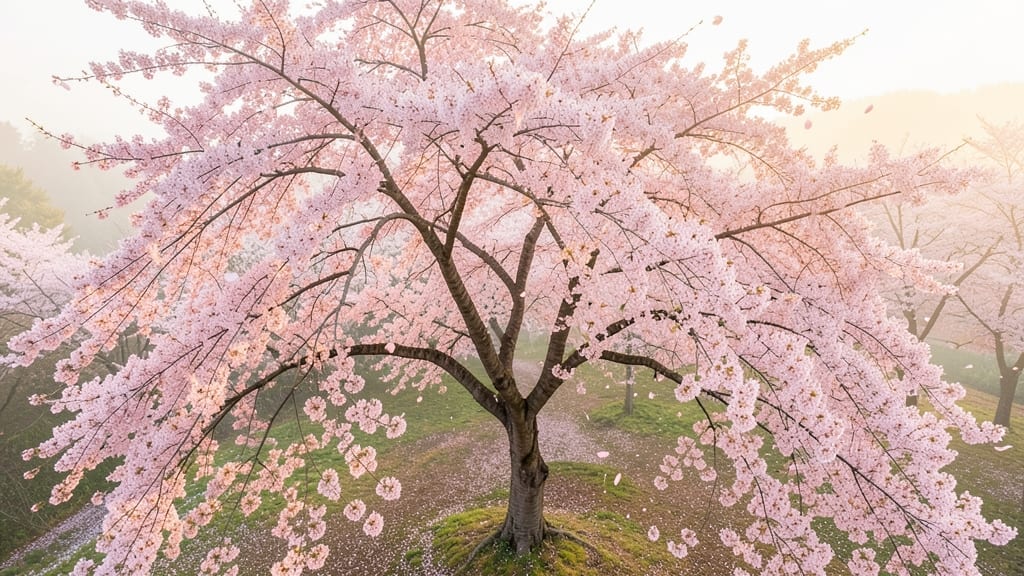
When spring blooms fade but you crave color, the crape myrtle tree steps in as the Southern garden’s summer superstar. Unlike spring ephemerals, this drought-tolerant workhorse thrives in 90°F+ heat while producing lavender-pink flower clusters that last from July through September—long after most trees have called it quits.
Native to the Southeast, crape myrtles demand minimal water once established and tolerate poor, rocky soil. Their textured bark adds winter interest, while the fragrant blooms attract bees, butterflies, and hummingbirds—making them a pollinator powerhouse. For best results, plant in full sun and prune in late winter to shape the tree while removing dead wood.
This tree is ideal for homeowners in USDA Zones 6-9 who want low-maintenance seasonal drama without the fuss of irrigation or fertilizing. Perfect for foundation plantings, mixed borders, or even as a standalone specimen, it’s the unsung hero of year-round Southern gardens. 🌻
Magnolia Grandiflora
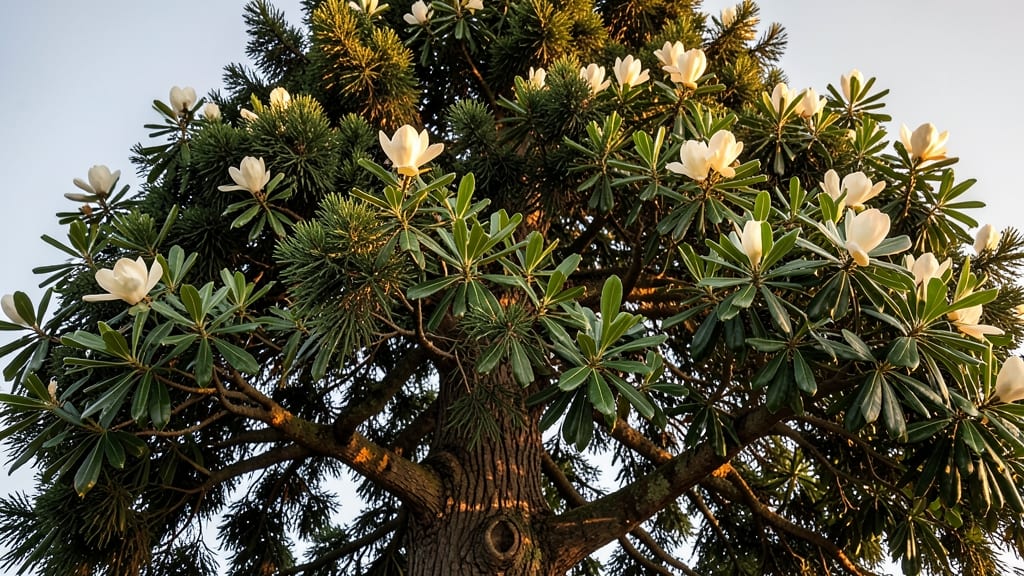
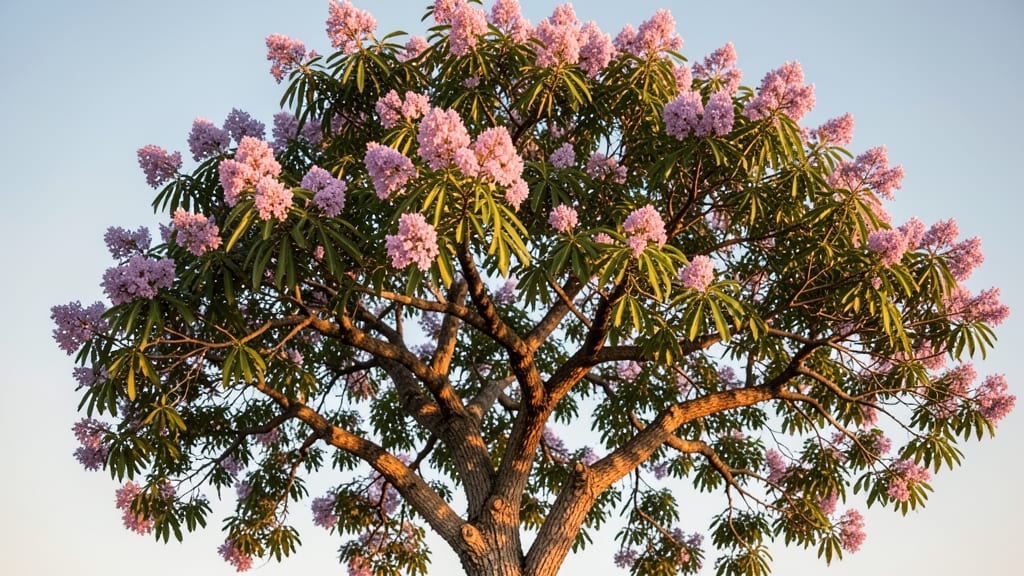
Looking for a year-round statement maker that doubles as a fragrant privacy screen? The Magnolia grandiflora delivers lush, evergreen foliage and creamy white summer blooms that perfume the air—no seasonal gaps here.
This drought-tolerant giant thrives in USDA Zones 7-10, reaching 60-80 feet tall with a 20-30 foot spread. Plant it where it can cast deep shade (ideal for patios or pool areas) and protect it from harsh winds. The glossy dark green leaves stay vibrant through winter, while the 6-inch-wide blooms appear in late spring to early summer, attracting pollinators.
Perfect for formal gardens, coastal landscapes, or as a privacy hedge, this magnolia adds timeless elegance with minimal fuss. Just give it well-drained soil and occasional pruning to shape its broad canopy. 🌿
Royal Poinciana Tree
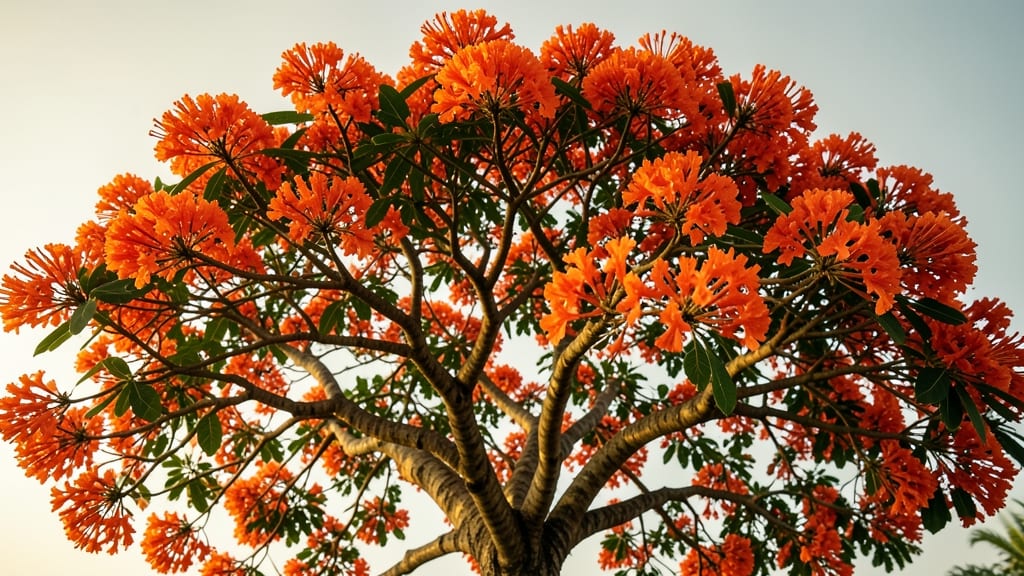
If you crave a bold seasonal statement that turns heads in summer, the Royal Poinciana Tree (Delonix regia) delivers with its fiery orange-red blooms that resemble flaming torches. Unlike the delicate blooms of cherry blossoms or the fragrant magnolias, this tree offers a dramatic, high-impact display that thrives in USDA Zones 10-12—making it a must-have for coastal gardens, beachfront properties, and tropical landscapes.
Native to Madagascar but naturalized in Florida and Hawaii, this fast-growing tree reaches 30-40 feet tall with a rounded canopy, casting dappled shade while its feathery foliage adds texture. Plant it where its vibrant summer blooms (June–September) will be the star—near patios, poolside, or as a standalone specimen. While it’s drought-tolerant once established, young trees appreciate regular watering and well-draining soil to prevent root rot.
Perfect for gardeners who want instant drama without the fuss of seasonal color changes, this tree also attracts hummingbirds and butterflies. Just be prepared for its messy seed pods—they’re part of the tropical charm! 🌻
Bradford Pear Tree
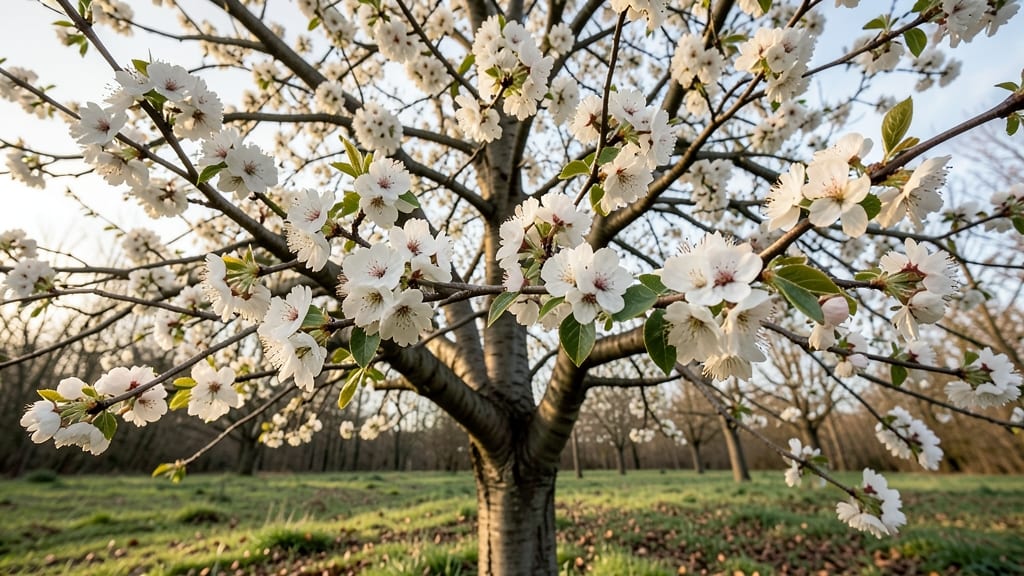
When you crave instant spring color without the fuss of delicate blooms, the Bradford pear tree delivers a fragrant, white floral display that arrives early—often before many other trees even think about waking up. Its 4-6 week bloom period in late winter or early spring makes it a standout for small yards and urban gardens where space is limited but impact matters.
This tree thrives in full sun to partial shade and handles a range of soil types, though it prefers well-drained conditions. With minimal pruning needs and a mature height of 30-40 feet, it’s ideal for suburban properties where you want beauty without the upkeep of high-maintenance varieties. The fragrant blossoms also attract pollinators early in the season, giving your garden a head start on supporting local ecosystems.
Perfect for first-time tree owners or those with limited space, the Bradford pear offers a low-maintenance way to welcome spring with a burst of color and scent. Just be sure to plant it where its eventual size won’t interfere with power lines or structures. 🌷
Weeping Willow Tree
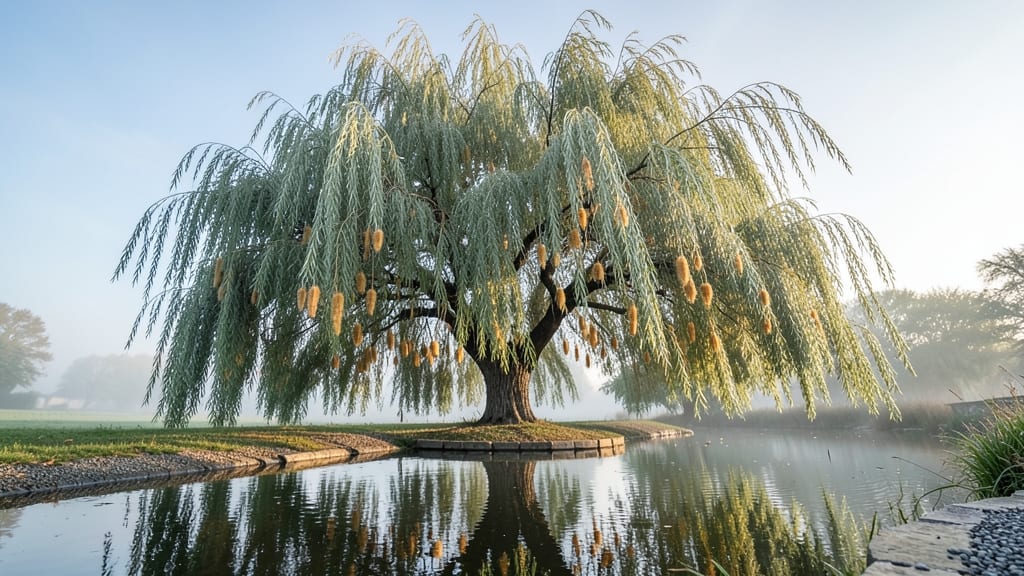
Transform a simple water feature into a dreamy focal point with the weeping willow tree, whose cascading branches and golden catkins create a romantic, almost fairytale-like atmosphere. Unlike other flowering trees, this graceful giant thrives near ponds, lakes, or even large containers, making it ideal for small spaces with water elements.
Plant your weeping willow in full sun to partial shade with moist, well-drained soil—its roots naturally seek out water, so avoid planting near foundations or septic systems. The tree’s delicate arching branches can reach 30-50 feet wide, so provide plenty of space (at least 20 feet from structures) to accommodate its mature spread. Prune lightly in late winter to maintain shape and encourage lush growth.
Perfect for gardeners who love soft, textured foliage and seasonal interest, this tree adds movement and tranquility to any water garden. Its year-round appeal makes it a standout choice for creating serene outdoor retreats. 🌿
Fringe Tree
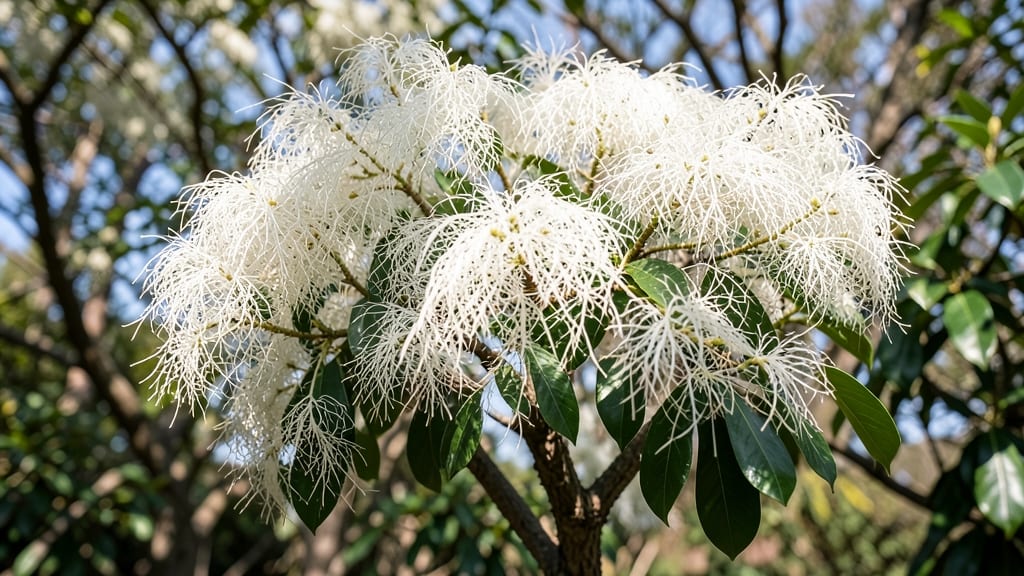
If you crave a late-spring spectacle that feels like a dreamy, ethereal cloud drifting through your garden, the fringe tree (Chionanthus virginicus) is your answer. Unlike other flowering trees with bold colors, this native North American beauty produces delicate, fringe-like white blooms that create a soft, misty effect perfect for woodland gardens and naturalistic landscapes.
Plant it in partial shade to full sun with well-drained soil, and you’ll reward yourself with three to four weeks of showy flowers in May or June. The tree thrives in USDA zones 4-9, making it versatile for temperate climates, and its dark green foliage provides year-round structure. Prune lightly after flowering to maintain its airy, open form.
This underrated gem is ideal for gardeners who love textural contrast and want to mimic a wild, natural setting without sacrificing beauty. It’s also a pollinator magnet, attracting bees and butterflies to your garden. 🌿
Tulip Tree
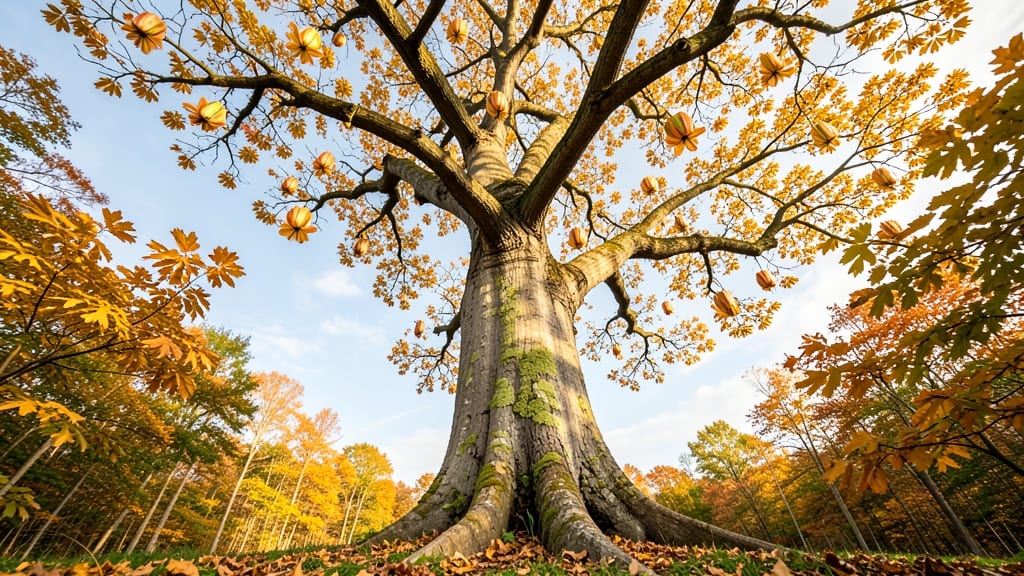
If you're craving a native North American tree that delivers drama across all four seasons, the tulip tree (Liriodendron tulipifera) is your answer. This towering giant grows up to 75 feet tall, offering both tulip-shaped summer blooms and golden-yellow fall foliage that outshines many ornamental trees.
Plant it in partial shade to full sun with well-draining soil, and watch it thrive in USDA zones 4-9. The tree’s fast growth rate (up to 3 feet per year) makes it ideal for quickly establishing shade, while its butterfly-friendly flowers add seasonal pollinator value. Just be mindful of its aggressive roots—keep it at least 30 feet from structures.
Perfect for woodland gardens, rural properties, or large yards, the tulip tree’s year-round interest—from spring blooms to autumn color—ensures it remains a standout. 🌻
Coral Tree
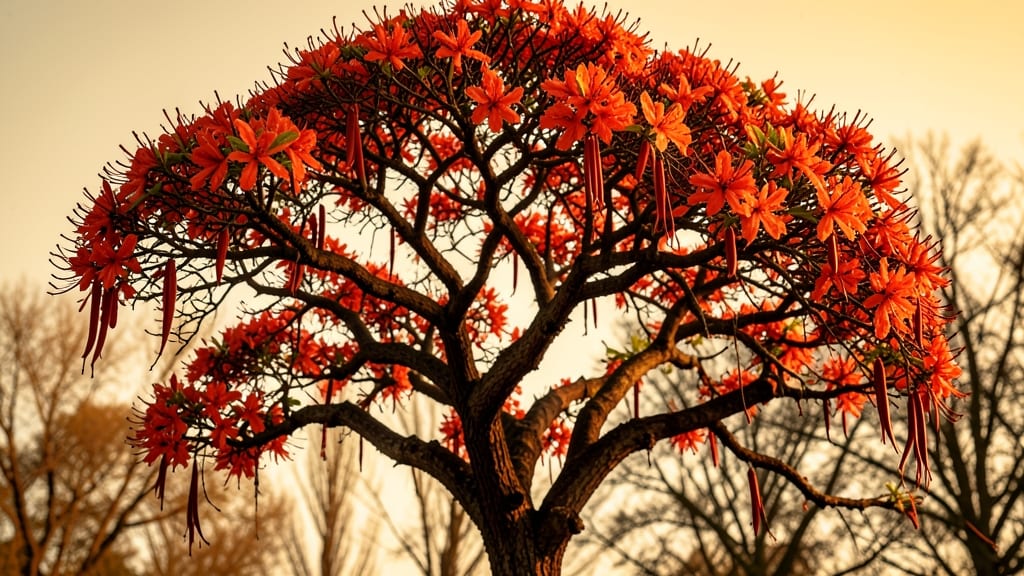
When most gardeners think of fall color, they picture golden maples—but the coral tree (Erythrina crista-galli) steals the show with its bold, fiery red-orange blooms that last for weeks. Unlike spring or summer bloomers, this tree lights up the autumn landscape when other plants are winding down, making it a standout for seasonal drama.
Native to South America but perfectly adapted to Mediterranean climates, this drought-tolerant tree thrives with minimal care. Plant it in well-draining soil with full sun exposure (6+ hours daily), and it will reward you with clusters of vibrant flowers that attract hummingbirds and butterflies. Prune lightly after blooming to maintain its compact shape, and watch as it becomes the centerpiece of your fall garden.
Ideal for low-water landscapes, urban courtyards, or Mediterranean-style gardens, the coral tree brings year-round interest with its striking bark and glossy green foliage. Gardeners in zones 8-11 will love its resilience and bold seasonal statement. 🌻
Hibiscus Tree
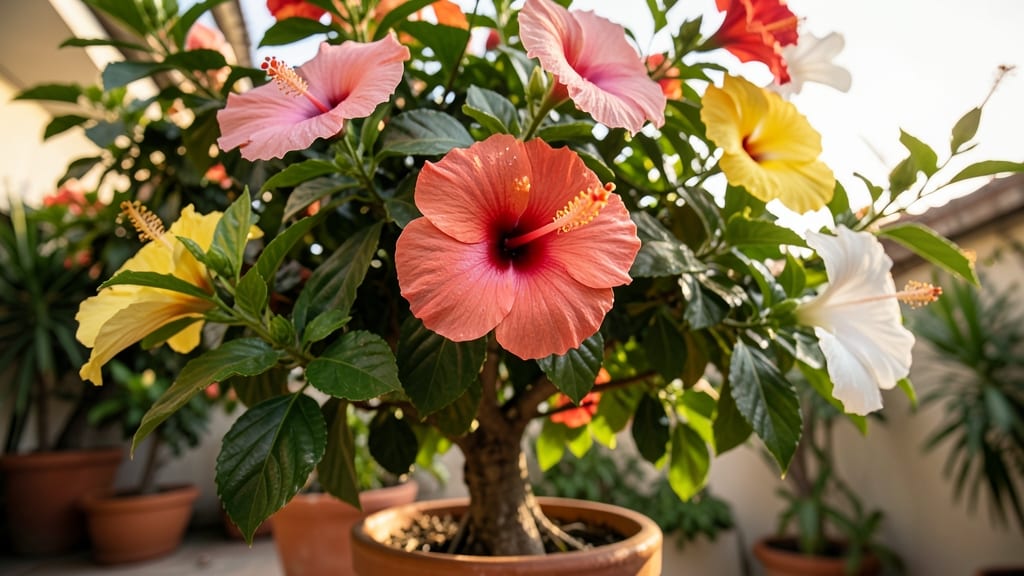
Bring instant tropical vibes to your space with the hibiscus tree, whose bold, dinner-plate-sized blooms in pink, red, yellow, or white create a summer-long spectacle. Unlike other flowering trees, hibiscus thrives in containers, making it perfect for patios, balconies, or small yards where space is limited.
These sun-loving plants need at least 6 hours of direct sunlight daily and well-draining soil to prevent root rot. Prune after flowering to encourage bushier growth, and fertilize monthly during the growing season for maximum bloom production. With proper care, you’ll enjoy continuous blooms from late spring through fall.
Urban gardeners and warm-climate enthusiasts will love how hibiscus transforms any space into a vibrant tropical retreat. Its striking flowers also attract hummingbirds, adding extra life to your garden. 🌻