
Trees
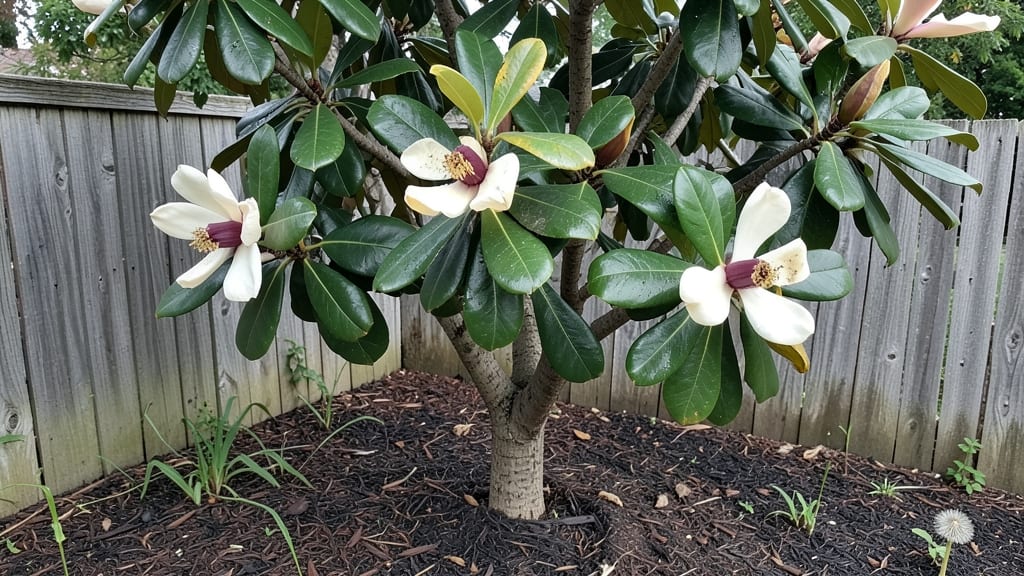
Growing a black magnolia flower 🌸 transforms your yard into a dramatic, fragrant masterpiece that demands little from you in return.
Picture this: a 6-foot-tall tree bursting with deep purple blooms in spring, its glossy leaves repelling pests like a natural fortress. Unlike fussy garden divas, this magnolia thrives in USDA Zone 6a with minimal fuss—just the right soil and a little patience.
Whether you’re planting in March-April or troubleshooting why your tree isn’t flowering, this guide covers everything from sunlight secrets to pest-proofing tricks. No green thumb required—just follow the steps to unlock years of bold, low-maintenance beauty.
Ready to ditch the high-maintenance plants? Let’s turn your yard into a black magnolia showstopper with easy-care tips that actually work.
Black magnolia flower care guide: soil, sunlight, and watering secrets for healthy growth
The black magnolia flower (often Magnolia grandiflora 'Black Tulip') is a dramatic addition to any landscape, but its success depends on replicating its native growing conditions. Unlike traditional magnolias, this cultivar thrives with slightly different care requirements to maintain its deep, velvety blooms and glossy leaves.
Understanding its soil preferences, sunlight needs, and watering schedule is key to avoiding common pitfalls like yellowing leaves or stunted growth.
One of the most critical factors is soil drainage. Black magnolias despise soggy roots, which can lead to root rot—a silent killer for these slow-growing trees. The ideal growing environment mimics its natural habitat in the southeastern U.S., where well-draining, slightly acidic soil is the norm.
Pair this with the right sunlight exposure and watering routine, and you’ll set your magnolia up for decades of lush foliage and striking blooms.
| Growing Condition | Requirement | Specification |
|---|---|---|
| Soil Type | Well-Draining | Loamy, slightly acidic (pH 5.5-6.5) |
| Sunlight | Partial Shade | 3-6 hours morning sun, afternoon shade |
| Watering | Consistent Moisture | 1-2 gallons weekly; deep soak |
| Fertilization | Balanced Feed | 10-10-10 NPK, early spring only |
| Mature Size | Standard | 20-30 feet tall, 15-25 feet wide |
| USDA Zones | Hardy | 6a-10b (ideal for coastal climates) |
Let’s start with soil preparation, which is often overlooked but makes all the difference. Black magnolias prefer loamy soil rich in organic matter, with a pH between 5.5 and 6.5.
If your garden soil is heavy clay or alkaline, amend it with compost or peat moss to improve drainage and acidity. A simple soil test kit (available at garden centers) can confirm your soil’s pH—this small step prevents future struggles with nutrient deficiencies.
For sunlight exposure, think of the black magnolia as a sun-seeker with a shade preference. While it can tolerate full sun in cooler climates, the deep purple-black blooms fade under intense afternoon rays.
Instead, plant it where it receives morning sun (6 AM–12 PM) and afternoon shade (especially in zones 8b and above). This balance protects the leaves from scorching while ensuring enough light for robust growth.
When it comes to watering schedules, consistency is key. Newly planted black magnolias need weekly deep watering (1-2 gallons) to establish roots, while established trees thrive on bi-weekly deep soaks. The goal is to keep the soil evenly moist but never waterlogged.
A good rule of thumb: water in the early morning to reduce evaporation and fungal risks. Mulching around the base with 3-4 inches of organic mulch (like pine straw) helps retain moisture and regulates soil temperature.
Seasonal adjustments are crucial for long-term health. In spring, when new growth emerges, apply a light fertilizer (like 10-10-10 NPK) to encourage blooming. Skip fertilization in summer and fall, as magnolias enter a dormant phase.
During winter, reduce watering to monthly light soaks unless you’re in a frost-prone zone, where extra moisture can stress the roots. Always water at the base of the tree, avoiding the foliage to prevent disease.
One common mistake gardeners make is overwatering, especially in containers. Black magnolias in pots dry out faster and are prone to root rot if not monitored. Use a well-draining potting mix with perlite and water only when the top 1-2 inches of soil feel dry.
For ground-planted trees, check moisture by inserting a finger 3 inches deep—if it’s dry, it’s time to water.
To boost pest resistance and vibrant blooms, incorporate compost tea into your watering routine every 4-6 weeks during growing season. This natural fertilizer adds beneficial microbes and trace minerals without overfeeding.
Additionally, prune dead or crossing branches in late winter to improve airflow and reduce disease risk. Avoid heavy pruning, as magnolias bloom on old wood—focus on shaping rather than cutting back.
If your black magnolia’s leaves start turning yellow, it’s often a sign of overwatering or nutrient deficiency. Adjust your watering schedule and test the soil pH again. For brown leaf edges, the issue is usually underwatering or salt buildup from tap water.
Switch to rainwater or filtered water and flush the soil with extra water to leach out excess salts. With these adjustments, your black magnolia will reward you with bold, velvety blooms for years to come.
Remember, the secret to growing a thriving black magnolia lies in mimicking its natural environment. Pay attention to soil, sunlight, and watering—these three pillars are the foundation of its care. Once established, this majestic tree requires minimal intervention, making it a low-maintenance yet high-impact addition to any garden.
How to protect your black magnolia from pests and diseases naturally
Your black magnolia flower may look striking, but it’s not immune to pests and diseases. Scale insects, powdery mildew, and fungal infections can threaten its health if left unchecked.
The good news? With natural, eco-friendly strategies, you can keep your magnolia thriving without harsh chemicals. Start by monitoring your tree regularly for early signs of trouble.
Prevention is the best defense. Healthy soil and proper watering habits reduce stress, making your magnolia more resilient. Focus on mulching around the base to retain moisture and suppress weeds, which can harbor pests.
A thick layer of organic mulch also improves soil health over time, creating an environment less hospitable to diseases.
Yellowing leaves, sticky residue on branches, or white powdery patches are red flags. Scale insects leave behind a honeydew that attracts ants, while powdery mildew thrives in humid conditions. Act fast—early intervention prevents minor issues from becoming major problems.
For scale insects, a strong spray of neem oil or insecticidal soap works wonders. Mix 1 tablespoon of neem oil with 1 quart of water, add a drop of dish soap as an emulsifier, and spray directly on infested areas.
Repeat every 7-10 days until the pests disappear. This method is safe for your magnolia and the environment.
If you spot powdery mildew, a homemade solution of baking soda and water can save the day. Combine 1 teaspoon of baking soda, 1 quart of water, and a few drops of liquid soap.
Spray the mixture on the affected leaves in the early morning to avoid burning foliage. Ensure good airflow around your magnolia to prevent future outbreaks.
Fungal infections often start with overwatering or poor drainage. Adjust your watering schedule to deep but infrequent sessions, allowing the top 2-3 inches of soil to dry out between waterings. If drainage is poor, consider amending the soil with compost or sand to improve aeration and prevent root rot.
Encourage beneficial insects like ladybugs and lacewings to patrol your garden. Planting companion plants such as marigolds or lavender near your magnolia can attract these natural predators, reducing the need for chemical interventions. A balanced ecosystem keeps pests in check without harming your prized tree.
With these natural strategies, your black magnolia flower will stay vibrant and healthy for years to come. Regular care and proactive measures ensure your garden remains a pest-free paradise. 🪴