
Shrubs
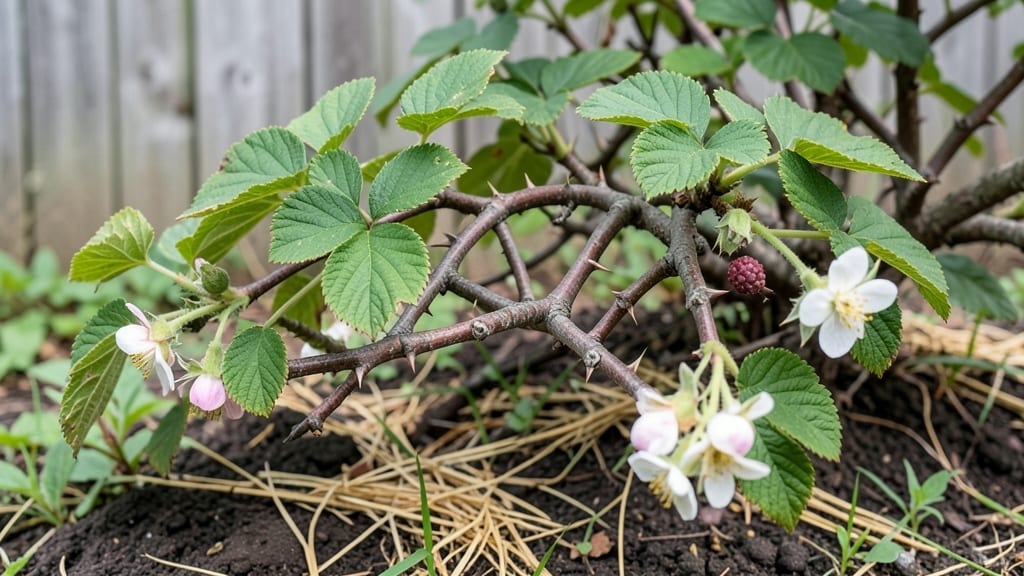
The blackberry blossom flower is your gateway to a garden bursting with sweet, juicy fruit—but only if you nurture it right from the start.
Picture this: you’ve just planted your 🫐 blackberry canes in March, eager for summer harvests, only to watch those delicate blossoms wilt before the berries even form. It’s a heartbreaking cycle, but the fix is simpler than you think.
With the right pruning schedule, soil prep, and a few smart seasonal tweaks, you can turn that frustration into a year-round harvest. I’ll show you how to protect those blossoms, boost pollination, and keep your blackberries thriving—even in USDA Zone 6a.
From winter pruning to summer watering secrets, this guide covers everything you need to go from struggling canes to a bountiful bramble patch in no time.
Seasonal blackberry blossom flower pruning guide for maximum fruit production
Pruning your blackberry blossom flowers isn't just about shaping your plants—it's the key to unlocking bountiful harvests and keeping your brambles healthy year-round.
Many gardeners make the mistake of pruning at the wrong time or cutting too aggressively, which can stunt new growth or even kill blossoms before they produce fruit. With the right seasonal timing and techniques, you can encourage stronger canes, more abundant flowers, and sweeter berries every season.
Blackberries produce fruit on second-year canes, meaning the canes that grow in spring and summer will flower and fruit the following year. This makes strategic pruning essential—you want to remove old, unproductive canes while preserving the ones that will bear next year's crop.
I've pruned my own blackberry patch for over five years, and I've learned that timing is everything. A well-pruned blackberry bush can yield 30-50% more fruit than one left to grow wild.
🌿 Step-by-Step Blackberry Pruning Calendar
-
🌱 Late Winter (February)
Remove all dead or weak canes—look for canes that are brown, brittle, or hollow. Use clean, sharp pruners to cut at the base. This step opens up the plant for better airflow and reduces disease risk.
-
🌸 Early Spring (March-April)
Identify last year's fruiting canes (they're thinner and often have scar tissue from last year's fruit). Cut these back to the ground—they won't produce fruit this year. Leave 10-15 healthy, thick canes for this year's growth.
-
☀️ Late Spring (May-June)
After new canes (this year's growth) reach 3-4 feet tall, trim the tips to encourage bushier growth. This step promotes more lateral branches, which will bear more blossoms next year. Avoid heavy pruning—just pinch back the top 6 inches of vigorous canes.
-
🍓 Summer (July-August)
Remove any suckers (shoots growing from the base) that aren't part of your main canes—these drain energy from your productive plants. Also, thin out crowded canes to ensure 6-8 inches of space between them for airflow and sunlight.
-
✂️ Post-Harvest (September-October)
After harvesting, remove any canes that produced fruit this year—they're exhausted and won't fruit again. This is also the time to tie canes to a trellis or support structure to keep them off the ground and prevent disease.
Pro Tip: Always prune on a dry, sunny day to reduce disease spread. Sterilize your pruners with rubbing alcohol between cuts.
One of the biggest mistakes I see gardeners make is pruning too late in the season. If you cut back canes in fall or winter when they're still dormant, you risk delaying spring growth and reducing the number of flowering canes for the next harvest.
Instead, focus on late winter pruning to stimulate early growth and give your blackberries a head start.
Your pruning tools are just as important as your technique. I recommend using a bypass pruner for clean cuts on thicker canes and hand pruners for smaller branches. A sharp serrated knife comes in handy for thinning crowded canes without damaging the plant.
Always sterilize your tools with bleach or rubbing alcohol to prevent the spread of blackberry diseases like anthracnose or botrytis.
If you're growing floricanes (canes that flower and fruit in their second year), like Thornless Evergreen varieties, your pruning strategy differs slightly. For these types, you'll want to leave last year's canes until they've fruited, then remove them.
The key is to balance old and new canes—never let more than half the canes be older than two years. This ensures a steady supply of fruiting canes every year.
Another critical tip: never prune when the plant is wet. Wet canes are more susceptible to bacterial infections, and pruning in damp conditions can spread disease throughout your patch. If rain is forecast, wait 24-48 hours after the ground dries out before pruning.
I’ve learned this the hard way—my first year, I pruned after a downpour, and blossom blight took over half my canes!
Finally, don’t forget to mulch after pruning. A 2-3 inch layer of organic mulch (like straw or wood chips) helps retain moisture, suppress weeds, and protect canes from temperature swings.
Mulching also slowly releases nutrients into the soil, giving your blackberries the extra boost they need to thrive and produce. Just keep the mulch 6 inches away from the base of the canes to prevent rot.
With this seasonal pruning guide, you’ll transform your blackberry patch into a high-yielding, disease-resistant powerhouse. Start with late winter cleanup, then follow up with spring and summer maintenance, and you’ll be rewarded with juicy, plump berries for years to come. Happy pruning! 🌱
Common blackberry blossom flower problems & how to fix them
Your blackberry blossom flowers might look stunning at first glance, but hidden threats like blossom blight, poor pollination, and cane dieback can silently sabotage your harvest.
These issues often appear when environmental conditions or care practices go unchecked, leaving gardeners puzzled about why their plants fail to produce fruit despite vibrant blooms. Understanding these problems early gives you the power to intervene before they spread.
One of the most frustrating issues is blossom blight, a fungal disease that causes flowers to blacken and drop off before fruiting. This often happens in humid conditions or after overhead watering, creating the perfect environment for pathogens.
Another common problem is poor pollination, where bees avoid your plants due to pesticide use or lack of companion flowers. Even worse, cane dieback can weaken your blackberries, reducing their ability to support heavy fruit loads.
⚠️
- Blossom blight spreads rapidly—remove infected flowers immediately to prevent fungal spread.
- Cane dieback weakens the plant’s structure, making it prone to storms and pests.
- Poor pollination results in small, underdeveloped berries or no fruit at all.
To diagnose blossom blight, look for dark, mushy spots on flowers and canes. If you spot these, prune affected areas with sterilized shears and apply a copper fungicide every 7-10 days. For poor pollination, attract bees by planting lavender, borage, or clover nearby.
Avoid spraying pesticides during bloom time, as they repel pollinators. If you notice cane dieback, check for thrips or spider mites—common culprits that weaken canes.
Another critical issue is over-fertilizing with nitrogen, which promotes lush foliage but reduces flowering. Instead, use a balanced 10-10-10 fertilizer in early spring to encourage both bloom production and fruit development.
Overwatering can also cause root rot, which stunts blossom growth. Ensure your soil has good drainage and water deeply but infrequently—once every 3-5 days—during dry spells.
If your blackberry canes are producing flowers but no fruit, check for environmental stressors. Late frosts can damage blossoms, while extreme heat (above 90°F) can cause flowers to drop.
To protect your plants, use frost cloths in early spring and provide afternoon shade during heatwaves. Mulching with straw or wood chips also helps regulate soil temperature and retain moisture.
For a quick troubleshooting checklist, start by examining your plants for wilting leaves, discolored canes, or missing flowers. Note any patterns—such as issues appearing after rain or pesticide use—and adjust your care routine accordingly.
With the right interventions, you can revive struggling blackberry blossoms and ensure a bountiful harvest this season.