
Shrubs
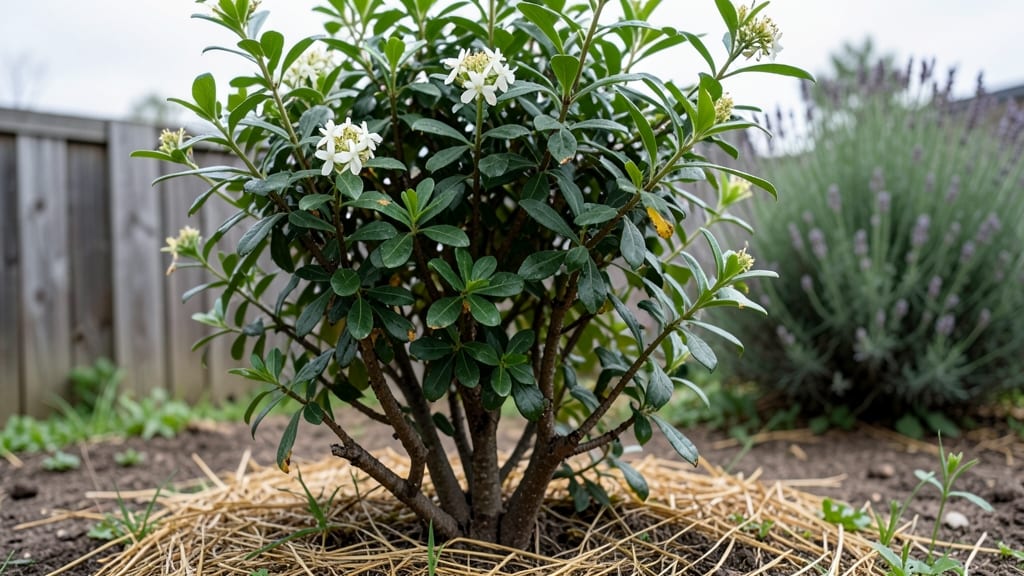
Your common privet flowers could be more abundant than you think—with the right pruning, this 🌿 shrub can burst into fragrant blooms year after year.
If your common privet shrubs are struggling to produce vibrant flowers year after year, the solution might be simpler than you think—proper pruning can transform a lackluster shrub into a blooming star.
Many gardeners overlook this key step, assuming their plants just need time, but timing and technique make all the difference.
In USDA Zone 6a, where spring arrives in March and April, the secret to lush privet blooms lies in understanding when and how to prune.
Whether you're a beginner or an experienced gardener, mastering these three simple steps will help you encourage healthy growth and stunning flowers that attract pollinators.
Discover how to prune for continuous blooms, troubleshoot common issues, and keep your privet thriving—without the guesswork. Let’s get started!
Identifying common privet flower varieties and their pruning needs
Privet shrubs are prized for their fragrant white flowers and dense evergreen foliage, but not all varieties bloom the same way. Understanding your specific privet type is key to encouraging abundant flowers and maintaining its health.
The three most common types—Ligustrum vulgare, Ligustrum sinense, and Ligustrum japonicum—each have unique flowering habits and pruning requirements that can make or break their blooming potential.
If you're struggling with sparse or no flowers, it might be due to incorrect pruning timing or cutting back the wrong branches. For example, Ligustrum vulgare blooms on old wood, meaning last year's growth produces this year's flowers.
Cutting back too aggressively can remove next year's blooms entirely. Meanwhile, Ligustrum sinense and Ligustrum japonicum often bloom on new wood, giving you more flexibility with pruning—but still requiring precision to avoid overgrowth.
Here’s a quick comparison to help you identify your privet and understand its flowering habits and pruning needs:
| Variety | Flowering Habit | Bloom Time | Pruning Time | Key Pruning Notes |
|---|---|---|---|---|
| Ligustrum vulgare (Common Privet) | Old wood bloomer | Late spring to early summer | After flowering (summer/fall) | Never prune in late winter—removes next year’s blooms |
| Ligustrum sinense (Chinese Privet) | New and old wood bloomer | Spring to early summer | Late winter or early spring | Light pruning encourages dense growth and more flowers |
| Ligustrum japonicum (Japanese Privet) | New wood bloomer | Late spring | Winter or early spring | Prune to shape—avoid heavy cuts that reduce flowering |
For Ligustrum vulgare, the golden rule is to prune after flowering. This variety produces its fragrant white blooms on stems that grew the previous year, so cutting back in late winter or early spring risks removing next year’s flowers.
Instead, wait until June or July, after the blooms have faded, to trim back overgrown branches and shape the shrub. You can also do a light pruning in late summer to encourage fresh growth before winter.
On the other hand, Ligustrum sinense and Ligustrum japonicum are more forgiving because they bloom on new growth. This means you can prune in late winter or early spring without worrying about losing next year’s flowers.
However, avoid heavy pruning, as these varieties can become overgrown quickly and may produce fewer blooms if not maintained properly. A light trim in late winter followed by a shaping prune in summer works best for these types.
If your privet isn’t flowering at all, check whether you’ve been pruning at the wrong time or cutting into old wood on varieties that rely on new growth. For example, if you’ve been shearing your Ligustrum vulgare aggressively every spring, it may explain why you’re seeing fewer flowers.
The solution? Stop pruning in late winter and focus on light shaping after blooming.
Another critical factor is sunlight exposure. Privet flowers thrive in full sun to partial shade, but Ligustrum vulgare in particular needs at least 6 hours of direct sunlight daily to produce abundant blooms.
If your shrub is in deep shade, it may struggle to flower no matter how well you prune. Try moving it to a sunnier location or thinning nearby trees to improve light penetration.
Finally, don’t forget that nutrient-rich soil plays a role in flowering. Privet shrubs prefer well-draining, slightly acidic soil with a balanced fertilizer applied in early spring. If your soil is poor or compacted, the plant will focus energy on leaf growth rather than flower production.
Amend the soil with compost or organic matter and apply a 10-10-10 fertilizer in March or April to give your privet the nutrients it needs for vibrant blooms.
With the right variety, pruning strategy, and growing conditions, your privet can become a year-round blooming star in your garden.
Start by identifying your specific type, adjust your pruning schedule, and give it the care it deserves—your efforts will be rewarded with lush foliage and fragrant flowers from spring to summer. 🌿✂️🌸
Step-by-step pruning guide for year-round privet blooms
Pruning your common privet at the right time and with the right technique can double your blooms while keeping your shrub healthy and compact. Many gardeners mistakenly prune too late or too aggressively, which stops new flowers from forming.
The key is timing—spring and summer are your best friends for encouraging continuous blooms throughout the year.
Privet flowers typically appear on new wood, meaning the current year’s growth. If you cut back old wood, you risk losing potential blooms. Instead, focus on shaping and thinning to promote airflow and sunlight penetration.
This simple approach can transform a sparse bloomer into a lush, flowering shrub that thrives year-round.
Seasonal Pruning Timeline for Common Privet Flowers
-
🌱 Early Spring (March-April)
Remove dead or diseased branches first. Then, lightly shape the shrub by cutting back overgrown stems to encourage new growth where flowers will form.
-
☀️ Late Spring to Early Summer (May-June)
Prune spent blooms to stimulate new flowers. Trim 1/3 of the oldest stems at the base to rejuvenate growth and prevent overcrowding.
-
🍂 Early Fall (September-October)
Do a light cleanup—remove weak or crossing branches to improve airflow. Avoid heavy pruning, as this can stimulate tender growth that won’t survive winter.
-
❄️ Winter (November-February)
Skip pruning entirely. Let the shrub rest and recover—this is when it builds energy for next year’s vibrant blooms.
When pruning, always use clean, sharp shears to make smooth cuts just above a leaf node or bud. Cutting at a 45-degree angle helps water run off stems, reducing rot.
If you see yellowing leaves or stunted growth, it’s a sign you’ve pruned too aggressively—scale back next time.
Avoid the temptation to prune for size only. Over-pruning can stress the plant and lead to fewer flowers. Instead, aim for a balanced shape that allows sunlight to reach all parts of the shrub. This encourages even blooming and healthier foliage.
For year-round blooms, consider a light summer trim after the first flush of flowers fades. This tricks the plant into producing new growth and a second round of blooms. Just be sure to avoid heavy cuts—think 10-20% of the plant’s volume at most.
Finally, mulch around the base after pruning to retain moisture and protect roots. A 2-3 inch layer of organic mulch, like wood chips or shredded bark, keeps the soil cool and fertile, giving your privet the best chance to thrive and bloom all season long. 🌿